
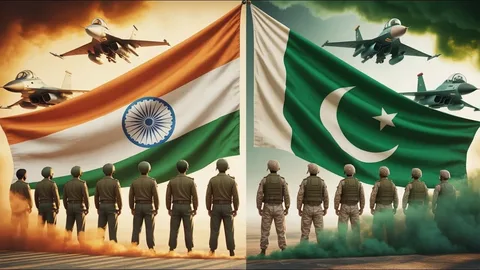
India-Pakistan tensions have once again become a major topic in South Asian politics after renewed discussions about diplomatic strategies and regional influence. Analysts and political observers are debating whether India’s attempts to isolate Pakistan internationally have achieved their intended goals.
The discussion gained momentum after several international developments highlighted Pakistan’s continued diplomatic engagements with regional and global powers. Experts say the evolving political landscape has created fresh questions about long-term regional strategies.
Background of India-Pakistan Relations
India and Pakistan have shared a complicated relationship since their independence in 1947. Political disputes, border tensions, and security concerns have repeatedly affected diplomatic relations between the two neighboring countries.
Over the years, several efforts were made to improve communication between the countries. However, periods of peace were often interrupted by military tensions or political disagreements. The India Pakistan war history continues to shape public opinion and foreign policy decisions on both sides.
Political analysts say both countries remain highly influential in South Asia due to their economic, military, and strategic importance. Regional stability often depends heavily on relations between Islamabad and New Delhi.
Modi’s Foreign Policy Toward Pakistan
Indian Prime Minister Narendra Modi has followed a firm approach toward Pakistan during much of his political leadership. His government focused on increasing diplomatic pressure while strengthening international partnerships.
However, debates around India-Pakistan tensions intensified after some analysts argued that attempts to isolate Pakistan internationally produced mixed results. Pakistan maintained diplomatic ties with several major countries and international organizations despite political pressure.
The topic also revived interest in earlier diplomatic moments, including Modi in Pakistan wedding discussions. In 2015, Narendra Modi made a surprise visit to Pakistan to attend the wedding celebrations of former Pakistani Prime Minister Nawaz Sharif’s family member. The unexpected visit was seen at the time as a positive diplomatic gesture.
Although relations later deteriorated again, that moment remains an important example of direct political engagement between leaders of the two countries.
International Reactions and Diplomatic Shifts
Global powers continue encouraging dialogue between India and Pakistan because of the region’s strategic importance. International organizations and diplomats often call for peaceful communication to reduce tensions.
The role of global leaders, including discussions involving Modi Trump relations during previous United States administrations, also influenced regional diplomacy. Analysts say international political changes frequently affect South Asian strategic dynamics.
Pakistan continued building ties with countries in Asia, the Middle East, and other regions despite diplomatic challenges. Some experts argue this reduced the effectiveness of efforts aimed at limiting Pakistan’s global influence.
Pakistan News coverage also highlighted increasing economic and diplomatic cooperation with several international partners. Observers believe regional alliances are becoming more flexible due to changing global politics.
Security Concerns and Political Narratives
Security concerns remain one of the biggest factors affecting India-Pakistan relations. Issues related to border incidents, terrorism allegations, and military preparedness continue shaping political narratives in both countries.
The phrase Attack on Modi has also appeared frequently in political discussions and online searches connected to security debates and regional tensions. Political analysts say such narratives often influence public opinion during periods of heightened tension.
Both India and Pakistan maintain strong military capabilities, making regional stability extremely important. Experts warn that even limited incidents can quickly increase political pressure and media attention.
The India Pakistan war possibility remains a concern often discussed by defense analysts, although both governments usually emphasize avoiding full-scale military escalation.
Nawaz Sharif and Pakistan’s Political Position
Former Pakistani Prime Minister Nawaz Sharif remains an important figure in discussions surrounding regional diplomacy. His earlier interactions with Indian leadership, including Narendra Modi, are frequently referenced in political analysis.
Supporters of diplomatic engagement often point to Nawaz Sharif’s approach as an example of attempts to improve bilateral communication. Critics, however, argue that lasting peace requires broader structural solutions beyond symbolic political meetings.
Pakistan’s political leadership continues balancing regional security concerns with international diplomacy. Analysts believe economic stability and foreign partnerships remain key priorities for Islamabad.
The mention of Nawaz Sharif in recent discussions also reflects continuing interest in earlier peace-building efforts between the two nations.
Regional and Global Impact
India-Pakistan tensions have global implications because both countries possess significant military power and strategic regional influence. International investors, governments, and organizations closely monitor developments between the two neighbors.
South Asia is considered one of the world’s most strategically important regions due to trade routes, population size, and geopolitical competition. Any rise in tensions can affect economic confidence and regional cooperation.
Diplomatic experts believe stable India-Pakistan relations would improve trade opportunities and economic growth throughout the region. However, long-standing political disputes continue complicating progress.
Global powers often encourage confidence-building measures and diplomatic communication to reduce risks of escalation. International mediation efforts, however, have achieved limited long-term success.
Public Opinion and Media Influence
Public opinion in both countries is heavily influenced by political messaging and media coverage. Television debates, social media discussions, and news analysis often shape perceptions about regional tensions.
Pakistan News platforms frequently highlight diplomatic developments and responses to Indian policies. Similarly, Indian media closely follows statements and political movements in Pakistan.
Analysts believe digital media has increased the speed at which political narratives spread across borders. Online discussions about India-Pakistan issues often become highly emotional and politically charged.
Experts warn that misinformation and exaggerated reporting can increase public anxiety during sensitive periods. Balanced reporting and verified information remain important for regional stability.
Economic and Strategic Considerations
Economic experts argue that prolonged political tensions can affect regional investment and trade opportunities. Improved relations between India and Pakistan could potentially increase economic cooperation across South Asia.
At the same time, both countries continue strengthening international trade partnerships independently. Pakistan has expanded cooperation with several regional allies, while India maintains strong economic relations with Western nations and Asian partners.
The evolving geopolitical environment has also changed how countries approach diplomacy. Instead of relying solely on traditional alliances, nations increasingly focus on economic and strategic flexibility.
Analysts say these changing international dynamics may have reduced the effectiveness of attempts to isolate countries diplomatically.
Future Outlook for India-Pakistan Relations
Political observers believe future India-Pakistan relations will depend on leadership decisions, regional security developments, and international diplomatic pressure. While major breakthroughs remain uncertain, communication channels between the two countries continue at different levels.
Experts also believe economic realities may eventually encourage greater regional cooperation. Trade, climate concerns, and security challenges require coordinated solutions in South Asia.
The possibility of improved diplomatic engagement remains open, although mistrust continues influencing policymaking on both sides. Political analysts expect India-Pakistan tensions to remain an important regional issue in coming years.
For now, debates surrounding Modi’s strategy and Pakistan’s international position continue shaping discussions across political and diplomatic circles.
FAQs
Why did PM Modi go to Pakistan?
Narendra Modi visited Pakistan in 2015 to attend a family wedding event connected to former Pakistani Prime Minister Nawaz Sharif. The visit was considered an unexpected diplomatic gesture.
What is uran Pakistan?
Uran is generally associated with a location name or industrial term in some contexts. It is not officially recognized as a separate national concept linked to Pakistan.
What is the current foreign policy of Pakistan?
Pakistan’s current foreign policy focuses on regional stability, economic cooperation, strategic partnerships, and maintaining relations with major global powers.