
It sounds like something from a medieval castle a moat filled with deadly animals. But in 2026, India’s Border Security Force is seriously exploring exactly that along the India Bangladesh border fencing wildlife frontier, where rivers and marshes have made traditional barriers impossible.
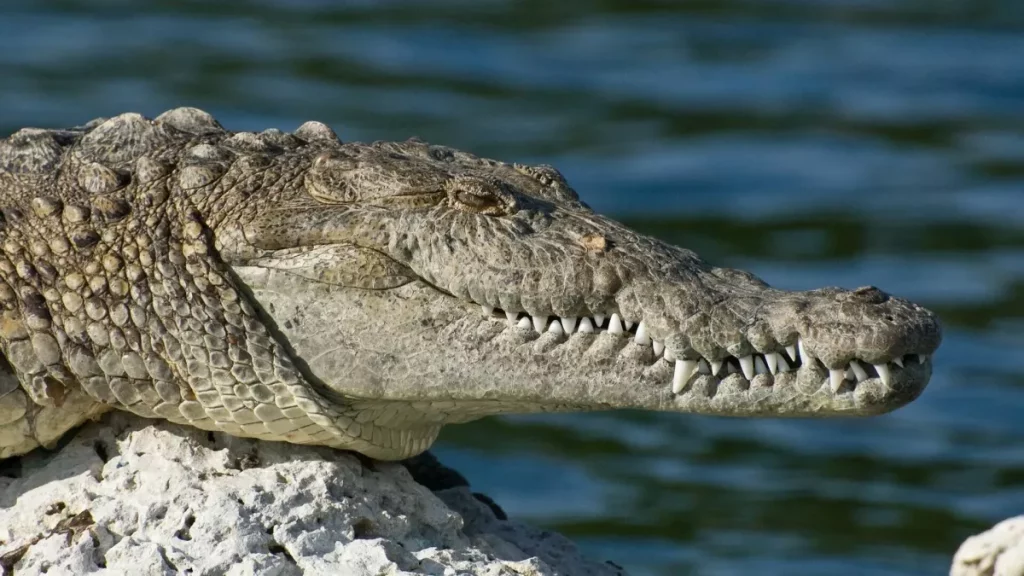
Indian officials have floated a controversial plan to introduce apex predators such as crocodiles and venomous snakes into riverine stretches along the Bangladesh border, to act as natural deterrents against undocumented migration and smuggling in places where erecting fencing is difficult.
The BSF Memo What It Actually Says
An internal BSF communication sent from headquarters to field units along the Bangladesh border directed them to explore “the feasibility of deploying reptiles such as snakes or crocodiles in vulnerable riverine gaps” from an operational perspective. The directive explicitly noted that the use of reptiles is in line with Home Minister Amit Shah’s directions placing the proposal firmly within India’s top political leadership. The memo circulated on March 26, following a meeting in New Delhi on February 9 between BSF commanders and Home Ministry officials. The India Bangladesh border fencing wildlife debate moved from political rhetoric to official planning documents in a matter of weeks.
Why Fencing Has Failed The Geography Problem
India shares a 4,096 km border with Bangladesh one of the longest and most densely populated international frontiers in the world. However, 850 km of this border is yet to be fenced, of which 175 km is considered unsuitable for fencing as it runs through rivers and marshes. Sections of the eastern border are prone to heavy flooding at least once a year. Apart from marshy land, the terrain varies from hills to valleys across Assam, West Bengal, Meghalaya, Tripura and Mizoram making physical fencing impossible in certain stretches. The India Bangladesh border fencing wildlife plan targets precisely these 175 km of riverine gaps where traditional barriers repeatedly wash away or cannot be installed.
Wildlife Experts Say It Won’t Work And Could Kill Locals
India’s leading wildlife scientists have delivered a stark verdict on the plan. Rathin Barman, chief of strategy and liaison at the Wildlife Trust of India, said crocodiles are not native to the riverine stretches along the India-Bangladesh border. A species is found in the Sundarbans in southern West Bengal, and another in the restricted wetlands of Assam far from the border areas. If moved to border regions, they may not survive. “First thing you know, they end up dead soon,” he said. “The same goes for so-called venomous snakes. Barman warned against “any manipulation to the natural distribution range of species,” saying it could disrupt the entire ecosystem chain making the India Bangladesh border fencing wildlife proposal as dangerous for India’s own biodiversity as for border security.
Human Rights Alarm Absurd and Sinister”
The reaction from human rights and civil society has been equally damning. Researcher Angshuman Choudhury said: “This would be hilarious if it weren’t sinister and dangerous. It’s absurd, right? Once you release venomous snakes and crocodiles, they won’t be able to differentiate if it’s a Bangladeshi or Indian. The BSF’s existing shoot-at-sight policy has already been a flashpoint for decades. Incidents such as the killing of 15-year-old Bangladeshi Felani Khatun, who was shot dead by the BSF after getting caught in barbed wire in 2011, triggered tidal waves of anti-India sentiment in Bangladesh. Critics argue the India-Bangladesh relations crisis would deepen dramatically if deadly animals are deployed against people crossing the border.
India-Bangladesh Relations Already Strained
The reptile proposal lands against a backdrop of already difficult India-Bangladesh relations. Relations deteriorated sharply after the ouster of the Awami League government in Bangladesh in August 2024. In the 18 months thereafter, bilateral ties frayed and anti-India sentiment surged. It is only in recent weeks, with a new government taking charge in Dhaka, that the two sides are working to reset relations with Bangladesh’s Foreign Minister visiting Delhi. Last year, Border Guard Bangladesh officials protested against India’s fencing, citing violations of a 1975 pact requiring a 150-yard gap from the zero line. The Bangladesh government summoned India’s high commissioner over concerns the work was being carried out without proper authorisation.
A Global Precedent Trump’s Alligator Moat
India’s plan has an uncanny parallel with the Trump administration’s new detention centre in Florida, dubbed “Alligator Alcatraz” surrounded by the Everglades wetlands, which relies on alligators, crocodiles, and pythons as natural deterrents. Trump also reportedly mentioned in 2018 that he was considering putting alligators or crocodiles in the Rio Grande River to deter southern border crossings, though he later clarified it was intended as a humorous extreme suggestion. There is no modern precedent for deploying natural predators to fence an international border and the India Bangladesh border fencing wildlife proposal represents uncharted legal and ethical territory in border management globally.
Frequently Asked Questions
Is the India-Bangladesh border completely fenced?
No. The India Bangladesh border fencing wildlife challenge stems precisely from the fact that the border is not fully fenced. Of the total 4,096 km border, approximately 3,240 km has been fenced. Around 850 km remains unfenced of which 175 km is considered technically impossible to fence due to rivers, marshlands, and flood-prone terrain. The BSF’s crocodile and snake proposal specifically targets these 175 km of riverine gaps where traditional physical barriers cannot be installed or maintained.
Which border divides India and Bangladesh and how long is it?
The India-Bangladesh border known as the Bengal border runs for 4,096 km across five Indian states: West Bengal, Assam, Meghalaya, Tripura, and Mizoram. It is one of the longest international borders in Asia and among the most densely populated frontier zones in the world. The border follows rivers, plains, hills, and jungles, making it one of the most geographically complex boundaries to manage. Most of the border lies in West Bengal, followed by Assam and Meghalaya. The India Bangladesh border fencing wildlife debate centres on the most challenging stretches in Assam and West Bengal where rivers define the boundary.
Who is responsible for border fencing in India?
The Border Security Force known as the BSF is the primary agency responsible for guarding and managing India’s borders with Bangladesh and Pakistan, including all fencing operations. The BSF operates under the Ministry of Home Affairs, currently led by Home Minister Amit Shah, whose directive to explore the reptile deployment was cited in the internal BSF memo. The Union government approved phased fencing of the Bangladesh border in 2015 to prevent illegal migration and criminal activity. Parliamentary standing committee reports show the government approved fencing of 3,326 km of which approximately 2,954 km has been completed. The remaining unfenced stretches are the focus of the current India Bangladesh border fencing wildlife controversy.