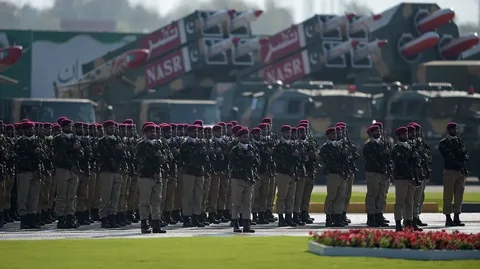


International security remains one of the most discussed subjects in global politics today. It covers military, economic, environmental, and human dimensions of safety among nations. Students, researchers, and policymakers increasingly search for International Security PDF materials, journals, and structured courses to understand this evolving field. This article explains what international security means, how it is studied, and what career paths it offers.
Background
The concept of international security developed after the World Wars, when nations realized that peace could not be maintained through isolated national defense alone. Cooperation between states, shared intelligence, and joint military alliances became necessary tools for stability.
Over decades, the definition expanded. It no longer means only defense against armed attack. Today it includes cyber threats, climate-driven conflict, pandemics, and economic instability. This broader understanding is why the field is taught extensively in universities offering an International Security Master program.
Academic institutions publish extensive research through the International Security journal, which is considered one of the most cited publications in the discipline. Scholars use it to analyze conflict resolution, arms control, and strategic studies.
Details
International security in international relations is generally divided into a few major categories. These include military security, political security, economic security, societal security, and environmental security. Each category interacts with the others, making the subject complex and interdisciplinary.
Students pursuing this subject usually begin with foundational International Security notes covering theories such as realism, liberalism, and constructivism. These theories help explain why states behave the way they do when facing external threats.
Universities also provide International Security ppt materials for classroom teaching, along with case studies drawn from real conflicts and diplomatic negotiations. Many programs require students to study a recommended International Security book list authored by leading scholars in strategic studies and defense policy.
Beyond the classroom, the field has strong professional relevance. Many governments, international organizations, and think tanks regularly hire analysts. This growing demand has increased interest in International Security jobs across intelligence agencies, defense ministries, and non-governmental organizations working on conflict prevention.
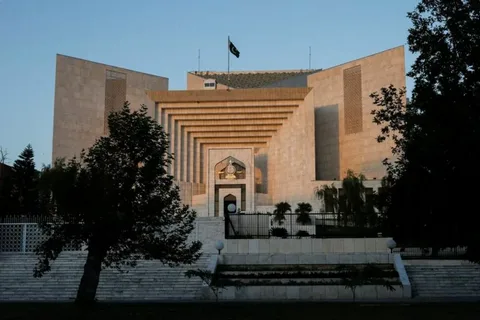
Regional dynamics also play a major role in shaping global security discussions. South Asian security debates, for instance, are closely tied to counterterrorism cooperation and diplomatic positioning among major powers, a topic frequently covered in regional news coverage on international relations, including recent commentary regarding counterterrorism strategy discussions at the United Nations.
Quotes
According to security scholars, the field has shifted from a narrow military focus toward a broader, human-centered approach. Analysts studying strategic affairs note that modern security threats rarely respect national borders, which is why cooperative frameworks between states have become essential rather than optional.
Policy researchers working on defense studies often emphasize that education and awareness are equally important as military capability. They argue that a well-informed policy community, built through strong academic programs, ultimately strengthens a nation’s long-term stability more than short-term defense spending alone.
Impact
The impact of international security studies extends across both global and regional levels. Globally, it shapes how alliances form, how treaties are negotiated, and how international institutions respond to crises. Regionally, it influences bilateral relations, trade agreements, and border security cooperation between neighboring countries.
For students and professionals, the growing academic and professional infrastructure around this subject means better access to structured learning. Universities offering an International Security Master degree report steady enrollment growth, reflecting rising global interest in strategic studies as a career path.
The expansion of digital threats has also reshaped the field. Cybersecurity is now treated as a core component of national defense strategy, sitting alongside traditional military planning. This shift has created new categories of International Security jobs focused specifically on digital infrastructure protection.
Conclusion
International security continues to evolve as global challenges become more interconnected. From traditional military defense to modern cyber and environmental threats, the field demands continuous research, updated academic material, and skilled professionals. As more institutions publish accessible International Security PDF resources and expand postgraduate programs, the discipline is expected to attract even greater academic and professional interest in the coming years.
Frequently Asked Questions
What are the 7 types of human security?
Human security is generally divided into seven categories as outlined by the United Nations Development Programme. These are economic security, food security, health security, environmental security, personal security, community security, and political security. Each category addresses a different aspect of an individual’s safety and well-being, moving beyond traditional state-centered defense to focus on the protection of people themselves. Together, these categories form the foundation of modern human security frameworks used in international policy discussions and academic research.
What is the international security system?
The international security system refers to the collective arrangements, institutions, treaties, and alliances that states use to maintain peace and manage conflict at a global level. This system includes organizations such as the United Nations, regional defense alliances, arms control agreements, and diplomatic frameworks designed to prevent large-scale conflict. It also involves intelligence sharing, peacekeeping operations, and coordinated responses to emerging threats such as terrorism, cyberattacks, and transnational crime. The system is not a single fixed structure but an evolving network of cooperation among nations.
What is a degree in international security?
A degree in international security is an academic program, often offered at the postgraduate level, that trains students to analyze global threats, conflict resolution strategies, defense policy, and diplomatic negotiation. Coursework typically includes strategic studies, international relations theory, regional security case studies, and research methods. Graduates often pursue careers in government agencies, defense ministries, international organizations, research think tanks, or academic institutions, applying their training to real-world policy and security challenges.