
The Iran war ceasefire extended announcement came just one day before the truce was set to expire. Trump made the call — but the Iran war blockade stays in place, Iran refuses to negotiate under pressure, and the path to peace remains completely unclear.
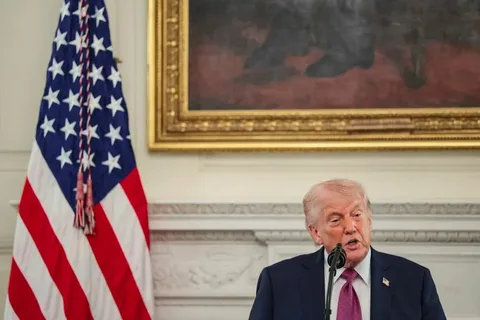
Trump announced an extension to the Iran war ceasefire, continuing to blockade Iranian ports until Tehran submits a proposal for talks and “discussions are concluded, one way or the other. Iran’s Foreign Minister shot back immediately, calling the blockade an act of war.

Why Trump Extended the Ceasefire
Trump said the extension was necessary because Iran’s government is “seriously fractured,” making it impossible for Tehran to submit a unified proposal. He said the ceasefire would continue “until such time as” Iran’s leaders come up with a single agreed position to end the war with the US and Israel. The announcement came after Pakistan’s Prime Minister Shehbaz Sharif worked intensively to convince both sides to agree to a second round of talks — and after Vice President JD Vance’s planned trip to Islamabad was put on hold as Iran refused to confirm participation.
No End Date — A Problem in Itself
The Iran war ceasefire extended announcement has no new deadline attached — and that creates its own risks. US officials had privately warned Trump that an open-ended extension removes pressure on Iran and could allow Tehran to drag out negotiations indefinitely.Iran’s parliamentary speaker Mohammad Bagher Ghalibaf warned that his side has “prepared to reveal new cards on the battlefield” — suggesting Tehran is not simply waiting but actively preparing leverage for the next phase. The US-Iran ceasefire end date is now effectively unknown.
Iran’s Response — Defiance, Not Agreement
Tehran has not formally welcomed the extension. An Iranian senior adviser said the ceasefire extension “means nothing” and that Tehran should respond militarily. Iran’s UN envoy took a more measured tone, saying he believes talks will happen — but only once the US ends its naval blockade. Foreign Minister Abbas Araghchi was direct: “blockading Iranian ports is an act of war and thus a violation of the ceasefire,” adding that Tehran knows “how to resist bullying. This is the central contradiction keeping the Iran war ceasefire extended situation so fragile.
The Iran War Blockade — Still the Core Standoff
The Iran war blockade is the single biggest obstacle to any deal. The US Treasury Secretary warned that due to the ongoing blockade, Iran’s Kharg Island oil storage is filling up and its oil wells risk being shut down entirely, describing the measure as “maximum pressure” targeting Tehran’s primary revenue sources. Trump originally agreed to the ceasefire on the condition that the Strait of Hormuz be fully reopened, but traffic through the passage remained at a trickle — after which he ordered the naval blockade of Iranian ports near the strait. Iran insists it cannot reopen the strait while its own ports are blockaded — and so both sides are locked.
US-Iran War — Who Is Winning?
The US-Iran war who is winning question has no clean answer. The United States and Israel have devastated Iran’s military leadership and infrastructure — Israel has killed over 250 Iranian leaders including the Supreme Leader, and the US claims to have sunk over 90 percent of Iran’s navy. Iran’s missile attacks fell by 90 percent within the first week due to US and Israeli strikes. But Iran has fought back effectively on a different front. By closing the Strait of Hormuz and attacking US allies in the Gulf, Iran has imposed enormous economic costs globally — and some analysts argue that Iran’s survival itself constitutes a form of strategic victory against far superior military forces.
The Human Cost So Far
The numbers behind this conflict are severe. At least 3,375 people have been killed in Iran since February 28, including children and civilians. More than 26,500 have been wounded. In Lebanon, at least 2,294 people have been killed in Israeli strikes. Thirteen US service members have been killed in combat across the region. As of early April, over 6,620 Iranian military personnel had been killed, and more than 307 health and medical facilities across Iran had been damaged or destroyed. These figures continue to rise while the Iran war ceasefire extended period holds.
Pakistan Still in the Middle
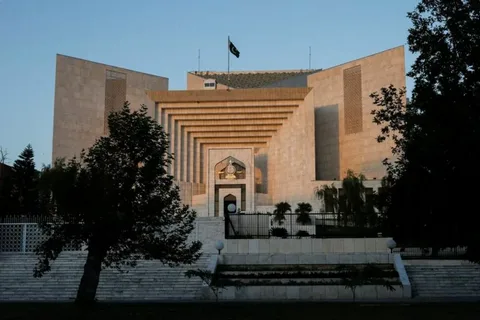
Pakistan remains the only country both sides appear willing to use as a venue. Pakistan’s Information Minister confirmed that a “formal response from the Iranian side about confirmation of delegation to attend Islamabad Peace Talks is still awaited,” adding that Pakistan as mediator remains “in constant touch with Iranians and pursuing the path of diplomacy and dialogue. Iran’s UN envoy was more specific: he said he believes the next round of negotiations will be held in Islamabad “as soon as Washington ends the naval blockade.” That single condition — ending the Iran war blockade — remains the gateway to any resumed talks.
What Comes Next
Analysts say a diplomatic roadmap, rather than a permanent settlement, is the most realistic outcome of any resumed Islamabad talks. The Iran nuclear deal in 2015 took more than two years of negotiation before a preliminary framework was reached — expecting a full peace deal from a single round of talks is considered unrealistic by most experts. With US-Iran war ceasefire news changing by the hour and Iran still refusing to confirm its delegation, the next 48 hours will be decisive. Either a second round of talks begins in Islamabad — or the Iran war ceasefire extended status collapses and the conflict resumes.
Frequently Asked Questions
Iran ceasefire end date — is there a new one?
No. Trump removed the hard Wednesday deadline and extended the Iran war ceasefire with no specific end date. It will continue until Iran submits a “unified proposal” to end the war — making the US-Iran ceasefire end date effectively open-ended until Tehran responds.
Iran war ceasefire news — has Iran officially agreed to the extension?
Iran has not formally confirmed or rejected the extension. Officials signalled guarded openness to talks but said the naval blockade must end first. One senior Iranian adviser called the extension “meaningless,” while Iran’s UN envoy said negotiations in Islamabad could resume once the blockade is lifted.
US-Iran war who is winning right now?
Militarily, the US and Israel have severely degraded Iran’s armed forces, killing over 250 leaders and sinking most of Iran’s navy. But Iran is imposing significant economic damage through its control of the Strait of Hormuz. Most analysts say neither side has achieved its core objectives — making the outcome of this war still genuinely contested.