
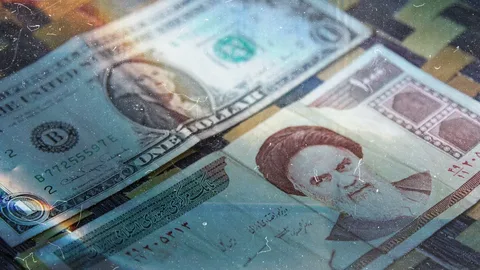
Iraq business news today centers on the Central Bank of Iraq, which has tightened rules on cash dollar withdrawals for travelers while easing them for exporters and government contractors. The move comes as Prime Minister Al-Zaidi leads a high-level delegation to Washington to push forward new investment and energy deals.
Background
The Central Bank of Iraq has spent much of 2026 tightening its grip on how physical US dollars move through the country. Years of dollar shortages, currency speculation, and pressure from Washington over sanctions compliance have pushed the bank toward a series of reforms aimed at shifting the country away from cash-based transactions.
The Central Bank of Iraq news today reflects a consistent theme running through this year’s circulars: reducing the amount of physical currency in circulation while nudging citizens and businesses toward digital payments and formal banking channels. This is not a new goal for the bank, but 2026 has brought some of its most direct steps yet.
At the same time, Iraq news today 2026 has been dominated by a parallel story: Baghdad’s effort to deepen economic ties with the United States, including new energy contracts and investment pledges that officials say could reshape Iraq’s economy over the coming decades.
Details
On July 8, the Central Bank of Iraq officially reduced the monthly cash dollar allowance for outbound travelers from $3,000 to a maximum of $2,000 per adult passenger. Central bank officials described the change as an organizational measure meant to optimize the country’s foreign exchange reserves and curb cash-based currency arbitrage.
Just a week later, on July 15, the bank issued a separate directive easing restrictions in a different area. Under the new rules, banks are now permitted to deliver incoming dollar remittances to customers in cash under two specific conditions: government contracts financed by grants or loans that require cash disbursement, and payments equal to 40% of incoming remittances owed to Iraqi exporters for goods sold abroad.
That circular also suspended an earlier restriction dating back to December 2023, signaling a partial loosening of policy even as the bank tightens rules elsewhere. In Central Bank of Iraq news today live coverage this week, officials have framed both moves as complementary parts of the same broader reform push, rather than contradictory policies.
Alongside the monetary policy shifts, Iraq business news live coverage has focused heavily on Prime Minister Mohammed Shia Al-Zaidi’s visit to Washington, which he said would center on transforming the Iraq-US relationship “from crisis management to creating opportunities.” The visit follows Iraq’s signing of a development deal for the Hamrin oil field with a US energy firm, and reports suggest a broader Energy and Development Fund arrangement is under discussion, with financing expected to unfold over a period of decades.
Official statements circulated through the Iraqi news agency and published in the Iraq news Gazette today have confirmed the broad outlines of the Washington trip, though full financial terms of any long-term fund have not yet been finalized publicly.
Quotes
Central bank officials described the dollar allowance reduction as a purely organizational step, stating that the change is designed to “systematically optimize national foreign exchange reserves” and “firmly realign the domestic financial sector with global banking benchmarks.”
Prime Minister Al-Zaidi, speaking ahead of his Washington visit, said he intended to present concrete proposals rather than broad principles, telling reporters he would offer “practical ways to transfer the relationship between Iraq and America from crisis management to creating opportunities.”
A statement accompanying the July 15 remittance directive noted that the Central Bank of Iraq “will continue to meet the private banks’ requests for cash withdrawals in dollars for incoming remittances,” provided the funds are deposited into the bank’s correspondent accounts abroad under the specified conditions.
Impact
For ordinary Iraqis, the reduced travel dollar limit is likely to be the most immediately felt change. Travelers accustomed to withdrawing up to $3,000 in cash before international trips will now need to rely more heavily on digital payment cards, a shift the central bank has openly said it wants to encourage.
For exporters and companies working on government-financed contracts, the July 15 easing offers some relief, allowing continued access to cash dollar payments in specific, clearly defined circumstances rather than a blanket restriction. This distinction matters for businesses that depend on predictable access to foreign currency to manage international trade.
On the diplomatic and investment front, the Washington visit and the Hamrin oil field deal point to a broader effort by Baghdad to attract long-term American investment into Iraq’s energy sector. If the reported Energy and Development Fund materializes as described, it would represent one of the largest bilateral economic commitments in Iraq’s recent history, though the scale of the figures involved means the agreement will likely face scrutiny as details become public.
Regionally, Iraq’s efforts to formalize its banking sector and reduce cash dependency also tie into broader pressure from Washington regarding sanctions compliance and money-laundering controls, an issue that has shadowed Iraq’s banking relationships with the US for several years.
Conclusion
With both monetary reforms and international investment talks moving forward simultaneously, the coming weeks are likely to bring further announcements. Analysts following Iraq business news today expect additional central bank circulars refining the rules around digital payments, alongside further details from Washington on the scope of any new energy and investment financing.
For now, the message from Baghdad is consistent: tighter controls on cash dollars at home, paired with a more assertive push to lock in long-term investment commitments abroad. How both efforts play out will shape Iraq’s economic trajectory well beyond this year.
Frequently Asked Questions
Which business is best in Iraq?
Iraq’s economy remains heavily anchored in oil and gas, which continues to be the most dominant and profitable sector for both state-owned enterprises and international partners operating under production-sharing or development agreements. Beyond energy, construction and real estate have grown steadily due to ongoing reconstruction needs following years of conflict, while sectors like telecommunications, agriculture, and consumer retail are increasingly attractive to investors as the country works to diversify its economy. Financial services and digital payments are also emerging as promising areas, particularly as the Central Bank of Iraq pushes reforms that encourage a shift away from cash-based transactions toward formal banking and electronic payment systems.
Is Iraq open for business?
Iraq has taken visible steps in recent years to open its economy to foreign investment, including new energy contracts with international firms, banking sector reforms aimed at improving transparency, and high-level diplomatic visits focused specifically on attracting long-term investment partnerships. That said, businesses considering Iraq still need to navigate a complex regulatory environment, security considerations in certain regions, and banking restrictions tied to currency controls and international sanctions compliance. Recent central bank directives easing rules for exporters and government contractors suggest officials are trying to make the environment more predictable for businesses that depend on stable access to foreign currency.
What is Iraq’s biggest source of income?
Oil exports overwhelmingly dominate Iraq’s national income, accounting for the vast majority of government revenue and the country’s export earnings. Iraq is one of OPEC’s largest producers, and fluctuations in global oil prices directly affect the government’s budget, currency reserves, and ability to fund public services. While officials have repeatedly emphasized the need to diversify the economy through investment in agriculture, manufacturing, and other sectors, oil remains by far the most significant driver of Iraq’s public finances and its broader economic relationship with international partners, including the energy deals currently being negotiated with the United States.