The Islamic Revolutionary Guard Corps has claimed a fresh wave of strikes against United States military facilities across the Persian Gulf region. The attacks come as tensions between Washington and Tehran continue to spiral despite an earlier ceasefire agreement. Iranian state media reported the strikes targeted several key American installations in Bahrain and Kuwait.
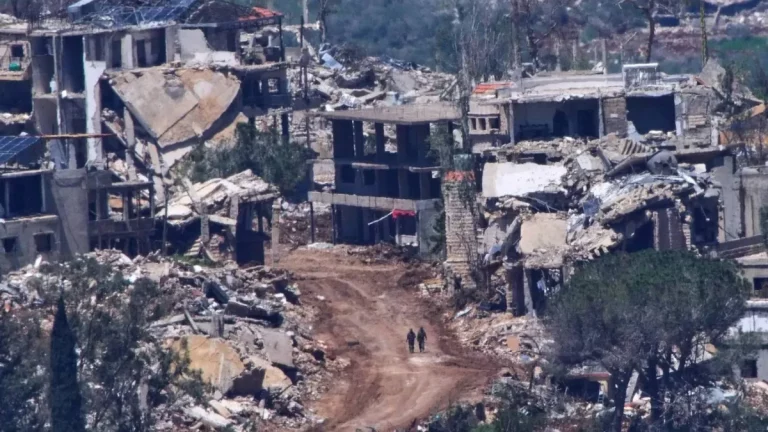
The renewed escalation marks one of the most serious developments in the ongoing conflict that began earlier this year. According to Iranian officials, the Islamic Revolutionary Guard Corps inflicted significant damage on facilities linked to the US Fifth Fleet headquarters. The situation has raised fresh concerns about regional stability and global oil markets.
Background of the Conflict
The current round of hostilities traces back to a memorandum of understanding signed between the United States and Iran in June 2026. That agreement had extended an earlier ceasefire following months of direct military confrontation. However, disputes over shipping routes through the Strait of Hormuz reignited tensions within weeks of the deal being signed.
Iran’s closure of the strategic waterway followed Oman’s announcement of a new shipping transit corridor through the strait. The Islamic Revolutionary Guard Corps had previously warned commercial vessels that only Tehran-approved routes would be considered acceptable under the terms of the memorandum. This disagreement quickly became the trigger point for renewed military action.
Roughly one-fifth of global oil and gas shipments passed through the Strait of Hormuz daily before the war began. Any disruption to this route carries major consequences for international energy markets. Oil prices climbed sharply as news of the latest escalation spread across global trading floors.
Details of the Latest Strikes
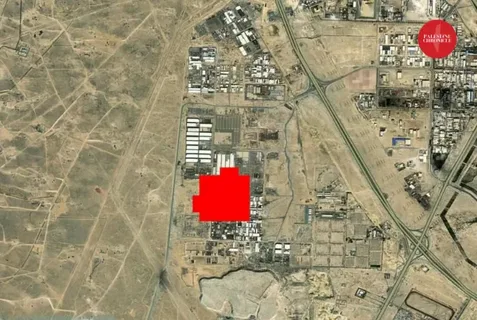
The Islamic Revolutionary Guard Corps claimed it inflicted heavy damage on the US Fifth Fleet headquarters, support facilities and fuel storage tanks located in Bahrain. It also reported striking a major American military logistics hub at Mina Abdullah in Kuwait. According to the group’s statements, several aircraft shelters housing US fighter jets were destroyed in the operation.
Iranian sources further claimed that MQ-9 drone assets were destroyed during the same wave of attacks. Jordan’s military confirmed it intercepted and shot down three ballistic missiles that entered its airspace during the overnight strikes. These interceptions prevented what could have been more extensive damage across the region.
The United States, for its part, said it had struck military targets along Iran’s southern coast and near the Strait of Hormuz. Washington described these actions as necessary to protect commercial shipping and regional allies. Both sides continue to dispute the scale and accuracy of each other’s claims regarding damage inflicted.
Statements From Officials
A spokesperson for US Central Command previously stated that Iranian strikes on American bases in the Gulf represented what Tehran calls a lawful act of self-defense, though Washington strongly disputes that characterization. Iran’s Ministry of Foreign Affairs has repeatedly condemned what it describes as violations of the memorandum of understanding by the United States. Defense Secretary Pete Hegseth commented publicly that Iran would continue facing consequences for its actions in the region.
President Trump addressed the deteriorating situation directly, stating that the ceasefire framework was effectively over. He described continued negotiations as unlikely to succeed given the current trajectory of hostilities. Iranian commanders, meanwhile, have insisted that all further strikes are retaliatory responses to what they characterize as unprovoked American aggression.
Understanding the Islamic Revolutionary Guard Corps
To fully grasp the significance of these events, it helps to understand the organization behind them. The Islamic Revolutionary Guard Corps founded in April 1979 was established by Ayatollah Ruhollah Khomeini shortly after the Iranian Revolution. Its original mission was to protect the new Islamic government from any internal or external threats, including the country’s own traditional army.
Since its founding, the Islamic Revolutionary Guard Corps has grown into one of the most powerful institutions in Iran, controlling significant portions of the national economy alongside its military functions. The current Islamic Revolutionary Guard Corps leader is Ahmad Vahidi, who was appointed as commander in March 2026. Under his leadership, the organization has taken an increasingly dominant role in shaping Iran’s wartime decision-making.
The Islamic Revolutionary Guard Corps headquarters operates under the direct authority of Iran’s Supreme Leader, bypassing the traditional chain of command used by Iran’s regular armed forces. This structure allows the organization considerable independence in military planning and execution. Analysts note that this autonomy has only increased since the current conflict began.
Size, Training and Weapons Capabilities
Estimates regarding Islamic Revolutionary Guard Corps size vary between sources, with figures ranging from roughly 125,000 to nearly 200,000 active personnel across its ground, naval and aerospace divisions. The organization also commands the Basij militia, a volunteer paramilitary force that claims the ability to mobilize hundreds of thousands of additional fighters when needed. This scale makes it one of the largest parallel military structures in the Middle East.
Islamic Revolutionary Guard Corps training programs are known for emphasizing ideological loyalty alongside conventional military skills. Recruits undergo instruction that blends religious indoctrination with tactical preparation, distinguishing the organization from Iran’s regular army. This approach has helped maintain strong internal cohesion even during periods of significant political pressure.
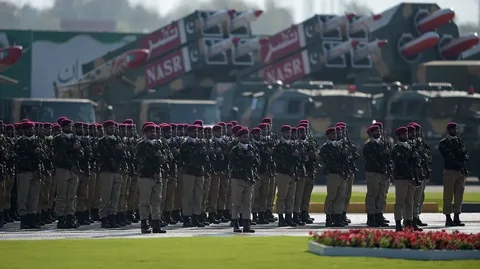
In terms of Islamic Revolutionary Guard Corps weapons capabilities, the organization oversees Iran’s ballistic missile programs and much of its drone arsenal. It has developed a range of missile systems capable of reaching targets throughout the Gulf region and beyond. The group has also been linked to supplying weapons and technology to allied militias across the wider Middle East.
Global and Regional Impact
The renewed strikes have triggered widespread concern among Gulf nations that view themselves as caught between two larger powers. Bahrain, Kuwait, Jordan and Oman have all reported incidents linked to the latest escalation, despite not being direct parties to the conflict. Regional governments have urged calm while simultaneously bolstering their own air defense systems.
International reaction has focused heavily on the humanitarian and economic toll of the ongoing conflict. Oil markets have reacted sharply to each new development, with prices fluctuating based on perceived risks to shipping through the Strait of Hormuz. Several countries, including the United Kingdom and European Union members, have moved to formally designate the Islamic Revolutionary Guard Corps as a terrorist organization in recent months.
Conclusion and Outlook
The situation remains highly volatile, with both Washington and Tehran signaling little immediate appetite for compromise. Diplomatic channels that once seemed promising under the June memorandum of understanding now appear increasingly fragile. Analysts warn that further escalation could draw additional regional actors into direct confrontation.
For now, attention remains fixed on whether renewed talks can be salvaged or whether the conflict will continue expanding across the Gulf. The coming days are expected to bring further developments as both sides assess the strategic and political costs of continued military action.
FAQs
Who was the founder of the Islamic Revolutionary Guard Corps?
The Islamic Revolutionary Guard Corps was founded by Ayatollah Ruhollah Khomeini, the leader of the 1979 Iranian Revolution and the first Supreme Leader of the Islamic Republic of Iran. Khomeini established the organization in April 1979, just months after taking power, specifically to safeguard the revolution from threats posed by the country’s existing military and police forces, which he did not fully trust. Over the following decades, the organization Khomeini created evolved from a street-level militia into one of the most powerful military and economic institutions in the entire country.
Who is Iran’s biggest ally?
Iran has cultivated close strategic and military relationships with several countries over the years, though its ties with Russia and China are generally considered its most significant modern alliances. Russia has provided Iran with military cooperation and diplomatic backing on the global stage, particularly at the United Nations Security Council. China remains one of Iran’s largest oil trading partners and has continued purchasing Iranian crude despite ongoing Western sanctions, making the economic relationship between the two nations especially important to Tehran.
Do Iran have any fighter jets?
Yes, Iran maintains a fleet of fighter jets, though much of it consists of aging aircraft acquired decades ago, some even before the 1979 revolution. Iran’s air force operates a mix of older American-made jets purchased under the previous government, along with Russian and domestically produced aircraft added in later years. Due to international sanctions limiting access to modern military technology, Iran has increasingly focused on developing missile and drone capabilities through the Islamic Revolutionary Guard Corps rather than relying solely on its air force.