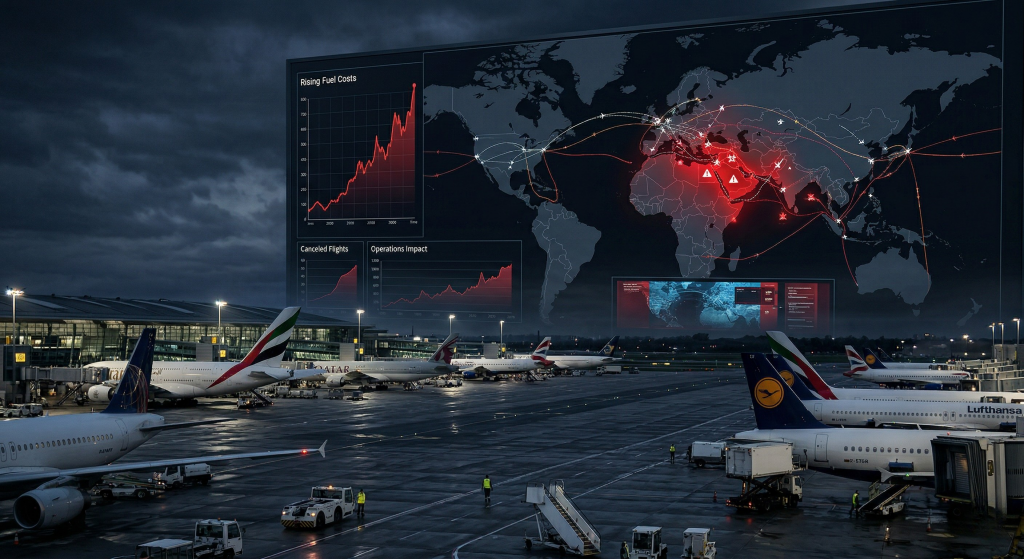

Korean Air Enters Emergency Mode as Jet Fuel Prices Soar
Korean Air has moved into emergency management mode as global fuel prices continue to surge בעקבות the ongoing US-Israel war on Iran.
The airline announced internal cost-cutting measures to maintain financial stability amid rising operational expenses and global economic uncertainty.
Rising Fuel Prices Hit Aviation Industry
The aviation sector is under intense pressure as oil prices have surged sharply.
Crude oil has increased by over 50% since the conflict began, while jet fuel prices have more than doubled. According to recent Oil price trends analysis, this surge is directly impacting airline profitability worldwide.
Korean Air Implements Cost-Cutting Measures
Korean Air confirmed that it will reduce internal costs, delay investments, and optimise operations.
The airline aims to strengthen its financial structure rather than treat this as a short-term response.
This development is part of the broader Global economic impact of Middle East conflict, affecting industries far beyond energy markets.
Asian Airlines Face “Double Shock”
Experts say Asian airlines are dealing with a double crisis:
- Rising global oil prices
- Regional jet fuel shortages
This combination has forced multiple airlines to take emergency actions, similar to those seen during the Covid-19 pandemic.
South Korea’s Heavy Dependence on Oil Imports
South Korea is particularly vulnerable due to its reliance on Middle Eastern oil supplies.
Several airlines including Asiana Airlines and Busan Air have also entered emergency mode to deal with rising fuel costs.
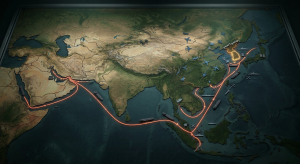
China and Hong Kong Airlines Raise Prices
China, the world’s largest oil importer, is also feeling the impact.
Airlines like China Eastern have warned that geopolitical tensions could affect performance. Many carriers have already increased fuel surcharges.
Cathay Pacific in Hong Kong has also raised ticket prices to offset rising costs.
Japan and India Take Mixed Approach
Japanese airlines like ANA have temporarily avoided raising surcharges, while Japan Airlines is monitoring the situation.
In India, airlines are cutting flights and increasing fares due to high fuel costs and reduced routes.
These developments are continuously covered in our Iran war live updates, as the situation evolves.
Southeast Asia Faces Fuel Shortages
Countries like the Philippines and Vietnam are facing serious fuel supply concerns.
The Philippines has declared a national energy emergency, while Vietnam Airlines has already suspended some flights.
Singapore Airlines has also raised fares as fuel costs now account for nearly 30% of its expenses.
Smaller Airlines Under Greater Pressure
Industry experts warn that smaller airlines are more vulnerable.
Larger airlines can adjust routes and aircraft usage, while smaller carriers may be forced to cut services or reduce operations.
FAQs
Why is Korean Air in emergency mode?
Due to rising jet fuel prices caused by the Iran war and global economic uncertainty.
How are fuel prices affecting airlines?
Airlines are increasing ticket prices, cutting flights, and reducing costs to manage expenses.
Which regions are most affected?
Asia is heavily affected due to dependence on Middle East oil.
Will flight prices increase further?
Yes, fares may continue to rise if fuel prices remain high.