
Pakistan’s pharmaceutical sector has long been shaped by a tension between government price controls and the needs of drug manufacturers. For decades, DRAP maintained a National Essential Medicines List (NEML) with tightly regulated maximum retail prices. However, in February 2024, the caretaker government deregulated prices for non-essential medicines, allowing market forces to determine costs for a broader class of drugs. Critics argue this policy shift, combined with a weakened rupee, rising fuel costs, and higher import expenses, has created the current crisis.
All Medicine Price List: What Has Gone Up
Prices of medicines have increased in the open market and the pharmaceutical hub of Bohor Bazaar in Rawalpindi, with prices rising from 50% to as high as 500%. Below is a summary of reported price changes:
| Medicine | Old Price | New Price | Change |
|---|---|---|---|
| Insulin injection device | Rs 2,200 | Rs 4,720 | +114% |
| Thyroid medicine | Rs 85 | Rs 290 | +241% |
| Indigestion / acidity pack | Rs 530 | Rs 620 | +17% |
| Typhoid treatment course | Rs 805 | Rs 930 | +16% |
| Vitamin B supplement | Rs 500 | Rs 600 | +20% |
| Nutritional vitamin pack | Rs 480 | Rs 510 | +6% |
| Piles cream (Tronolane) | Rs 85 | Rs 290 | +241% |
| BV Dox (antibiotic) | Rs 500 | Rs 600 | +20% |
Prices of commonly used medicines, including antibiotics, painkillers, and drugs for diabetes, blood pressure, stomach issues, ulcers, allergies, skin conditions, and cough, have all gone up substantially.
Zolgensma Price in Pakistan
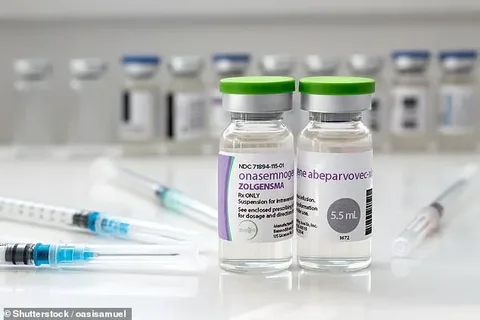
Zolgensma (onasemnogene abeparvovec) is a one-time gene therapy for children under two years with Spinal Muscular Atrophy (SMA). It remains one of the most expensive drugs in the world, with an estimated cost of $2.1 million for a single dose. Its access remains limited to well-resourced settings. Due to its extremely high cost, this potentially curative therapy is not available for purchase in low-middle income countries like Pakistan.
Novartis created a Global Managed Access Program (gMAP) in 2020, providing the therapy free of charge to eligible patients in countries where it had not yet received approval. Nearly 300 children from 40 countries were treated free of charge. However, Novartis closed this program to new patient requests by July 2024.
A case gained attention in Pakistan when a provincial government sponsored USD 1.7 million for the treatment of a patient with SMA. Research shows that two-thirds of patients in Pakistan either passed away awaiting the allocation of drug or became ineligible due to surpassing the required age of 2 years.
Alternative SMA treatments available include Spinraza (nusinersen), given four times a year for life, and Evrysdi (risdiplam), a daily oral medication. Both require lifelong use and are also expensive.
Oxycodone Brands in Pakistan
Oxycodone — sold under brand names such as OxyContin, Roxicodone, Xtampza ER, and Percocet in Western countries — is effectively unavailable through formal pharmaceutical channels in Pakistan. The country’s strict narcotics regulations and cultural stigma around controlled substances have left a significant gap in pain management, especially for cancer patients.
The only readily available opioid options in Pakistan are Tramadol and Codeine, both of which are extremely weak opioids and usually ineffective for cancer pain. Morphine is available, but only at select places in Lahore, and only in injectable form. No oxycodone brand is registered with DRAP for public sale.
A study found that pharmacists were physically present at only 5% of community pharmacies and drug stores in Punjab, with the remaining 95% run by non-qualified persons engaged in illicit sale practices. This regulatory vacuum worsens both legitimate access and misuse of available controlled drugs.
What Officials and Experts Are Saying
“No revision has been approved for essential drugs. Prices of medicines, including insulin and other life-saving drugs, remain unchanged.”— Drug Regulatory Authority of Pakistan (DRAP), March 30, 2026
“Patients with diabetes, thyroid disorders and respiratory conditions are among the hardest hit. Uninterrupted access to medication is essential for managing such illnesses.”— Noor Muhammad Mehr, President, Pakistan Drug Lawyers Forum
“Prices of essential medicines had remained unchanged despite a more than 20 per cent rise in fuel prices. Manufacturers have absorbed cost pressures.”— Pakistan Pharmaceutical Manufacturers Association (PPMA), March 2026
Why Did Pfizer Leave Pakistan?
Pharmaceutical giant Pfizer sold its manufacturing operations in Pakistan to the Lucky Group in May 2024, marking a substantial withdrawal from a market where Pfizer had a longstanding presence.
Eli Lilly, Sanofi, Bayer, and Pfizer all reduced or ended operations between 2022 and 2024, citing unsustainable margins driven by import dependencies, currency volatility, and delayed regulatory approvals.
Despite the closure of its local manufacturing operations, Pfizer will continue its presence in the country through its imported products. Multinational corporations have multiple times expressed their concerns about the price controls and a volatile economic landscape. The pricing policies, which limit the ability of pharmaceutical firms to adjust prices in response to rising costs, have particularly strained profitability, making the market less attractive for international firms.
Impact
Pakistan has approximately 33–34 million adults living with diabetes — the third-largest diabetic population in the world — making the more-than-doubling of insulin device prices particularly severe. The continuous rise in medicine prices could pose serious risks to public health as it is becoming increasingly difficult for chronic patients to continue their treatment, potentially triggering a major health crisis.
The authority said medicine supply in Pakistan remains unaffected by the Middle East conflict, noting that around 85 percent of medicines are manufactured locally. Manufacturers have been directed to adopt contingency measures, including sourcing from multiple regions, to prevent any supply disruptions.
Conclusion
The immediate outlook for Pakistan’s medicine prices depends on political will and regulatory enforcement. DRAP insists essential drug prices are protected under the NEML, but enforcement gaps remain significant. For ultra-expensive therapies like Zolgensma, government-negotiated access programs or public health funding will be necessary. For opioid pain management, meaningful reform requires a regulatory shift that balances misuse prevention with compassionate care access. As multinational pharma companies hand operations to local firms, the long-term quality and pricing of Pakistan’s drug supply will be determined by whether local companies can rise to meet a rapidly growing patient population.
Frequently Asked Questions
Why are things getting more expensive in Pakistan?
Pakistan’s rising costs are driven by rupee depreciation against the US dollar, high fuel and energy prices, and import-dependent supply chains for raw materials. In pharmaceuticals, the February 2024 deregulation of non-essential medicine prices allowed market-driven increases. Currency volatility makes imported active pharmaceutical ingredients more expensive, and those costs are passed on to consumers.
How to get free medicine in Pakistan?
Government hospitals are mandated to provide essential medicines at no cost, though availability is inconsistent. The Sehat Sahulat Programme provides eligible families with health coverage at panel hospitals. Provincial health departments run free medicine schemes for chronic conditions. Shaukat Khanum Memorial Cancer Hospital provides free cancer care including medicines to qualifying patients. Patients can also contact DRAP to explore compassionate use programs for unapproved therapies.
Why did Pfizer leave Pakistan?
Pfizer sold its Karachi manufacturing plant to Lucky Core Industries in May 2024, ending direct local production. The main reasons were government-mandated price ceilings that did not keep pace with rising raw material costs, currency depreciation, and increasing logistics expenses. Pfizer’s imported products still continue to be sold in Pakistan through the Lucky Group. Other multinationals including Eli Lilly, Sanofi, Viatris, and Bayer made similar exits between 2022 and 2024 for the same underlying reasons.