Pakistan blasphemy case Wikipedia searches often relate to the country’s strict laws regarding religious offenses and high-profile legal cases.These laws, mainly under Sections 295A, 295B, and 295C of the Pakistan Penal Code, carry severe punishments including imprisonment and death.The topic remains highly sensitive due to its legal, social, and political implications in Pakistan and beyond.
Background of Blasphemy Law in Pakistan
The blasphemy law in Pakistan is part of the Pakistan Penal Code introduced during British rule and later strengthened in modern legislation.The law criminalizes insults against religion, Prophet Muhammad (PBUH), and holy scriptures.Many people search “what is blasphemy law in Pakistan” or “what is 295A in Pakistan” to understand its legal framework.Section 295A covers deliberate acts intended to outrage religious feelings, while Section 295C deals with insulting Prophet Muhammad (PBUH).Over the years, the law has become one of the most debated legal frameworks in South Asia.
What is Blasphemy Law in Pakistan?
The blasphemy law in Pakistan is a set of legal provisions that punish individuals accused of insulting religion.It includes strict penalties ranging from fines to life imprisonment and, in some cases, death sentence.Critics argue it is sometimes misused, while supporters say it protects religious harmony in society.The discussion around “blasphemy case meaning” often refers to legal cases involving these charges under Pakistan’s criminal law system.
Famous Blasphemy Cases in Pakistan
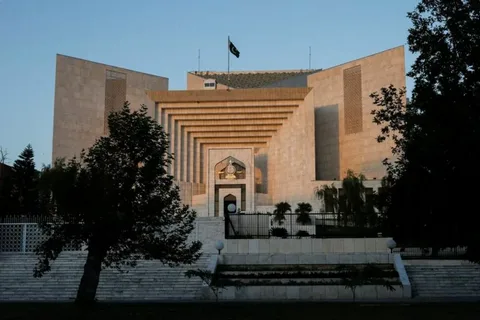
One of the most widely known cases is the Asia Bibi blasphemy case, which gained international attention.She was accused in 2009 and later acquitted by Pakistan’s Supreme Court after years of legal proceedings.Other famous blasphemy cases in Pakistan include incidents involving individuals accused of social media posts or religious remarks.
These cases often lead to public protests, legal debates, and international human rights discussions.The phrase “famous blasphemy cases in Pakistan” is commonly searched due to global media coverage.
Pakistan Blasphemy Case 2021 Developments
In 2021, Pakistan saw multiple blasphemy-related arrests, particularly linked to social media activity.Authorities increased monitoring of digital platforms to control alleged offensive content.
The Pakistan blasphemy case 2021 discussions highlighted growing concerns about online expression and legal boundaries.Human rights organizations raised questions about fair trials and due process in such cases.These developments kept the law at the center of national and international debate.
Blasphemy Law in Pakistan PDF and Legal Understanding
Many users search for “blasphemy law in Pakistan pdf” or “blasphemy law in Pakistan in Urdu pdf” to study legal text.
The official law is part of the Pakistan Penal Code, which can be accessed through government legal documents.It includes Sections 295, 295A, 295B, and 295C, each defining different levels of religious offense.Legal experts emphasize that interpretation of these laws requires careful judicial review.Misinterpretation or misuse of the law remains a major concern among analysts.
What is Section 295 of Pakistan Blasphemy Law?
Section 295 of Pakistan blasphemy law deals with offenses related to religious insult or damage to religious places.
Section 295A specifically punishes deliberate and malicious acts intended to outrage religious feelings.Section 295C is considered the most severe, involving insulting remarks against Prophet Muhammad (PBUH).These sections form the backbone of Pakistan’s blasphemy legislation and are often discussed in legal debates.Understanding these sections is key to analyzing Pakistan’s legal system.
Impact of Blasphemy Laws in Pakistan
The impact of blasphemy laws in Pakistan is both legal and social.Supporters argue that the laws protect religious values and maintain social order in a deeply religious society.Critics, however, claim that false accusations can lead to injustice and social unrest.International organizations have often expressed concern over human rights implications.The debate continues to shape Pakistan’s legal and political environment.
Quotes and Legal Perspective
Legal experts in Pakistan often emphasize that blasphemy cases require strong evidence and fair trial procedures.Some judges have previously stated that misuse of the law can harm both individuals and society.
Human rights advocates argue for reforms to ensure protection against false allegations.At the same time, religious scholars highlight the importance of respecting religious sentiments under Pakistani law.This dual perspective keeps the issue highly complex.
Conclusion
Pakistan blasphemy case Wikipedia-related searches reflect global curiosity about one of the country’s most sensitive laws.The blasphemy law in Pakistan continues to be a powerful legal tool, but also a subject of debate and controversy.Cases like Asia Bibi highlight both legal challenges and international attention.
Future reforms or interpretations of Section 295 may shape how justice is delivered in such cases.For now, the law remains a critical part of Pakistan’s judicial and social framework.
FAQs
What is 295A in Pakistan?
Section 295A of Pakistan Penal Code deals with deliberate and malicious acts intended to outrage religious feelings. It is used in cases where speech or actions are considered offensive to religion. The law aims to prevent hate speech and maintain public order.
What is Section 295 of Pakistan blasphemy law?
Section 295 covers offenses related to damaging or insulting religious places and symbols. It includes different subsections like 295A, 295B, and 295C, each with different levels of punishment. It is one of the most discussed legal provisions in Pakistan.
What is the penalty for blasphemy?
The penalty for blasphemy in Pakistan ranges from imprisonment to death sentence depending on the severity of the offense. Section 295C carries the death penalty or life imprisonment in extreme cases. Courts decide punishment based on evidence and legal procedures.