Pakistan issues three types of passports green, blue, and red each for a different class of traveler. The Pakistan blue passport, officially called the Official Passport, is reserved for government officials and parliamentarians traveling abroad for state business. It comes with a set of privileges that ordinary green passport holders do not enjoy, including streamlined immigration processing and visa-free or visa-on-arrival access to several countries. Here is everything you need to know about the blue passport in Pakistan.
What Is the Blue Passport in Pakistan?
Not everyone in Pakistan carries the same passport. When you look at Pakistani passports, the color tells you a great deal about who is holding it and why they are traveling. The green passport is the standard document issued to ordinary citizens. The blue passport in Pakistan, on the other hand, is a special official travel document issued exclusively to government representatives traveling abroad on official state duties.
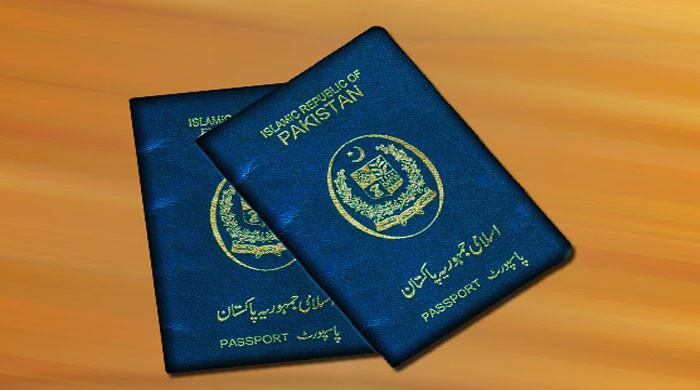
<cite index=”4-1″>The blue passport in Pakistan is officially known as the “Official Passport.” Unlike ordinary green passports issued to citizens, blue passports are reserved for government representatives traveling abroad on official assignments.</cite> It is not available to the general public and cannot be applied for like a regular passport.
<cite index=”7-1″>Pakistan’s blue passport color code indicates that the holder is traveling for official purposes.</cite> This color-coding system allows immigration authorities in other countries to immediately identify the nature and purpose of the traveler’s visit, which often results in faster processing and fewer documentation requirements at ports of entry.
Types of Passport in Pakistan
Understanding the blue passport requires knowing how it fits within the broader system of Pakistani passports. <cite index=”10-1″>The Government of Pakistan offers three distinct types of passports to its citizens: the Ordinary Passport with a green cover, issued to everyday Pakistani citizens; the Official Passport with a blue cover, issued to various government officials including senators and members of the National Assembly; and the Diplomatic Passport with a red cover, issued to diplomats and high-ranking state representatives.</cite>
Each type serves a completely different purpose, and each carries a different level of access and privilege internationally.
Green Passport (Ordinary Passport)
This is the passport most Pakistanis carry. It is issued to any Pakistani national holding a valid Computerized National Identity Card (CNIC). It is used for personal travel, business trips, education, and tourism. <cite index=”6-1″>Pakistani passport holders can now visit 32 countries visa-free, with visa-on-arrival, or via eTA, following Pakistan’s passport ranking of 97th in February 2026 on the Henley Passport Index.</cite>
Blue Passport (Official Passport)
This is issued only to government officials and selected categories of state representatives for official travel. It is the focus of this article and is discussed in detail below.
Red Passport (Diplomatic Passport)
<cite index=”8-1″>The Red Passport is reserved for diplomats, ambassadors, and top-tier state executives.</cite> It offers the highest level of diplomatic privileges internationally and is issued under strict criteria defined by the Ministry of Foreign Affairs.
Who Is Eligible for a Blue Passport in Pakistan?
Eligibility for the Pakistan blue passport is tightly controlled by the government. It is not something you can apply for simply because you want it. <cite index=”13-1″>The blue passport is issued to Pakistani nationals who are Senators, MNAs, Provincial Ministers, Judges of the Supreme Court of Pakistan and High Courts, and Officers serving with the Government.</cite>
<cite index=”11-1″>The passport is regulated by the Ministry of Interior and can only be issued with proper authorization from relevant authorities such as the Speaker of the National Assembly or the Chairman of the Senate.</cite> These passports are processed and issued by the Directorate General of Immigration and Passports (DGI&P) under the supervision of the Ministry of Interior.
In broad terms, the categories eligible for the Pakistan blue passport include:
- Federal government officers serving in Grade 17 and above
- Members of the National Assembly (MNAs) and Senators
- Provincial Ministers and Chief Ministers
- Judges of the Supreme Court, Federal Shariat Court, and High Courts
- Heads of government corporations and autonomous bodies when traveling officially
- Military officers of a specified rank traveling on government duty
- Individuals granted special authorization by relevant government authority
It is worth emphasizing that holding a government position alone does not guarantee a blue passport. The official must be traveling specifically for government-related duties, and the purpose of travel must be clearly documented.
Pakistan Blue Passport Benefits
The reason so many officials seek the blue passport Pakistan is because it comes with a range of tangible privileges that simply are not available to green passport holders. <cite index=”2-1″>Holders of a blue passport enjoy several benefits as they are visiting abroad for official purposes, including Official Travel Privileges recognized as a travel document for government-related work, Special Access such as entry into diplomatic lounges and expedited immigration services in certain countries, Reduced Visa Formalities that allow easier processing for visa applications, and Global Recognition due to the added credibility of its official nature.</cite>
Beyond these practical advantages, the blue passport also signals to foreign governments that the holder is a verified state representative. This often results in greater cooperation from foreign embassies, faster consular services, and in some cases, access to government-level meetings and facilities that would otherwise be unavailable to a private traveler.
Pakistan Blue Passport for Business
For senior officials traveling on government business, the Pakistan blue passport for business purposes is particularly useful. It reduces the bureaucratic friction typically associated with international travel for Pakistani nationals. Where a regular passport holder might wait weeks for a visa approval, an official passport holder often benefits from expedited processing, reduced documentation requirements, and in certain countries, complete visa exemption. This makes it an invaluable tool for government-to-government engagements, trade missions, and official negotiations.
Pakistan Blue Passport Visa Free Countries
One of the most significant Pakistan blue passport benefits is the expanded international access it provides. <cite index=”4-1″>More than 50 countries reportedly offer visa-free or facilitated entry to holders of official Pakistani blue passports.</cite> This is considerably more than the 32 countries accessible to ordinary green passport holders as of early 2026.
<cite index=”8-1″>Pakistani people holding blue passports are given visa-free or visa-on-arrival access to dozens of countries under different bilateral Memorandums of Understanding (MoUs) between Pakistan and foreign governments, which otherwise demand elaborate pre-travel visa applications for green passport holders.</cite>
Some of the countries that provide visa-free or facilitated entry to Pakistan blue passport holders include:
- Turkey — Visa-free access for certain government officials under a bilateral arrangement
- China — Facilitated entry for official travelers on government assignments
- Saudi Arabia — Streamlined processing for official government delegations
- Iran — Reciprocal arrangements for official passport holders
- Various OIC member states — Many members of the Organisation of Islamic Cooperation have bilateral agreements that benefit official passport holders
Pakistan Blue Passport Visa on Arrival
In addition to visa-free access, Pakistan blue passport visa on arrival arrangements are in place with a number of countries. These arrangements typically cover countries with which Pakistan has active diplomatic relations or bilateral MoUs. The exact list of Pakistan blue passport visa on arrival countries is subject to change based on the current state of diplomatic relations, and travelers are always advised to verify the requirements with the relevant embassy before departure.
It is important to note that these visa-free and visa-on-arrival privileges apply specifically when the holder is traveling on official duty. Using a blue passport for personal or private travel may not carry the same benefits and could, in some cases, be a violation of the conditions under which the passport was issued.
Diplomatic Passport Pakistan: A Closer Look
The diplomatic passport Pakistan is the most protected travel document in the country’s passport system. <cite index=”12-1″>The Diplomatic Passport is issued to dignitaries of the State and Diplomats in pursuance of Schedule-IV of Passport Rules 2021.</cite> It is issued by the Ministry of Foreign Affairs and is subject to the strictest controls of any travel document issued by the Government of Pakistan.
Holders of the diplomatic passport Pakistan enjoy full diplomatic protection under international law, meaning they cannot be detained or arrested by the host country’s authorities in most circumstances. This is a privilege that sets the red passport completely apart from both the blue and green passports.
Recent Controversy and New Regulations
The blue passport has not been without controversy in recent years. Reports of misuse by officials who used their official passports for private travel brought the issue into the public spotlight and triggered a legislative response.
<cite index=”8-1″>State Minister for Interior Talal Chaudhry highlighted the issue of misuse of travel documents by top officials of the State in official committee briefings. The primary objective of incoming updates is to maintain uniform privilege tiers across all supreme state entities while protecting international borders, as detailed in the parliamentary registers of the Senate of Pakistan.</cite>
The Senate of Pakistan has taken up legislation aimed at tightening the rules around blue passport issuance and usage. The proposed measures include stricter documentation requirements, mandatory return of the passport upon completion of official duty abroad, and closer monitoring of blue passport holders’ travel patterns. The goal is to ensure that the privileges associated with the official passport are used exclusively for state purposes and not for the personal benefit of officials.
These developments reflect a broader effort by Pakistan’s government to reform its travel document system, improve international credibility, and prevent the misuse of state resources.
Impact of Blue Passport Reforms on Pakistan’s International Standing
The way a country manages its official travel documents says a great deal about its governance standards. Tightening the rules around the Pakistan blue passport is not just an internal administrative matter it has real implications for how Pakistan is perceived by foreign governments and international institutions.
When official passports are used responsibly and exclusively for government business, they function as credible tools of diplomacy and inter-governmental engagement. Misuse, on the other hand, can damage bilateral trust and lead foreign governments to treat Pakistani official passport holders with greater scrutiny, potentially reducing the very benefits these passports are meant to provide.
Pakistan’s ongoing passport reforms signal a positive direction. Cleaner governance around official travel documents can strengthen bilateral relationships, increase the number of countries willing to offer visa-free access to official passport holders, and contribute to Pakistan’s broader diplomatic credibility on the world stage.
How to Apply for a Blue Passport in Pakistan
The application process for a Pakistan blue passport is different from the process for a regular green passport. It is not open to the public and requires official authorization at multiple levels.
<cite index=”7-1″>To obtain a Pakistani blue passport, applicants must fulfill specific requirements: Eligibility as a government official, parliamentarian, or individual approved for official travel; Documents including a No Objection Certificate (NOC) letter or authorization, valid CNIC, and previous passport if applicable; and an Application Process that requires submitting the application at a passport office with relevant documents.</cite>
The process generally involves the following steps:
- The eligible official receives authorization from their relevant ministry, the Speaker of the National Assembly, or the Chairman Senate, depending on their role.
- The authorization letter and supporting documents are submitted to the Directorate General of Immigration and Passports.
- The application is processed and verified by the passport office.
- The blue passport is issued with a validity period tied to the official’s term of service or assignment.
Officials are generally expected to surrender the blue passport upon leaving their official position or upon returning from the assignment for which it was issued. Retaining an official passport after leaving office has been one of the key areas targeted by recent reforms.
Conclusion
The Pakistan blue passport is a significant instrument of government travel, offering its holders streamlined access to dozens of countries and meaningful privileges over ordinary green passport holders. It reflects the official status of its holder and is intended solely for the conduct of state business abroad. Understanding the types of passport in Pakistan green for citizens, blue for officials, red for diplomats helps clarify how the country manages its international travel framework.
With ongoing reforms aimed at reducing misuse and tightening eligibility standards, the blue passport system is expected to become more transparent and more credible in the years ahead. For those eligible, it remains one of the most valuable travel documents the Pakistani government issues. For those who are not, the green passport continues to provide access to a growing number of destinations as Pakistan’s ranking on the Henley Passport Index gradually improves.
Frequently Asked Questions (FAQs)
Who is eligible for a blue passport in Pakistan?
The Pakistan blue passport is issued exclusively to government officials and selected state representatives traveling abroad for official duties. Eligible individuals include Members of the National Assembly (MNAs), Senators, Provincial Ministers, Judges of the Supreme Court and High Courts, federal government officers in Grade 17 and above, and military officers of specified ranks traveling on official assignments. The application must be supported by a formal authorization letter from the relevant authority such as the Speaker of the National Assembly or the Chairman Senate and the passport is issued only for the duration and purpose of the official assignment. Ordinary Pakistani citizens, regardless of their profession or financial status, are not eligible for a blue passport.
Which countries are visa-free on Pakistan blue passport?
Pakistan blue passport holders benefit from visa-free or visa-on-arrival access to more than 50 countries, which is significantly higher than the approximately 32 countries accessible to green passport holders. Countries with facilitated or visa-free entry for official Pakistani passport holders include Turkey, China, Saudi Arabia, Iran, and several OIC member states under bilateral Memorandums of Understanding (MoUs). Additional countries in Africa, Central Asia, and the broader Muslim world also extend streamlined entry to Pakistani official passport holders. The exact list of Pakistan blue passport visa-free countries can change based on the current state of diplomatic relations between Pakistan and any given country, so travelers are always advised to confirm current requirements directly with the relevant embassy before travel.
How to make a blue passport in Pakistan?
Making a blue passport in Pakistan requires official authorization and cannot be done through the regular passport application process. The eligible official must first obtain a No Objection Certificate or authorization letter from their relevant ministry, the Speaker of the National Assembly, or the Chairman Senate. This authorization, along with the applicant’s valid CNIC and any existing passport, must be submitted to the Directorate General of Immigration and Passports (DGI&P). The passport office verifies the documents and the applicant’s eligibility before issuing the official blue passport. There is no general public counter or online portal for blue passport applications the process is handled through official government channels. Upon completion of the assignment or upon leaving the official position, the passport is expected to be returned to the issuing authority.