The Great Pakistan of 1998 and 2026: From Chagai to Strategic Stability
Pakistan’s Nuclear Journey Remembered as a Defining Chapter in National Defense and Sovereignty
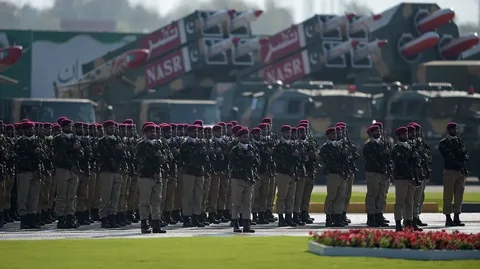
The nuclear tests conducted in the mountains of Chagai on May 28, 1998, marked a historic turning point in Pakistan’s history, transforming the country into the first nuclear power in the Muslim world and redefining its strategic identity on the global stage.
The foundation of Pakistan’s nuclear vision is widely credited to former Prime Minister Zulfikar Ali Bhutto, who initiated the country’s nuclear program after the 1971 separation of East Pakistan. In January 1972, a historic meeting of Pakistani scientists was held in Multan, laying the formal groundwork for the national nuclear program.
India’s nuclear tests in 1974 intensified Pakistan’s determination to develop its own deterrence capability. In 1976, renowned nuclear scientist Dr. Abdul Qadeer Khan returned to Pakistan and began uranium enrichment efforts, playing a central role in advancing the country’s nuclear ambitions.
After decades of research, secrecy, sanctions, and international pressure, Pakistan successfully carried out nuclear tests on May 28, 1998, under the leadership of then Prime Minister Nawaz Sharif. The day later became known as “Youm-e-Takbeer,” symbolizing national pride and strategic independence.
At the time, India had already conducted nuclear tests in Pokhran earlier that month, creating immense pressure on Pakistan to respond despite fears of severe international sanctions and economic isolation.
Political, military, and scientific leadership across successive governments contributed to the success of Pakistan’s nuclear program. Figures including Ghulam Ishaq Khan, General Muhammad Zia-ul-Haq, Agha Shahi, and Dr. Abdul Qadeer Khan played important roles in strengthening the country’s nuclear capability.
The article highlights that General Zia-ul-Haq provided extensive institutional and operational support to Pakistan’s nuclear scientists, while Dr. Abdul Qadeer Khan established critical laboratories and research facilities near Kahuta.
Following the Chagai tests, Pakistan faced immediate international sanctions from the United States, Japan, and several Western countries. Economic pressure intensified as foreign investment declined, financial restrictions increased, and concerns about economic instability emerged.
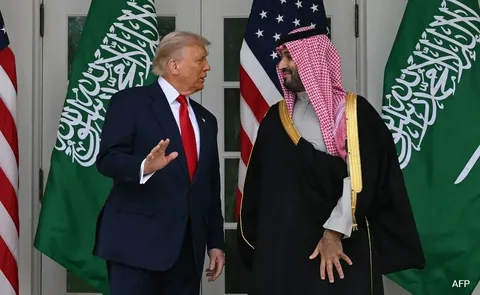
Despite these challenges, Pakistan received diplomatic and economic support from friendly countries, particularly Saudi Arabia and several Muslim nations, which viewed Pakistan’s achievement as a matter of pride for the Islamic world.
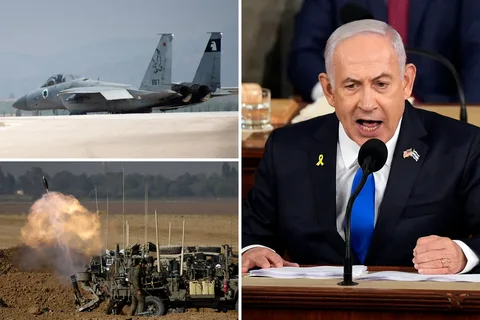
The article also discusses the changing regional security environment, including ongoing tensions with India, the revocation of Jammu and Kashmir’s special status by India in August 2019, and allegations of Indian support for anti-Pakistan separatist activities.
According to the writer, the Pakistan of 2026 differs significantly from the Pakistan of 1998, with improvements in diplomatic positioning, internal security efforts, and economic stabilization initiatives.
The article concludes by emphasizing the need for continued efforts to strengthen the country economically and politically while reducing the hardships faced by ordinary citizens.