
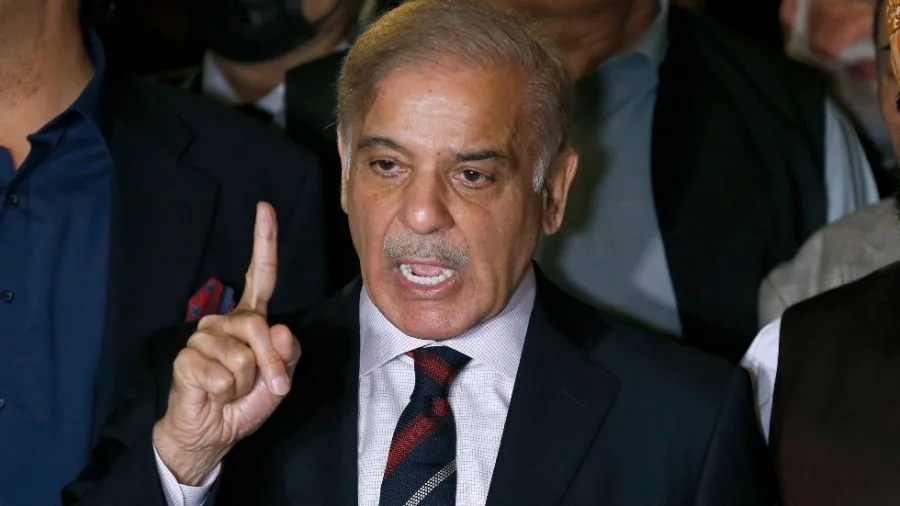
The Pakistan Prime Minister remains the central figure in the country’s executive governance, leading policy decisions, economic reforms, and national development initiatives. In 2026, the federal government continues to face significant challenges, including energy shortages, inflation concerns, infrastructure development, and regional security matters.
Alongside Prime Minister Shehbaz Sharif, the President of Pakistan, federal ministers, and provincial authorities are responsible for implementing policies aimed at improving governance and public services. As citizens increasingly seek information through the Pakistan Government website List and official announcements, transparency and accountability remain major public expectations.
Background
Pakistan’s political system operates under a parliamentary framework where the Pakistan Prime Minister serves as the head of government. The Prime Minister oversees the federal cabinet, coordinates national policy, and represents Pakistan on major international issues.
The President of Pakistan serves as the constitutional head of state and performs duties defined under the Constitution. While executive authority primarily rests with the Prime Minister and cabinet, the presidency remains an important institution in maintaining constitutional continuity.
Following recent political developments and elections, the government has emphasized economic stabilization, infrastructure expansion, and social welfare reforms. Public attention has increasingly focused on leadership performance as Pakistan navigates domestic and international challenges.
Understanding the Role of the Pakistan Prime Minister
The office of the Pakistan Prime Minister carries significant responsibilities. The Prime Minister supervises ministries, directs government policy, and leads federal decision-making processes.
Prime Minister Shehbaz Sharif has repeatedly highlighted the need for economic growth, improved governance, and development projects across the country. Government officials argue that long-term planning is necessary to address structural challenges affecting energy, industry, and public services.
The Prime Minister also represents Pakistan during diplomatic engagements and regional cooperation initiatives. International partnerships remain important for trade, investment, and economic development.
Current Ministers of Pakistan and Federal Cabinet
Many citizens regularly search for information regarding the Current Ministers of Pakistan PDF to understand the composition of the federal cabinet.
The cabinet consists of ministers responsible for critical sectors such as:
Finance
The finance ministry oversees fiscal policy, taxation, budget preparation, and economic planning. It plays a key role in addressing inflation and attracting investment.
Foreign Affairs
The foreign ministry manages diplomatic relations, international cooperation, and foreign policy priorities.
Interior Affairs
The interior ministry handles domestic security, law enforcement coordination, and public safety measures.
Defence
The defence ministry works closely with military institutions on national security matters and strategic planning.
Energy
The energy ministry remains particularly important as Pakistan continues efforts to improve electricity generation and reduce power shortages.
Government departments frequently publish updates through official channels, allowing citizens to track policy decisions and ministerial activities.
President of Pakistan and Constitutional Responsibilities
The President of Pakistan performs constitutional functions that support the democratic system. In discussions regarding the President of Pakistan 2026, attention often focuses on ceremonial duties, legislative approvals, and constitutional oversight.
The president represents national unity and participates in important state functions. While executive powers largely reside with the elected government, the office remains an important symbol of constitutional governance.
Political analysts note that cooperation between the presidency and federal government contributes to institutional stability.
Governance Challenges Facing Pakistan in 2026
Energy Crisis
One of the most pressing concerns remains electricity supply. Several regions continue to experience power outages that affect households, businesses, and industrial productivity.
Government officials acknowledge the need for long-term investment in energy infrastructure. Policymakers are exploring options to improve generation capacity while addressing financial challenges within the energy sector.
Economic Stability
Inflation and rising living costs continue to influence public debate. The federal government has introduced various measures aimed at economic stabilization, though analysts differ on the pace of recovery.
Business groups frequently call for reforms that encourage investment and support local industries.
Regional Development
Development disparities between regions remain an important issue. Provincial governments and federal authorities continue to discuss strategies for improving infrastructure, education, healthcare, and employment opportunities.
Balanced development is increasingly viewed as essential for long-term national progress.
The Role of Provincial Governors
Many citizens search for information about the Governor of Pakistan, although Pakistan actually has separate governors for each province rather than a single national governor.
Provincial governors serve as representatives of the federation within their respective provinces. Their responsibilities include constitutional duties, legislative procedures, and coordination with provincial administrations.
Governors often participate in educational, cultural, and public welfare initiatives while supporting communication between provincial and federal institutions.
Pakistan Government Website List and Digital Governance
The growing importance of digital services has increased public interest in the Pakistan Government website List.
Government websites provide access to:
- Public notifications
- Ministry updates
- Policy documents
- Budget information
- Citizen services
- Development project details
- Employment opportunities
- Official statistics
Digital governance initiatives aim to improve transparency and make public information more accessible to citizens.
Experts argue that stronger digital infrastructure can enhance accountability and reduce administrative delays.
Public Expectations from Leadership
Pakistani citizens continue to express expectations regarding economic opportunities, improved governance, and efficient public services.
Public opinion often focuses on:
- Job creation
- Inflation control
- Reliable electricity supply
- Infrastructure development
- Educational reforms
- Healthcare improvements
- Investment growth
Political observers note that the performance of national leadership will likely be evaluated based on progress in these areas.As the government implements policies and development programs, public scrutiny remains high.
International Relations and Pakistan’s Global Position
Pakistan’s leadership continues to engage with international partners on economic, security, and diplomatic issues.
The Pakistan Prime Minister, foreign ministry officials, and other government representatives regularly participate in international forums to strengthen bilateral and multilateral relationships.
These engagements focus on trade, investment, regional cooperation, climate initiatives, and economic development.
Analysts believe that maintaining constructive international partnerships will remain important for achieving long-term national objectives.
Future Outlook
Looking ahead, Pakistan’s leadership faces both opportunities and challenges. The government aims to strengthen economic performance, modernize infrastructure, and improve public services.
Success will depend on effective policymaking, institutional coordination, and public confidence in governance. The roles of the Pakistan Prime Minister, President of Pakistan, federal ministers, and provincial authorities will continue to shape the country’s development trajectory.
As 2026 progresses, citizens will closely monitor government performance and the implementation of reforms intended to improve living standards and promote sustainable growth.
Conclusion
The Pakistan Prime Minister remains at the center of national governance, supported by federal ministers, constitutional institutions, and provincial administrations. While challenges such as energy shortages, economic pressures, and regional development concerns persist, the government continues to emphasize reform and modernization.
The combined efforts of Shehbaz Sharif, the President of Pakistan, cabinet members, and public institutions will play a significant role in determining Pakistan’s direction in the years ahead. Citizens seeking updates increasingly rely on official government sources, reflecting a growing demand for transparency, accountability, and effective governance.
FAQs
What is the slogan of Pakistan?
Pakistan’s national slogan is commonly expressed as “Faith, Unity, Discipline”. Originally articulated by the country’s founder, it continues to serve as a guiding principle for national development and civic responsibility. The slogan emphasizes strong belief, national cohesion, and disciplined efforts toward progress.
Is Pakistan supporting Israel?
Pakistan does not maintain formal diplomatic relations with Israel and has historically supported the establishment of an independent Palestinian state. The country’s official foreign policy position has consistently emphasized support for Palestinian rights and a peaceful resolution to the Middle East conflict through international law and diplomacy.
What is a short quote about Pakistan?
A popular short quote about Pakistan is: “Pakistan is a land of resilience, diversity, and hope.” The phrase reflects the country’s rich cultural heritage, natural beauty, and the determination of its people to overcome challenges and pursue progress.