
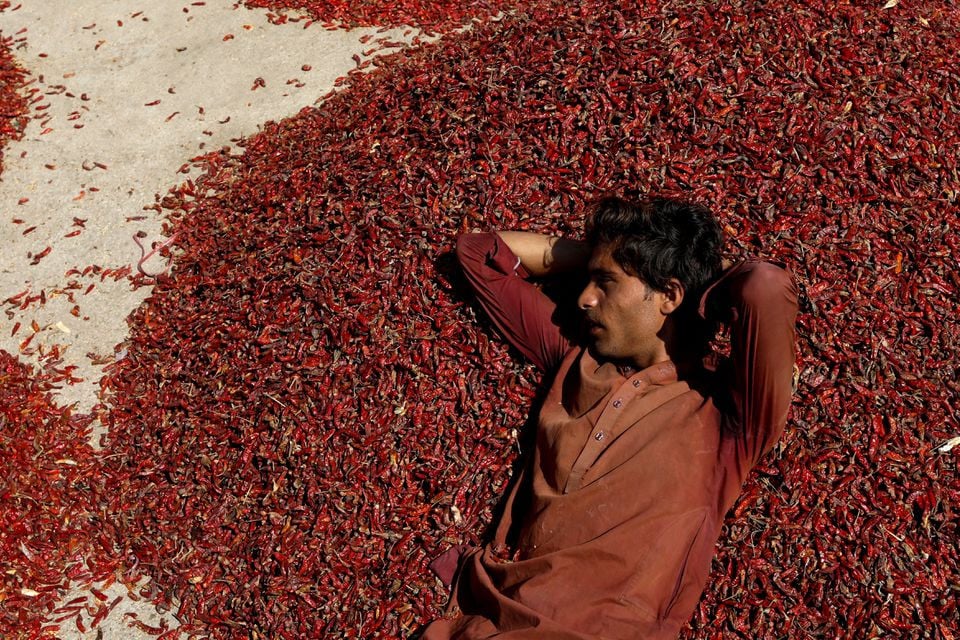
The price of red hot chilli peppers in Pakistan has turned into a hot topic and not just among farmers. Traders, exporters, and everyday consumers are all keeping an eye on it, especially as reports come in about crop trouble in some of the country’s growing regions. Pakistan is still very much one of South Asia’s key chilli producers, but shifting weather, plant disease, and unpredictable demand are making things harder for growers than they used to be.
Agricultural experts are pushing farmers to tighten up crop management and get ahead of disease before it spreads. Meanwhile, traders are watching domestic prices, export orders, and how much premium-quality red chilli is actually making it to local markets.
Pakistan’s Chilli Industry Plays a Key Economic Role
Pakistan’s red chillies have earned a solid reputation; they show up in home kitchens, restaurants, food manufacturing, and international spice markets alike. The industry isn’t small either; it keeps thousands of farming families going while also employing traders, processors, transporters, and exporters along the way.
Sindh stands out as the country’s best-known chilli-growing region. Decades of favourable climate have made it a natural fit for the crop, and it now accounts for a significant chunk of Pakistan’s total production, enough to make it a genuine hub for the spice trade.
None of that success happens on its own, though. It comes down to a mix of decent weather, reliable irrigation, good seed choices, and staying on top of disease throughout the growing season.
Pakistan Red Hot Chili Peppers Price in Pakistan Remains Closely Watched
Prices shift throughout the year, largely tracking supply, harvest timing, export demand, and how good the crop turns out to be. When harvests are strong, prices tend to settle down simply because more chilli is flowing into wholesale markets.
But when production dips, whether from bad weather or disease, things get shakier fast. Traders point out that premium-grade chillies, the kind with strong colour and pungency suited for export, usually fetch better prices regardless of what the broader market is doing.
Even home cooks notice the swings, particularly around festival season or whenever supply tightens up.
Crop Health Concerns Affect Farmer Confidence
There’s been a lot of talk lately within the agricultural sector about protecting chilli crops from disease and pests, and for good reason. An infection doesn’t just hurt yield; it can knock down quality too, which hits farmers right where it hurts: their income.
Extension officers keep telling growers the same thing: check your fields regularly. Catching a problem early means you can pull the infected plants before it spreads any further.
Beyond that, the usual advice applies: balanced fertiliser use, careful irrigation, and certified seed all go a long way toward helping crops hold up against whatever the season throws at them.
Why Dundicut Pepper Is Popular
Ask anyone familiar with Pakistani chillies, and Dundicut pepper is likely to come up. It’s known for its bright red colour and serious heat, and it shows up everywhere: spice blends, curries, barbecue rubs, sauces, you name it.
Exporters like it for a practical reason too: international buyers tend to want peppers with consistent colour, low moisture, and reliable flavour, and Dundicut checks those boxes. That consistency has done a lot for Pakistan’s standing in the global spice trade.
Chefs and home cooks alike keep gravitating toward it when they’re after that authentic South Asian kick.
Demand for Pakistan Red Hot Chili Peppers Online Continues to Increase
Buying spices used to mean a trip to the local market. Not anymore, plenty of people now just search for Pakistan red hot chilli peppers online instead.
Online sellers stock everything from whole dried chillies to crushed flakes, powder, and export-grade varieties. Buyers tend to weigh quality, packaging, reviews, and where the product actually comes from before hitting “buy.”
It’s also opened doors for smaller producers who otherwise wouldn’t have much reach beyond their own region; now they can sell to customers well outside their usual footprint.
Dundicut Pepper Seeds Gain Attention Among Growers
More farmers are looking into Dundicut pepper seeds these days, hoping for varieties that produce healthier plants and better yields. And it makes sense that seed choice is one of the first and most important decisions in the whole growing cycle.
Researchers keep steering farmers toward certified seed from reliable suppliers rather than whatever’s cheapest or unverified. Better seed generally means better germination and sturdier plants down the line.
Some growers are also experimenting further with drip irrigation, soil testing, and integrated pest management, all aimed at squeezing out more yield while keeping risk in check.
Export Markets Continue to Influence Prices
Pakistan ships red chillies out to a number of international markets where demand for quality spice stays fairly strong. Before any of it leaves the country, export-grade product goes through cleaning, drying, grading, and packaging.
Buyers overseas are picky; they’re checking colour, moisture, cleanliness, and heat level before committing to a purchase. Keeping quality consistent is really what lets Pakistani exporters hold their own against other major chilli-producing countries.
And it’s not just about the crop itself. Global demand shifts, freight costs, and currency swings all feed into the final price, whether you’re an exporter or a domestic trader.
Weather Remains a Major Challenge
Weather is still the wildcard here. Too much rain, prolonged humidity, or unusually high heat can all push disease pressure up and drag yields down.
More farmers are turning to climate-smart practices to soften the blow: better drainage, well-timed irrigation, and closer field monitoring. None of it eliminates the risk entirely, but it does help cut losses when a season goes sideways.
Agricultural authorities keep pointing farmers toward extension services and local advisory programs for seasonal guidance, which can make a real difference when conditions turn unpredictable.
Expert Opinions Highlight Need for Stronger Crop Protection
According to agricultural experts, Pakistan’s chilli industry can stay competitive as long as farmers keep adopting modern cultivation methods. Better irrigation, certified seed, and catching disease early are all considered non-negotiable at this point.
Regular field inspections, specialists say, are what actually catch a disease before it spreads across an entire farm. They’re also encouraging growers to stick to official guidance on fertiliser and pest management rather than relying on word-of-mouth or unverified practices.
Exporters, for their part, believe the real path forward is closer collaboration among farmers, researchers, and government agencies all working together. Continued investment in research and post-harvest handling should, in theory, improve both output and export quality over time.
Market Impact on Farmers, Traders, and Consumers
The price of red hot chilli peppers in Pakistan touches nearly every link in the supply chain. Farmers need stable prices just to cover their costs, while traders are constantly reading wholesale markets to decide when and how much to buy.
Retailers, meanwhile, adjust their own prices based on transport costs, storage, and how much supply is around that season. Consumers feel it too, whether they’re buying whole dried chillies, powder, or spice blends off the shelf.
For exporters, quality is non-negotiable. International buyers want uniform colour, proper drying, and minimal contamination, and meeting that bar is what keeps Pakistani products competitive against other producing nations.
Pakistan Red Hot Chili Peppers Online Market Continues to Grow
Online demand keeps climbing as more people simply prefer shopping digitally. Retailers now stock different grades of dried chillies, flakes, powdered spice, and export-quality products, all just a click away.
A lot of businesses have also upgraded their packaging and delivery to keep products fresh in transit. And buyers get the added benefit of reading descriptions, checking reviews, and comparing prices before they commit.
Small producers in particular have gained a lot from this shift; they can now reach customers across Pakistan and abroad without depending entirely on traditional wholesale channels.
Dried Dundicut Chiles Substitute: What Can You Use?
Plenty of international recipes call specifically for Dundicut pepper, but it’s not always sitting on shelves outside Pakistan. Luckily, there are workable substitutes that get you close enough.
Cayenne peppers bring the heat, Kashmiri red chillies offer colour with a gentler kick, and a paprika-cayenne blend can strike a decent middle ground. Some cooks even mix crushed red pepper flakes with mild chilli powder to approximate the flavour.
That said, food experts are honest about it: a substitute can get you close, but authentic Dundicut pepper has a colour, aroma, and heat profile that’s genuinely hard to replicate exactly.
Pakistan’s Spice Industry Looks Toward Sustainable Growth
The industry as a whole is quietly modernising. Growers are picking up better farming practices, and exporters are pouring money into improved processing facilities. Cleaner drying methods, better storage, and modern packaging are all helping cut down on post-harvest losses while boosting export quality.
Researchers, meanwhile, are working on disease-resistant chilli varieties that could shift productivity for the better in future seasons, good news for both domestic and export markets if it pans out.
Government bodies, universities, and agricultural organisations are staying in the loop together, feeding farmers updated information on crop protection, climate resilience, and more efficient production.
Regional Importance of Pakistan’s Chilli Production
Pakistan holds its place as one of South Asia’s recognised chilli producers, supplying both local consumers and buyers abroad. Thousands of farming families, along with transport workers, traders, processors, and exporters, all depend on the industry in one way or another.
Major producing regions keep investing in infrastructure for harvesting, drying, grading, and storage because better logistics simply mean less waste and a higher-quality product reaching the market.
As global spice demand keeps climbing, holding onto quality standards and sustainable practices is going to matter more, not less.
Future Outlook
Experts seem cautiously optimistic about where the industry’s headed. Weather and disease aren’t going away as challenges, but better farming techniques and disease management should help strengthen production over the coming seasons.
More investment in research, certified seed distribution, farmer training, and export infrastructure could push competitiveness even further. Keeping tabs on market trends will also help producers react faster when domestic or international demand shifts.
Going forward, the Pakistan red hot chilli peppers price in Pakistan will likely keep tracking harvest size, export demand, weather, and production costs. Most industry voices agree on one thing: long-term sustainability comes down to keeping crops healthy, boosting productivity, and delivering consistent quality to customers everywhere.
Conclusion
Despite the fresh set of challenges, Pakistan’s chilli industry remains a genuine pillar of the country’s agricultural economy. Farmers, exporters, researchers, and policymakers all have a part to play in keeping crop quality up and growth sustainable.
The Pakistan red hot chilli peppers price in Pakistan isn’t going away as a talking point — not while market conditions keep shifting. And the rising interest in Pakistan red hot chilli peppers online, premium Dundicut pepper, quality Dundicut pepper seeds, and dried Dundicut chiles substitute options only underlines how much Pakistani spices matter, both at home and on the global stage.
With continued investment, smarter farming practices, and tighter quality standards, Pakistan’s chilli sector looks well placed to stay a meaningful contributor to the national economy and the wider spice trade.
FAQs
Is there a Chili’s in Pakistan?
No, the international chain Chili’s Grill & Bar doesn’t have official outlets in Pakistan. That said, the country’s restaurant scene is anything but quiet, offering plenty of local and international cuisine. Several restaurants do serve spicy dishes inspired by Mexican, American, and South Asian flavours, but these are independent businesses, not official Chili’s franchises.
Which is the largest chili market in Pakistan?
That would be the Kunri chilli market in Sindh, widely regarded as not just Pakistan’s biggest, but one of Asia’s most important chilli trading hubs. Thousands of tonnes pass through it every year, with farmers, traders, exporters, and processors all doing business there. Kunri’s particularly known for high-quality dried red chillies that end up both in domestic markets and shipped abroad.
Does Pakistan have spicy food?
Definitely, Pakistani cuisine leans heavily on bold, flavourful spicing, and red chillies are a big part of that. Dishes like karahi, biryani, nihari, kebabs, curries, and barbecue regularly feature chilli powder or whole dried chillies for flavour and aroma. Spice levels vary by region and personal taste, but chilli remains a staple ingredient across the board.