

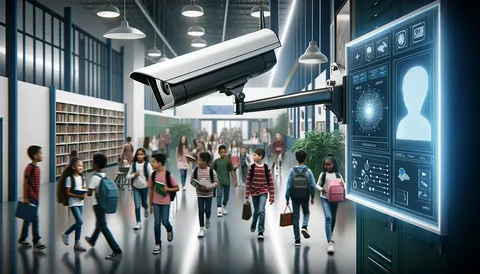
Every parent sending their child to school expects one basic thing that they’ll come home safe. For millions of families around the world, that expectation has been shaken. Bullying, harassment, physical fights, cyberbullying, and in the most devastating cases, school shootings these aren’t isolated incidents anymore. They’re patterns that demand serious attention.
The conversation about school violence has grown louder in recent years, and rightfully so. But talking about it isn’t enough. Understanding where it comes from, what it looks like, and what actually works to prevent it that’s where real change begins.
What Actually Counts as School Violence?
Most people picture a physical fight when they hear “school violence.” But the definition is much broader than that and the less visible forms can be just as damaging.
School violence is any behavior that causes physical, emotional, or psychological harm within or around a school. That includes the obvious stuff hitting, fighting, weapons. But it also includes verbal abuse, threats, intimidation social exclusion, cyberbullying, sexual harassment, and property destruction.
The reason this matters is that emotional and psychological harm doesn’t always leave visible marks. A student who’s been systematically humiliated, excluded, or harassed online can suffer just as deeply as one who’s been physically hurt sometimes more so, because it’s harder for adults to see and therefore easier to dismiss.
Research consistently shows that violence rarely appears out of nowhere. It builds gradually through unresolved conflicts, mounting pressures, and emotional distress that nobody addressed in time. That’s why early intervention isn’t just helpful it’s essential.
Where Does It Come From?
Violence in schools doesn’t have a single cause. It’s almost always a combination of factors that build on each other over time.
Difficult home environments play a significant role. Children witnessing domestic violence, experiencing neglect, or living in unstable situations often carry that stress into school sometimes expressing it as aggression.
Bullying and peer pressure create a cycle that’s hard to break. Students who are repeatedly targeted may eventually lash out. And peer pressure pushes some students toward behavior they’d never choose on their own.
Untreated mental health issues are a major contributing factor that schools often don’t have adequate resources to address. Anxiety, depression, trauma when these go unrecognized and unsupported, they can surface as behavioral problems.
Exposure to violence in communities, in homes, through media normalizes aggression. Students who grow up surrounded by it can become desensitized in ways that make conflict feel like a normal response to frustration.
Weak school systems make everything worse. Poor supervision, unclear disciplinary policies, and no real channels for students to report concerns mean warning signs get missed until it’s too late.
Social and economic factors matter too. Poverty, discrimination, and inequality create chronic stress. That stress doesn’t disappear when a student walks through the school gate.
What Students Can Do Themselves
Students aren’t just bystanders in this they’re one of the most powerful forces for either escalation or prevention.
The most important thing any student can do when tensions rise is not respond with aggression. Walk away. Find a trusted teacher or counselor. That’s not weakness that’s actually the harder choice.
Building friendships with people who are genuinely supportive matters more than most students realize. Positive peer groups provide protection against bullying and reduce the pressure to act aggressively to fit in.
And reporting matters. If you see something concerning threats, harassment, someone who seems like they’re in real distress — tell an adult. Don’t assume someone else will handle it. Most students who have been hurt later admit that someone around them knew something was wrong before it happened.
Participating in school life activities, clubs, community events also helps. Students who are engaged are less likely to be targets and less likely to become aggressors.
The Digital Dimension
Cyberbullying has added a layer to school violence that previous generations never had to navigate. When harassment follows you home through your phone, there’s no safe space to recover.
Schools are increasingly building digital citizenship into their programs teaching students what responsible online behavior looks like and what the real consequences of harassment are. This isn’t just about rules. It’s about helping young people develop empathy and judgment in digital spaces, not just physical ones.
Monitoring trends in cyberbullying and having clear processes for responding to online harassment have become non-negotiable parts of any serious school safety strategy.
The Ripple Effects Go Further Than You’d Think
The impact of school violence doesn’t stay within school walls. Victims carry trauma into adulthood affecting their mental health, their relationships, their academic and career trajectories. Teachers and staff experience stress and burnout. Communities bear economic and social costs.
In the most severe cases, incidents of school violence shape national conversations about education policy and public safety for years. The weight of that is real, and it’s why investment in prevention isn’t optional it’s essential.
The Bottom Line
School violence is complex. But it’s not inevitable.The schools that do this well don’t wait for something to go wrong and then react. They invest in environments where students feel safe, supported, and genuinely connected to the people around them. They train their staff. They take mental health seriously. They make it easy and safe for students to speak up.
Prevention is always harder to see than response. It doesn’t make headlines. But it works. And it’s the only approach that actually protects the children whose futures depend on getting this right.
FAQs
What are the most effective violence prevention methods?
The most effective methods combine several approaches at once: respectful school culture, consistent anti-bullying enforcement, accessible mental health support, strong family communication, conflict resolution education, and safe reporting systems. No single strategy works in isolation the strongest outcomes come from schools that layer multiple approaches together.
What are the key steps to preventing abuse?
Start with recognizing warning signs early, then create environments where open communication is normal and safe. Establish clear boundaries and enforce them. Educate students and staff about healthy relationships and what abuse actually looks like. Report concerns promptly rather than waiting for certainty. Support victims with professional help. And build cultures where abusive behavior is genuinely not tolerated not just officially frowned upon.
How can students avoid getting into fights at school?
Stay calm when tensions rise easier said than done, but it’s a skill that can be practiced. Walk away from confrontations rather than escalating them. Talk to a trusted teacher or counselor when conflicts feel like they’re building. Practice saying what you mean without aggression. Avoid peer pressure situations that push you toward violence. And invest in friendships with people who bring out better behavior in you the people around you influence how you handle conflict more than most students realize.