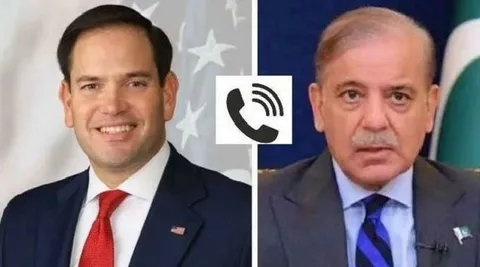

In a rapidly evolving diplomatic landscape, Shehbaz Dar phone diplomacy Iran ceasefire efforts have emerged as a key example of proactive engagement. Through a series of high-level calls, Shehbaz Sharif and Ishaq Dar worked to support de-escalation between global powers.
This “call-a-thon” diplomacy reflects how modern leadership increasingly relies on direct communication to manage crises and prevent further conflict.
A Strategic Push for De-escalation
As tensions escalated in the region, Pakistan stepped in with a series of diplomatic outreach efforts. The Shehbaz Dar phone diplomacy Iran ceasefire initiative involved conversations with key global leaders, aiming to reduce hostilities and promote dialogue.
These calls were not isolated. Instead, they formed part of a coordinated strategy to encourage restraint and support peace negotiations.
At the same time, developments in iran news indicated rising international concern, which made such diplomatic engagement even more critical.
Role of Leadership and Direct Communication
Both Shehbaz Sharif and Ishaq Dar used direct communication channels to convey Pakistan’s position. They emphasized the importance of ceasefire, regional stability, and humanitarian considerations.
Moreover, their outreach included engagement with leaders from the Middle East and beyond, including officials linked to the Iran leadership.
The involvement of the iran president also remained central to the evolving negotiations, as global actors pushed for a peaceful resolution.
Pakistan’s Diplomatic Position
Pakistan has traditionally advocated for peaceful conflict resolution. Therefore, the Shehbaz Dar phone diplomacy Iran ceasefire approach aligns with its broader foreign policy goals.
In addition, Pakistan’s diplomatic outreach demonstrated its willingness to act as a bridge between conflicting parties. This approach strengthens its international image as a responsible and peace-oriented nation.
Impact on the Ceasefire Process
The series of calls contributed to a broader international effort to bring about a ceasefire. While multiple countries played roles, Pakistan’s engagement added momentum to ongoing negotiations.
Furthermore, these diplomatic efforts highlighted the importance of real-time communication in crisis management. Leaders can now influence outcomes more quickly than ever before.
As a result, the Shehbaz Dar phone diplomacy Iran ceasefire initiative is being viewed as a case study in modern diplomacy.
What This Means for Regional Stability
The ceasefire discussions have significant implications for regional and global stability. Reduced tensions can help prevent economic disruptions, protect civilians, and create space for long-term solutions.
Additionally, Pakistan’s active role may open doors for future mediation efforts in other conflicts.
FAQs
Did Iran receive a ceasefire agreement?
Yes, ceasefire discussions involved Iran along with other international stakeholders. Agreements are typically reached through negotiations and mutual consent.
Who started the Iran War in 2026?
The origins of conflicts are often complex and involve multiple political and military factors. No single event or actor can fully explain the situation without broader context.
What is the meaning of ceasefire in Iran?
A ceasefire refers to a temporary or permanent stop in fighting between conflicting parties. In the context of Iran, it means halting military actions to allow for negotiations and peace efforts.
Conclusion
The Shehbaz Dar phone diplomacy Iran ceasefire efforts underline the growing importance of direct and continuous communication in global politics. Through timely intervention, Shehbaz Sharif and Ishaq Dar demonstrated how diplomacy can help reduce tensions and promote peace.
In an era of fast-moving crises, such initiatives show that even a series of phone calls can play a meaningful role in shaping global outcomes.