
The US government has signed off on a fresh round of State Department arms sales, sending precision weapons worth close to $2 billion toward Saudi Arabia and Kuwait. The move lands only months after a separate package equipped Israel with comparable defense technology through the same contractor.
Background
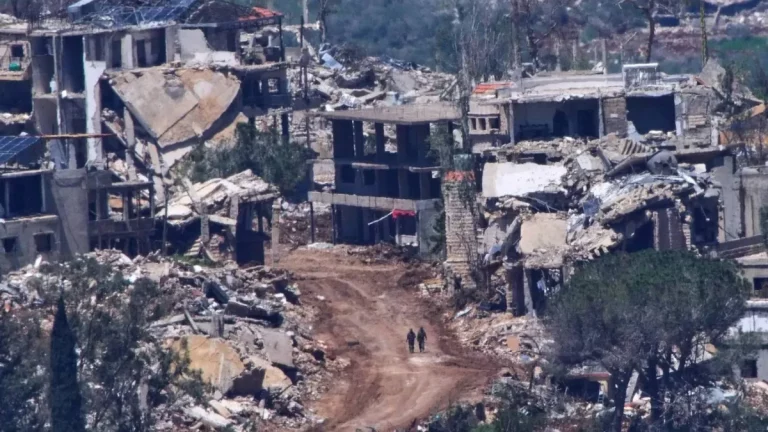
Tensions across the Middle East have kept demand for American-made defense equipment unusually high this year. Gulf governments have been racing to secure interceptors, guided munitions, and airlift support as attacks tied to the Iran conflict and Yemen’s Houthi movement continue to disrupt the region.
Saudi Arabia, Kuwait, and Israel have each filed separate requests with Washington in recent months. Every one of these Major arms Sales has gone through the same review process: a formal request from the buyer, evaluation by the Defense Security Cooperation Agency, and final sign-off from the State Department before Congress is notified.
This week’s approval is not a standalone event. It follows an earlier round in January, when the United States cleared billions of dollars in equipment for Saudi Arabia and Israel within the same announcement.
Details
The State Department confirmed this week that it approved an estimated $1.96 billion arms package for Saudi Arabia, paired with a $484 million sustainment deal for Kuwait. Riyadh’s request covers up to 20,000 Advanced Precision Kill Weapon Systems, along with warheads, launchers, and related support equipment.
Kuwait’s package is different in scope. It focuses on keeping the country’s C-17 transport aircraft fleet operational, supporting airlift capacity used in coalition missions across the region. Both sales still need to clear a mandatory congressional review window before manufacturing contracts are finalized.
BAE Systems, headquartered in Nashua, New Hampshire, is listed as the principal contractor for the Saudi order. That detail matters because BAE Systems Israel dealings followed a nearly identical process earlier this year, when the State Department approved roughly $992 million for 10,000 APKWS rounds destined for Israel, again naming BAE Systems as the contractor of record.
Put side by side, these State Department arms sales show a clear pattern. One weapons system, the APKWS guided rocket, and one contractor keep appearing across separate deals with different buyers. The rocket’s relatively low cost per unit makes it a practical option for countries ordering in bulk, especially those facing repeated drone attacks.
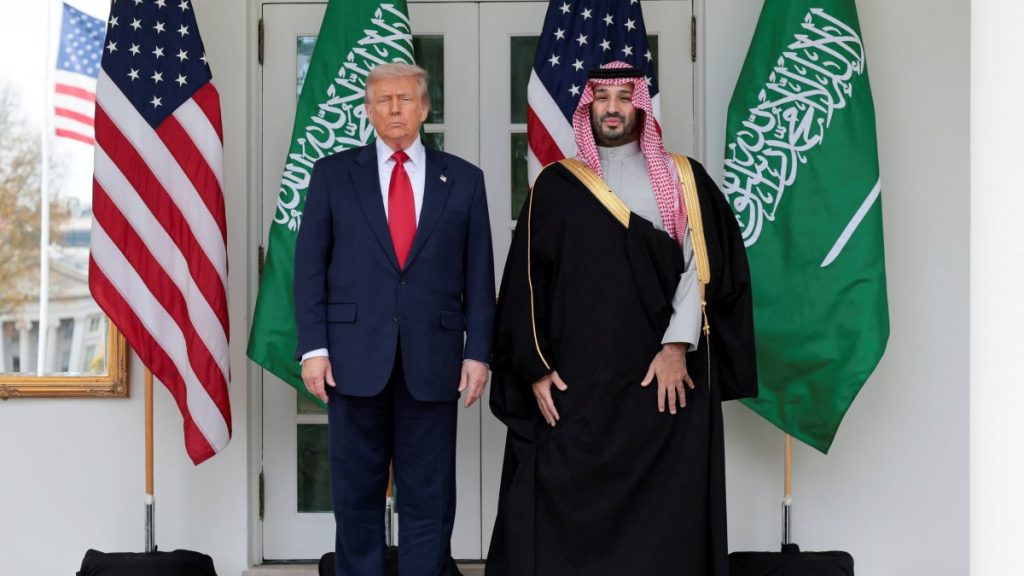
The current wave follows a much larger set of Major arms Sales approved earlier in the year: roughly $9 billion in Patriot missile systems for Saudi Arabia and $6.67 billion in equipment for Israel, including Apache helicopters and light tactical vehicles. Those packages were announced after Saudi Defense Minister Khalid bin Salman met with senior US officials in Washington.
Quotes
In its statement on the Saudi sale, the State Department said the transfer would support “the foreign policy and national security objectives of the United States by improving the security of a Major non-NATO Ally that is a force for political stability and economic progress in the Gulf Region.”
The department also addressed concerns about domestic military readiness, noting there would be “no adverse impact on US Defense readiness as a result of this proposed sale.” This wording appears in nearly every Foreign Military Sales notice the department issues.
Regarding the Kuwait deal, officials described it as reinforcing “the security of a major non-NATO ally that has been an important force for political stability and economic progress in the Middle East.” Similar language was used earlier this year when the department justified expanded support for Israel’s self-defense needs.
Impact
These decisions carry weight well past the paperwork stage. For Saudi Arabia, the timing lines up with an active threat: Houthi forces fired missiles at Abha airport in the kingdom’s south just days before this announcement, following an earlier strike on Sanaa airport.
For BAE Systems, landing contracts tied to Israel, Saudi Arabia, and now Kuwait in the same year puts it among the busiest contractors currently working through State Department arms sales. Its APKWS manufacturing lines are now supporting several allied militaries at once, and defense analysts say that pace could eventually slow delivery schedules even with demand still climbing.
Across the region, the near-simultaneous approvals for Saudi Arabia, Kuwait, and Israel point to a balancing act. Washington is trying to maintain relationships with governments that don’t always see eye to eye, while responding to a shared set of threats involving drones, missiles, and instability linked to the wider Iran conflict.
Congress retains the authority to block any of these Major arms Sales during its review period, though objections rarely stop a sale once it reaches formal notification. Most analysts expect both the Saudi and Kuwaiti orders to move forward without major changes.
Conclusion
With lawmakers now reviewing both packages, the next question is whether other Gulf states file similar requests in the coming weeks. Given how frequently State Department arms sales have been announced this year, from January’s $9 billion Patriot deal to this week’s APKWS order, more news involving BAE Systems Israel contracts or other regional buyers seems likely before the year is out.
For now, this latest round adds to a pattern already visible in Military Affairs coverage: the United States is relying on a narrow set of contractors and weapons platforms to meet defense demand across a region that isn’t calming down anytime soon.
Frequently Asked Questions
Did Saudi Arabia give U.S. 1 trillion dollars?
There’s no confirmed record from the State Department or any other US government source showing a payment of that size. Saudi Arabia has made broad, long-term investment pledges in past meetings with US officials, and those numbers sometimes get inflated or misquoted when they circulate online. The actual, itemized arms deals on record, including this week’s $1.96 billion APKWS package and January’s $9 billion Patriot missile agreement, are both far smaller than a trillion dollars. It helps to separate confirmed government contracts from informal investment promises made during diplomatic visits, since the two get mixed up frequently in headlines and social media posts.
What is the Saudi Arabia defense deal?
The current deal is a State Department-approved arms package worth close to $1.96 billion, built around up to 20,000 Advanced Precision Kill Weapon Systems along with the launchers, warheads, and training support needed to operate them. It builds on an earlier and considerably larger approval from January, when Washington cleared roughly $9 billion for 730 Patriot missile systems meant to strengthen Saudi Arabia’s air defense network against ongoing threats from Yemen. Both deals still require congressional review before manufacturing and delivery timelines are locked in.
Is Saudi Arabia have a strong military?
Saudi Arabia runs one of the largest defense budgets in the Middle East and has poured significant resources into modern air defense, fighter aircraft, and missile systems over the last several years. Much of that strength comes from steady arms purchases through the United States, including Patriot batteries, precision-guided munitions, and advanced jets. That said, the kingdom still depends heavily on American logistics support, training programs, and technology transf