
FIFA has updated its resale policy for World Cup 2026 matches in Toronto. Fans holding Toronto World Cup tickets resale listings on the official FIFA Marketplace must now list them at their original purchase price not above it. This major shift directly follows a new Ontario law that bans above-face-value ticket reselling.
Background
The FIFA World Cup 2026 is scheduled from June 11 to July 19, co-hosted by Canada, the United States, and Mexico. Toronto is one of the Canadian host cities, and its matches were generating significant attention including controversy on secondary markets like StubHub, Ticketmaster, and fan communities like Toronto World Cup tickets resale Reddit threads, where inflated pricing was becoming a trending topic.
Ontario’s government acted decisively before the tournament even began. The provincial legislature passed its 2026 budget bill, which included the “Putting Fans First Act.” This law made it illegal to resell tickets or facilitate reselling above their original face value anywhere in Ontario. The law specifically targets scalpers and platforms that profit from high-demand events by dramatically marking up prices.
Details
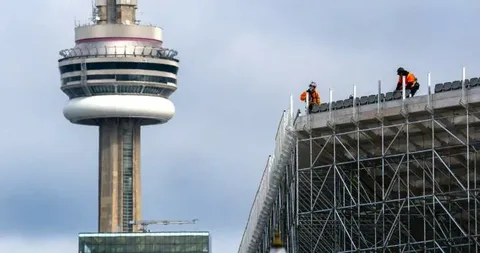
Tickets for World Cup matches in Toronto can now only be resold at their original price on FIFA Marketplace, after football’s world governing body updated its policy to comply with Ontario’s recent ban on above-face-value reselling.
The new terms were implemented on Wednesday, one week after tickets for six matches at Toronto Stadium were removed from the official marketplace as FIFA worked to align with the provincial legislation.
Under the updated FIFA rules, a ticket for a match at Toronto Stadium cannot be listed on the platform for a resale price higher than the original amount paid to FIFA Ticketing, even if that ticket was previously purchased on the marketplace above face value.
This is a meaningful distinction. It means if a fan originally bought a Toronto match ticket for $400 but later purchased it on FIFA Marketplace for $800, they can still only relist it at $400 the original FIFA Ticketing price. There is no room for profit on Toronto match tickets under this new rule.
However, tickets for matches at any of the other 15 World Cup venues can still be listed above face value on the official resale and exchange marketplace, which FIFA says is designed to protect fans and is subject to federal and local regulations.
This means the rule is geographically limited it applies specifically to Toronto because of Ontario’s provincial law, while cities like Los Angeles, New York, and Mexico City are not bound by the same restrictions.
The Bigger Picture: FIFA Ticket Prices Under Fire
This policy change does not exist in isolation. FIFA has faced enormous criticism over the cost of FIFA World Cup tickets across all venues. Fan organizations and football communities including active Toronto World Cup tickets resale Reddit discussions have raised alarm about prices that many supporters simply cannot afford.
Fan organization Football Supporters Europe (FSE) branded FIFA’s pricing structure “extortionate” and a “monumental betrayal” of fans.
Earlier this week, FIFA president Gianni Infantino defended World Cup ticket prices, insisting that FIFA was obliged to take advantage of laws in the United States that allow tickets to be resold for thousands of dollars above face value. His comments drew further backlash from fans and advocacy groups.
The numbers tell a striking story. Last week, FIFA Marketplace advertised four tickets to the July 19 final in New York for more than $2 million each. Even group-stage matches carry shocking price tags. Tickets for USA vs Paraguay start at $1,120 and go as high as $4,105, with many priced at around $2,000 for the June 12 match in Los Angeles, while hospitality package seats reach as high as $6,050 per seat.
These prices have placed World Cup 2026 firmly out of reach for many average football fans, sparking debate across StubHub listings, Ticketmaster pages, and fan forums alike.
Quotes
FIFA defended its official marketplace model, describing it as a fan-protection mechanism. The organization stated that the FIFA Marketplace is subject to federal and local regulations, though critics argue the platform has largely benefited scalpers rather than supporters.
Ontario’s “Putting Fans First Act” was passed with clear legislative intent. The law states that no person can make a ticket available for sale on the secondary market, or facilitate the sale of a ticket on the secondary market, for an amount that exceeds the ticket’s original price.
FIFA’s compliance with this law is being seen as a rare moment where fan-friendly legislation succeeded in reining in a global sports organization’s commercial practices.
Impact
For Toronto fans specifically, this is a genuine win. Those who were watching Toronto World Cup tickets resale prices skyrocket on StubHub, Ticketmaster, and other platforms now have legal backing and FIFA’s compliance on their side.
The impact, however, is limited in scope. Fans attending matches in US cities will still face unregulated resale pricing. FIFA’s willingness to adjust its terms in Toronto shows that legal pressure from governments can shift the organization’s behavior. But with 16 other venues unaffected by similar laws, the broader resale market for FIFA World Cup tickets remains largely unchecked.
As of April 20, FIFA reported that more than five million tickets had been sold for the tournament, yet FIFA has struggled to sell out games, including the host nation USA’s opener against Paraguay. Seats remain available for most group-stage games, albeit at exorbitant prices.
The irony is clear: FIFA insists prices reflect market demand, yet even at premium rates, stadiums risk being half-empty. Fans are choosing to stay home rather than pay thousands for a single match ticket.
Conclusion
The Toronto World Cup tickets resale situation is a microcosm of a much larger debate about the commercialization of football. Ontario’s law forced FIFA’s hand and FIFA complied, at least for Toronto. This moment could set a precedent. If other provinces, states, or national governments follow suit with similar fan-protection legislation, FIFA may face mounting pressure to rethink its global resale policy.
For now, fans in Toronto have some protection. Those in other World Cup cities particularly in the United States remain at the mercy of a secondary market where FIFA resale tickets can sell for dozens of times their original value on platforms like StubHub and Ticketmaster.
Whether FIFA will voluntarily extend these protections, or whether it will take more legal action from more governments to make that happen, remains to be seen. What is clear is that the fight over FIFA ticketz and who truly gets to attend the beautiful game’s biggest event is far from over.
FAQs
Q: Are World Cup tickets allowed to be resold?
Yes, World Cup tickets can be resold, but the rules vary by location. In Toronto specifically, Ontario’s “Putting Fans First Act” now prohibits reselling tickets above face value. For matches at the other 15 World Cup venues mostly in the US and Mexico tickets can still be listed above their original price on FIFA’s official resale marketplace and third-party platforms like StubHub and Ticketmaster.
Q: Where to buy World Cup tickets for resale?
The primary official channel is FIFA Marketplace, FIFA’s official resale and exchange platform. Third-party platforms like StubHub and Ticketmaster also list FIFA resale tickets. For Toronto matches, only face-value resale is permitted. Fans also frequently discuss ticket availability on community platforms, and Toronto World Cup tickets resale Reddit threads have become a popular resource for real-time buyer and seller discussions.
Q: What is the resale fee for World Cup 2026 tickets?
FIFA has not publicly disclosed a standardized resale fee percentage. However, buyers on the FIFA Marketplace may pay service and processing fees on top of the listed resale price. For Toronto matches, the listed resale price itself cannot exceed the original face value paid to FIFA Ticketing. For all other venues, the resale price is set by the seller and is subject to applicable local laws, with platform fees added at checkout.