
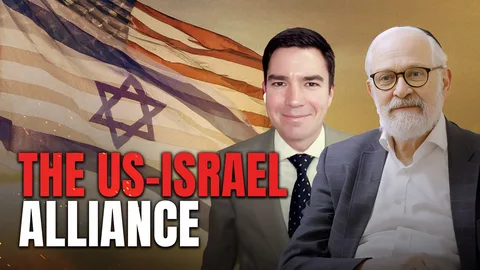
US-Israel relations today remain one of the strongest political and military partnerships in the world. The alliance continues to influence Middle East politics, global diplomacy, military cooperation, and international debates regarding Palestine and regional security.
The relationship has once again become a major topic worldwide as discussions around Gaza, regional conflicts, and American foreign policy continue to dominate headlines. Many people are asking whether the US supports Israel or Palestine and why the alliance remains so important after decades.
Background
The relationship between the United States and Israel began shortly after Israel declared independence in 1948. President Harry Truman officially recognized Israel only minutes after the declaration, making the United States one of the first countries to support the newly formed state.
Many historians explain that the US support for Israel in 1948 was influenced by humanitarian concerns following World War II and the Holocaust. Political, religious, and strategic reasons also played a major role in shaping early diplomatic ties between both countries.
Over the years, the partnership expanded into military cooperation, intelligence sharing, trade agreements, and technological development. Today, the US and Israel alliance is considered one of the strongest international relationships in modern geopolitics.
US-Israel Relations Today
US-Israel relations today continue to remain close despite growing criticism and political debates around the world. The United States provides military aid, diplomatic support, and strategic cooperation to Israel in areas such as defense technology, cybersecurity, and intelligence.
American officials often describe Israel as a key ally in the Middle East. Washington believes the partnership helps maintain regional security and protects US interests in a politically unstable region.
At the same time, critics argue that strong American backing for Israel affects peace efforts between Israelis and Palestinians. Discussions on social media platforms and US-Israel relations Reddit forums frequently debate whether US foreign policy should become more balanced in the region.
Does US Support Israel or Palestine?
One of the most searched questions globally is whether the US supports Israel or Palestine. Officially, the United States says it supports Israel’s security while also supporting a two-state solution that would allow Palestinians to have an independent state.
However, many analysts believe American policy strongly favors Israel because of long-standing military and diplomatic cooperation. The US regularly provides military assistance and often uses its influence in international organizations to defend Israeli interests.
Palestinian leaders and human rights groups have repeatedly criticized Washington’s approach. They argue that stronger pressure should be placed on both sides to achieve lasting peace and humanitarian protection.
What Does Israel Do for the United States?
People frequently ask what does Israel do for the United States and why the alliance is so important. Experts say Israel provides strategic value to the US in several ways.
Israel shares intelligence information related to regional security threats and counterterrorism operations. The country also cooperates closely with American defense companies and contributes to military technology development.
Some political analysts describe Israel as a reliable democratic ally in the Middle East. Supporters of the partnership argue that the alliance strengthens American influence in the region and improves national security cooperation.
Economic and scientific partnerships also continue to grow. Technology, healthcare innovation, cybersecurity, and defense industries remain important areas of cooperation between the two nations.
The Global Debate Around the Alliance
The US and Israel alliance has become increasingly controversial in recent years. International protests and political movements have raised concerns about civilian casualties, military operations, and humanitarian conditions in Gaza.
Supporters of Israel argue that the country has the right to defend itself against security threats and terrorism. Critics, however, believe American support allows Israeli governments to avoid accountability under international law.
The phrase “The United States of Israel” is sometimes used online by critics who believe Israeli influence over American politics is too strong. Political experts say the phrase is controversial and often appears during heated debates on foreign policy and lobbying influence.
Meanwhile, public opinion in the United States itself has become more divided, especially among younger voters who increasingly question traditional American policies in the Middle East.
US-Israel Relations History
The history of US-Israel relations includes decades of military cooperation, peace negotiations, and diplomatic challenges. During the Cold War, the alliance became strategically important as the United States tried to maintain influence in the Middle East.
In the 1970s and 1980s, American administrations helped broker peace agreements involving Israel and neighboring Arab states. Military aid and intelligence cooperation increased significantly during that period.
Following the September 11 attacks in 2001, counterterrorism cooperation between the US and Israel became even stronger. Both countries increased intelligence sharing and defense coordination against extremist threats.
Today, the relationship continues to evolve as global politics shift and new regional alliances emerge in the Middle East.
Political Reactions Worldwide
Governments around the world continue to closely monitor developments involving Israel, Palestine, and the United States. European countries have called for humanitarian protections and ceasefire negotiations during recent conflicts.
Arab nations have also criticized certain American policies regarding Israel while continuing diplomatic discussions with Washington. International organizations frequently debate resolutions related to human rights and regional stability.
Political analysts believe the future of the alliance will depend on regional peace efforts, changing public opinion, and upcoming elections in both the United States and Israel.
Impact on Global Politics
US-Israel relations today influence far more than just Middle East politics. The alliance affects global energy markets, international diplomacy, defense partnerships, and trade relations.
Countries such as Iran, Russia, and China also closely observe the partnership as part of broader geopolitical competition. Any major escalation involving Israel can quickly affect global financial markets and international security conditions.
The ongoing debate regarding Palestine and Israeli security also shapes political discussions across Europe, Asia, and the Muslim world. Universities, activists, and political groups continue to organize campaigns and demonstrations related to the conflict.
Conclusion
The relationship between the United States and Israel remains one of the most important alliances in international politics. Supporters view it as essential for regional security and democratic cooperation, while critics argue it complicates peace efforts in the Middle East.
As conflicts and diplomatic negotiations continue, questions about whether the US supports Israel or Palestine will likely remain central to global political discussions. Future developments may reshape how the alliance operates and how it is viewed internationally.
For now, US-Israel relations today continue to influence diplomacy, security, and public opinion around the world.
FAQs
Who is the biggest supporter of Israel?
The United States is widely considered the biggest supporter of Israel. America provides military aid, diplomatic backing, intelligence cooperation, and economic partnerships. The relationship has remained strong for decades because both countries consider each other strategic allies in the Middle East. Political cooperation between Washington and Tel Aviv continues to play a major role in global diplomacy.
Was Oppenheimer Jews?
Yes, J. Robert Oppenheimer came from a Jewish family. The famous American physicist, often called the “father of the atomic bomb,” was born to German Jewish immigrant parents in the United States. Although he was culturally connected to his Jewish background, historians note that he was not strongly religious during his adult life.
Why did Albert Einstein reject Israel?
Albert Einstein declined the offer to become Israel’s president in 1952. He explained that he lacked political experience and believed he was not suitable for the role. Einstein respected Israel and supported Jewish causes, but he preferred to focus on science, education, and humanitarian work rather than political leadership.