
Artificial Intelligence, commonly known as AI, is one of the most talked-about technologies of this decade. In the simplest words, it means teaching machines to think, learn, and make decisions the way humans do. From smartphone assistants to self-driving cars, Artificial Intelligence has quietly become part of everyday life. This article explains what is Artificial Intelligence, gives clear examples, and covers everything from AI apps to AI courses in an easy-to-understand format.
Background
The idea of Artificial Intelligence is not new. Scientists and researchers began exploring the concept decades ago, long before smartphones or the internet existed. Early computer scientists wanted to know if a machine could copy human reasoning and problem-solving abilities. Over time, this idea grew from simple mathematical models into the powerful AI systems we use today.
The term Artificial Intelligence was first introduced in the 1950s, and since then it has evolved through several stages of research and development. What started as a theoretical concept in university labs has now turned into a technology used by billions of people worldwide. Understanding this background helps explain why Artificial Intelligence is considered one of the biggest innovations in human history.
What Is Artificial Intelligence in Simple Words
If we explain Artificial Intelligence in simple words, it means giving computers the ability to learn from data and experience, instead of only following fixed instructions. A normal computer program does exactly what it is told, nothing more and nothing less. An AI system, on the other hand, can analyze information, recognize patterns, and improve its performance over time.
This is why Artificial Intelligence is often compared to human intelligence. It can understand language, recognize images, make predictions, and even hold conversations. However, it does all of this using mathematics, algorithms, and massive amounts of data rather than actual human thought.
Best Definition of Artificial Intelligence
The best definition of Artificial Intelligence describes it as the simulation of human intelligence by machines, especially computer systems. These systems are designed to perform tasks that normally require human intelligence, such as visual recognition, speech understanding, decision-making, and language translation.
In simple terms, Artificial Intelligence allows a machine to sense its environment, process information, and take action to achieve a specific goal. This definition covers everything from basic chatbots to advanced robots used in factories and hospitals.
Artificial Intelligence With Examples
To fully understand Artificial Intelligence, real-world examples are extremely helpful. Below are some common examples that show how AI is already part of daily life.
Voice assistants like Siri, Alexa, and Google Assistant use Artificial Intelligence to understand spoken commands and respond accordingly. They rely on natural language processing, a branch of AI that helps machines understand human speech.
Recommendation systems on platforms like YouTube, Netflix, and Amazon also use Artificial Intelligence. These systems study your past behavior and suggest videos, movies, or products that match your interests.
Self-driving cars are another powerful example. Companies use Artificial Intelligence to help vehicles detect obstacles, read traffic signals, and make split-second driving decisions without human control.
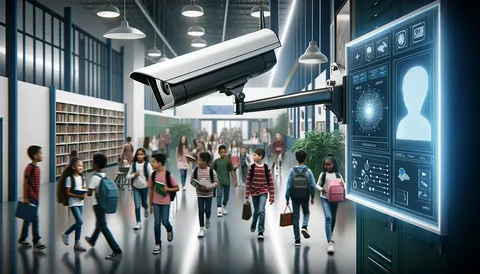
Face recognition technology used in smartphones and security systems is also powered by Artificial Intelligence. It scans facial features and matches them with stored data within seconds.
Popular Artificial Intelligence Apps
Many people search for a good Artificial Intelligence app to make daily tasks easier. Some of the most popular AI apps include chatbots for writing and research, photo editing apps that enhance images automatically, and productivity apps that organize schedules using smart suggestions.
These apps are designed to save time and improve accuracy. Whether it is drafting an email, editing a photo, or planning a trip, an Artificial Intelligence app can complete tasks in seconds that would otherwise take much longer manually.
Artificial Intelligence Course and Learning Options
As demand for AI skills grows, many people are now searching for a good Artificial Intelligence course. These courses are available both online and offline, covering topics such as machine learning, deep learning, neural networks, and data science.
Beginners usually start with a basic Artificial Intelligence course that explains core concepts in simple language. More advanced learners move on to programming-based courses that involve real coding projects. Many universities and online platforms now offer certified AI courses suitable for students, professionals, and business owners alike.
Artificial Intelligence Website and Online Resources
For those who want to explore Artificial Intelligence further, there are many dedicated AI websites offering tools, tutorials, and research papers. A good Artificial Intelligence website usually provides updated information on the latest tools, industry news, and beginner-friendly guides.
Some websites also offer a downloadable Artificial Intelligence PDF, which is helpful for students preparing notes or professionals looking for quick reference material. These PDFs usually summarize key AI concepts in a simple, structured format.
Artificial Intelligence in Movies
Artificial Intelligence has also inspired countless movies over the years. Popular Artificial Intelligence movies often show futuristic robots, intelligent machines, or worlds controlled by advanced technology. While many of these films use dramatic storytelling, they have helped introduce the concept of AI to a much wider audience.
These movies are not always scientifically accurate, but they play an important role in shaping public interest and curiosity about how Artificial Intelligence might shape the future.
Impact of Artificial Intelligence
The impact of Artificial Intelligence is visible across almost every industry today. In healthcare, AI helps doctors detect diseases earlier through image analysis. In finance, it is used to detect fraud and manage risk. In education, it personalizes learning based on each student’s pace and performance.
At the same time, Artificial Intelligence is changing the job market. While it is creating new opportunities in technology and data-related fields, it is also automating certain repetitive tasks. This has led to global conversations about balancing innovation with responsible use of AI.
Conclusion
Artificial Intelligence is no longer a futuristic idea; it is a present-day reality shaping how people live, work, and communicate. From AI apps and online courses to movies and downloadable PDFs, this technology has entered almost every part of daily life. As research continues, Artificial Intelligence is expected to become even more advanced, raising both exciting opportunities and important questions about its responsible use in the future.
Frequently Asked Questions (FAQs)
What is Artificial Intelligence?
Artificial Intelligence is a branch of computer science that focuses on building machines and systems capable of performing tasks that normally require human intelligence. This includes learning from data, recognizing patterns, understanding language, and making decisions. Unlike traditional software that only follows fixed instructions, AI systems can adapt and improve their performance over time based on experience and new information.
Who is the father of AI?
The title “father of Artificial Intelligence” is widely given to John McCarthy, an American computer scientist who coined the term “Artificial Intelligence” in 1956 during a famous academic conference. Along with other pioneers of that era, McCarthy laid the theoretical foundation for machine learning and reasoning, which eventually grew into the advanced AI systems used across the world today.
What 5 jobs will AI not replace?
While Artificial Intelligence is automating many repetitive tasks, certain professions rely heavily on human emotion, creativity, and judgment, making them difficult to fully replace. These include jobs such as psychologists and therapists, who depend on emotional connection and trust; creative artists and writers, whose original ideas come from personal experience; skilled healthcare workers like surgeons, who require precise human judgment; teachers, who build personal relationships with students; and leadership or management roles, which require complex human decision-making and interpersonal skills.