
The fuel price impact on consumers Pakistan has become acutely visible in Islamabad’s retail markets — where shopkeepers, transporters, and service providers have already passed the full weight of the government’s Rs55 per litre petrol price increase on to ordinary citizens within days of the hike taking effect. The fuel price impact on consumers Pakistan is being felt across food prices, transport fares, delivery charges, and household goods — compounding the financial strain of Ramazan when food demand and price sensitivity are at their annual peak. The OGRA petrol price in Pakistan today stands at Rs321.17 per litre for petrol and Rs335.86 for high-speed diesel — the highest levels since September 2023 — and the fuel price impact on consumers Pakistan is expected to add 0.7 to 1 percentage point to the national inflation rate in coming weeks.
Background: What Triggered the Fuel Price Impact on Consumers Pakistan?
The current fuel price impact on consumers Pakistan stems from a government decision announced on March 7, 2026 — a Rs55 per litre increase in petrol prices driven by the disruption of Middle Eastern oil supply chains following the Iran war that began in late February 2026.
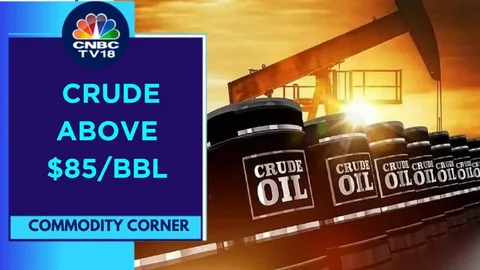
Pakistan imports approximately 60 percent of its refined petrol — primarily through Middle Eastern refining hubs and supply routes. When the US-Israel strikes on Iran disrupted regional oil infrastructure and pushed Brent crude to $119.50 per barrel globally, Pakistan’s import costs rose sharply. The government passed those costs directly to consumers through OGRA’s weekly pricing mechanism — resulting in the largest single petrol price increase in Pakistan in over two years.
The OGRA petrol price in Pakistan today following the March 7 revision stands at Rs321.17 per litre for petrol — compared to Rs266.17 before the increase. The PSO petrol price in Pakistan today for high-speed diesel is Rs335.86 per litre. Kerosene rose Rs130.08 to Rs318.81 and light diesel oil increased Rs67.82 to Rs235.01.
The fuel price impact on consumers Pakistan was immediate — not just at the fuel pump but across every sector of the economy where transport, logistics, and energy costs feed into the final price of goods and services.
Details: Fuel Price Impact on Consumers Pakistan — Complete Breakdown
Fuel Price Impact on Consumers Pakistan — Islamabad Retail Markets
The fuel price impact on consumers Pakistan arrived in Islamabad’s markets within 24 hours of the OGRA petrol price in Pakistan today announcement on March 7. Shopkeepers in sectors G-9, I-8, F-10, and Rawalpindi’s Raja Bazaar reported immediate price adjustments across multiple categories.
Vegetable and fruit vendors in Islamabad raised prices by Rs10 to Rs30 per kilogram on most commonly purchased items — citing the fuel price impact on consumers Pakistan through increased transport and supply chain costs. The price of a 40-kg sack of onions rose from Rs1,800 to Rs2,200. A kilo of tomatoes in F-10 market went from Rs80 to Rs110. Spinach and other leafy vegetables — transported daily from Rawalpindi’s Sabzi Mandi — saw the fuel price impact on consumers Pakistan most sharply, with prices rising Rs15 to Rs25 per kilogram overnight.
Grocery retailers in multiple Islamabad sectors confirmed to Dawn that the fuel price impact on consumers Pakistan had forced them to revise prices on staple packaged goods including cooking oil, flour, and pulses — citing increased delivery charges from Lahore and Karachi-based distributors. One G-9 shopkeeper said delivery charges on a full truck load from Lahore had increased by Rs8,000 to Rs12,000 per trip — a cost that was being distributed across every item on his shelves.
Fuel Price Impact on Consumers Pakistan — Transport and Commuting Costs
The fuel price impact on consumers Pakistan has been sharpest and most immediately visible in Islamabad and Rawalpindi’s public transport sector. Bus operators on the Islamabad-Rawalpindi corridor raised single-stop fares from Rs20 to Rs30 within 48 hours of the OGRA petrol price in Pakistan today revision — a 50 percent increase in one of the city’s most used daily commuter routes.
Motorcycle taxi operators registered with ride-hailing platforms increased per-kilometre rates by 15 to 20 percent — citing the direct fuel price impact on consumers Pakistan through increased per-trip fuel costs. A Karachi-based motorcyclist told Pakistan Today that his daily fuel spend had risen from Rs350 to between Rs400 and Rs450 — increasing his operating costs by approximately Rs3,000 per month.
Long-distance transport operators — covering routes from Islamabad to Lahore, Peshawar, and Karachi — announced fare increases of Rs200 to Rs500 per ticket on major routes within days of the petrol price in Pakistan today increase. The fuel price impact on consumers Pakistan for intercity bus passengers is an immediate and unavoidable cost increase that cannot be deferred or avoided.
OGRA Petrol Price in Pakistan Today — Current Official Rates
The OGRA petrol price in Pakistan today following the March 7, 2026 revision:
Petrol (Motor Spirit): Rs321.17 per litre
High-Speed Diesel: Rs335.86 per litre
Kerosene Oil: Rs318.81 per litre
Light Diesel Oil: Rs235.01 per litre
The OGRA petrol price in Pakistan today represents the highest petrol rate since September 2023, when a previous hike pushed prices to Rs331.38 per litre. The fuel price impact on consumers Pakistan from the current OGRA petrol price in Pakistan today revision is being described by economists as potentially more severe than the 2023 spike — because it arrives during Ramazan, when food prices are already elevated, and during an active Middle East conflict that may push prices even higher at the next weekly review.
PSO Petrol Price in Pakistan Today — What It Means at the Pump
The PSO petrol price in Pakistan today reflects the full OGRA-determined price at all Pakistan State Oil retail outlets across Islamabad, Rawalpindi, and the national network. The PSO petrol price in Pakistan today of Rs321.17 per litre for petrol means a full 10-litre fill for a standard 70cc motorcycle — the most common vehicle in Pakistan — now costs Rs3,211.70 compared to Rs2,661.70 before the March 7 hike.
For the average Pakistani motorcyclist filling up twice weekly, the PSO petrol price in Pakistan today increase translates to an additional Rs1,100 per month in fuel costs — a significant burden for daily wage workers, small traders, and delivery riders whose monthly earnings are often between Rs25,000 and Rs40,000.
The fuel price impact on consumers Pakistan through the PSO petrol price in Pakistan today is compounded by the government’s shift to weekly fuel pricing — which means the next OGRA petrol price in Pakistan today revision is due mid-March 2026, and analysts warn another increase is possible if Brent crude remains above $100 per barrel.
Fuel Price Impact on Consumers Pakistan — Ramazan Inflation Compounding
The fuel price impact on consumers Pakistan has struck at the worst possible time in the retail calendar — the middle of Ramazan, when Pakistani households increase food consumption and grocery spending by 30 to 50 percent above their normal monthly average.
Islamabad’s District Administration had placed Ramazan price control inspectors in markets before the petrol price in Pakistan today increase was announced — but those controls were set against pre-hike price benchmarks. The fuel price impact on consumers Pakistan has forced retailers to justify price increases above the official Ramazan rates, creating friction between price control teams and shopkeepers who say their own supply costs have genuinely increased.
Economists told Business Recorder that the fuel price impact on consumers Pakistan would add 0.7 to 1 percentage point to Pakistan’s national inflation rate — pushing the monthly Consumer Price Index reading higher at a time when Pakistan’s annual average inflation was already running at 7 percent, a 16-month high.
Fuel Price Impact on Consumers Pakistan — Household Budget Calculations
A standard lower-middle-income Islamabad household spending Rs5,000 per month on transport and Rs15,000 on food and groceries faces the following approximate fuel price impact on consumers Pakistan:
Transport costs: increase of Rs800 to Rs1,200 per month due to fare hikes and personal motorcycle fuel costs
Food and grocery costs: increase of Rs1,500 to Rs2,500 per month due to supply chain cost pass-through
Total monthly household fuel price impact on consumers Pakistan: approximately Rs2,300 to Rs3,700 additional expenditure per month
For a household earning Rs35,000 to Rs45,000 per month — the income bracket covering a significant portion of Islamabad’s working population — the fuel price impact on consumers Pakistan represents 6 to 10 percent of total monthly income consumed by a single policy revision.
Quotes
Islamabad G-9 grocery retailer, on fuel price impact on consumers Pakistan pass-through: “I cannot absorb Rs10,000 extra per truck delivery. My margins are already thin. Every rupee of fuel cost increase becomes a price increase on the shelf within two days — I have no choice.”
Rawalpindi bus operator, on transport fare increases following petrol price in Pakistan today hike: “Our fuel costs went up by Rs55 per litre overnight. We raised fares from Rs20 to Rs30. If OGRA raises prices again next week, we will have no choice but to raise fares again.”
Karachi motorcyclist, on daily fuel cost impact: “My daily fuel spend went from Rs350 to Rs400-450. That is Rs3,000 extra per month. For a delivery rider earning Rs30,000, that is 10 percent of salary gone to one government announcement.”
Finance Minister Aurangzeb, defending the petrol price in Pakistan today increase: “Pakistan imports 60 percent of its refined petrol. When global oil prices spike due to the Middle East conflict, we have no alternative but to pass on the international price increase. The government will continue monitoring the situation closely.”
Business Recorder economist, on fuel price impact on consumers Pakistan inflation outlook: “The Rs55 per litre increase will add 0.7 to 1 percentage point to CPI inflation in the coming weeks. Coming during Ramazan, the fuel price impact on consumers Pakistan is particularly severe for low-income households.”
Islamabad vegetable vendor, on fuel price impact on consumers Pakistan in fresh produce: “Transport from Rawalpindi Sabzi Mandi has become Rs2,000 per trip more expensive. I raised prices by Rs15 to Rs25 per kilogram. Customers are angry — but I am also just passing on what I was charged.”
Impact: What the Fuel Price Impact on Consumers Pakistan Means
For Inflation and the IMF Programme
The fuel price impact on consumers Pakistan adds direct pressure to Pakistan’s inflation rate — which was already at a 16-month high of 7 percent before the March 7 hike. Pakistan’s ongoing IMF programme under the Extended Fund Facility requires Pakistan to maintain inflation within a 7.5 percent target. The fuel price impact on consumers Pakistan through transport and food price transmission risks pushing the CPI reading toward or above that IMF programme ceiling — complicating the ongoing Pakistan IMF negotiations that missed their March 11 staff-level agreement deadline.
For the Weekly Pricing Mechanism
Pakistan’s shift from fortnightly to weekly fuel pricing — which the government introduced as part of IMF programme commitments — means the fuel price impact on consumers Pakistan can now compound every seven days. The mid-March OGRA petrol price in Pakistan today review is the first test of whether the weekly mechanism will deliver stability or accelerate inflationary pressure during an already volatile global oil price environment.
For Low-Income Households
The fuel price impact on consumers Pakistan falls most heavily on households with the smallest buffers — daily wage workers, motorcycle taxi operators, small traders, and low-income commuters who cannot reduce their fuel or transport spending. For these households, the fuel price impact on consumers Pakistan is not a percentage point on a price index — it is real money missing from the food budget every month.
For Pakistan’s Retail Economy
The fuel price impact on consumers Pakistan that is rippling through Islamabad’s markets will reach every city in Pakistan within days. Supply chain cost increases travel faster than official price indices — meaning the PSO petrol price in Pakistan today increase announced on March 7 will be visible in grocery receipts, transport fares, and delivery charges across Pakistan for weeks and months ahead.
Conclusion
The fuel price impact on consumers Pakistan is visible, immediate, and painful — particularly for Islamabad’s lower-middle-income households navigating both Ramazan food costs and a global oil crisis at the same time. The OGRA petrol price in Pakistan today of Rs321.17 per litre is the highest in nearly three years. The PSO petrol price in Pakistan today is being felt at every vegetable cart, bus stop, and delivery platform in the capital.
The petrol price in Pakistan today increase was driven by a global oil market shock beyond the government’s direct control — the Middle East conflict that has pushed Brent crude to $119.50 per barrel. But the fuel price impact on consumers Pakistan is being absorbed without a buffer by millions of households who had no part in that geopolitical crisis.
The next OGRA petrol price in Pakistan today review is due mid-March. The Middle East conflict shows no sign of de-escalating. The fuel price impact on consumers Pakistan may not have reached its peak yet — and the households of Islamabad’s retail markets are bracing for what comes next.
FAQs
What is a managed IT service provider?
There are many variations of passages the majority have suffered alteration in some fo injected humour, or randomised words believable. Phasellus a rhoncus erat. Vivamus vel eros vitae est aliquet pellentesque vitae.
What are the benefits of IT consultant?
There are many variations of passages the majority have suffered alteration in some fo injected humour, or randomised words believable. Phasellus a rhoncus erat. Vivamus vel eros vitae est aliquet pellentesque vitae.
What makes your company different?
There are many variations of passages the majority have suffered alteration in some fo injected humour, or randomised words believable. Phasellus a rhoncus erat. Vivamus vel eros vitae est aliquet pellentesque vitae.