
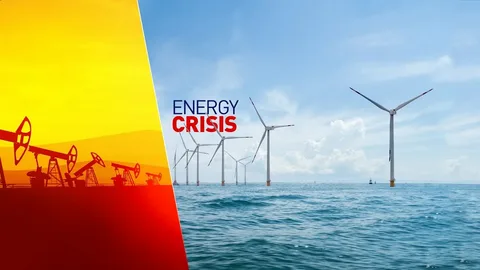
The energy crisis catalyst is increasingly shaping global economies, forcing governments to rethink policies and strategies. From rising electricity costs to fuel shortages, the crisis is not just a challenge but also an opportunity for reform and innovation.
Background
Energy shortages have been a recurring issue in many countries, especially developing economies. Pakistan, for example, has long struggled with power deficits, making ipps and energy crisis in pakistan a widely debated topic.
Historically, reliance on fossil fuels and poor infrastructure planning has contributed to repeated crises. However, the current situation is more complex due to global supply disruptions, climate change, and rising demand.
Understanding the Energy Crisis Catalyst
The term energy crisis catalyst refers to how shortages and rising costs act as triggers for change. Instead of viewing the crisis solely as a problem, policymakers now see it as a driving force for transformation.
Governments are exploring renewable energy, revising contracts with Independent Power Producers, and investing in sustainable solutions. This shift highlights how an energy crisis catalyst can lead to long-term improvements.
Pakistan’s Energy Challenges and IPPs
The debate around ipps and energy crisis in pakistan remains central to understanding the country’s energy issues. IPPs were initially introduced to address power shortages, but long-term contracts and capacity payments have created financial burdens.
As a result, electricity prices have surged, affecting both consumers and industries. The energy crisis catalyst has pushed authorities to reconsider these agreements and seek more balanced solutions.
Global Perspective on Energy Crisis
Globally, the energy crisis catalyst is influencing policy changes and investment trends. Countries are reducing dependence on imported fuels and accelerating the transition to renewable energy sources.
From Europe to Asia, governments are prioritizing energy security. The crisis has highlighted vulnerabilities in global supply chains and the need for diversification.
Insights from Research and Studies
Recent findings in energy crisis research paper publications emphasize the importance of sustainable energy systems. Researchers argue that crises often lead to innovation, encouraging the development of cleaner and more efficient technologies.
Studies also show that the energy crisis catalyst can drive behavioral changes, such as reduced consumption and increased efficiency. These shifts contribute to long-term sustainability goals.
Quotes from Experts
Energy experts believe the crisis presents both risks and opportunities.
“The energy crisis catalyst is forcing governments to rethink outdated systems and invest in sustainable alternatives,” said an energy policy analyst.
Another expert noted, “In Pakistan, addressing ipps and energy crisis in pakistan is essential for economic stability and long-term growth.”
These insights highlight the dual nature of the crisis as both a challenge and a turning point.
Economic and Social Impact
The energy crisis catalyst has far-reaching effects on economies and societies. Rising energy costs increase inflation, reduce industrial output, and strain household budgets.
In Pakistan, the issue of ipps and energy crisis in pakistan has led to higher electricity bills and public dissatisfaction. Businesses face operational challenges, while low-income households struggle to meet basic energy needs.
Future Outlook
Looking ahead, the energy crisis catalyst is expected to accelerate the shift toward renewable energy. Governments are likely to invest more in solar, wind, and hydropower projects.
Policy reforms, technological advancements, and international cooperation will play key roles in shaping the future energy landscape. The lessons learned from this crisis could lead to more resilient systems.
Conclusion
The energy crisis catalyst is more than just a problem—it is a driver of change. While the challenges are significant, they also create opportunities for innovation, policy reform, and sustainable development.
By addressing issues like ipps and energy crisis in pakistan and embracing insights from energy crisis research paper studies, countries can turn the crisis into a pathway for progress.
FAQs
What is energy crisis in simple words?
An energy crisis occurs when there is not enough energy supply to meet demand, leading to shortages, high prices, and disruptions in daily life.
What are the 7 major sources of energy?
The seven major sources of energy are solar, wind, hydropower, geothermal, biomass, coal, and natural gas.
What are words that relate to energy?
Common words related to energy include power, electricity, fuel, renewable, consumption, efficiency, and sustainability.