
The idea of economic interdependence stability is central to understanding how modern economies function. Countries today are deeply connected through trade, investment, and supply chains, meaning no nation operates entirely on its own.
This growing link between economies has created both opportunities and risks, shaping global stability in powerful ways.

Understanding Economic Interdependence
Economic interdependence refers to a situation where countries rely on each other for goods, services, resources, and financial support. It is a key feature of Globalization, where international cooperation drives growth and development.
In simple terms, nations produce what they are best at and depend on others for the rest, creating a balanced global system.
How It Supports Stability
The concept of economic interdependence stability suggests that when countries depend on each other, they are less likely to engage in conflict. Strong trade relationships encourage cooperation and mutual benefit.
Economic ties can act as a stabilizing force, as disruptions in one country can affect many others, encouraging dialogue instead of confrontation.
Economic Interdependence in Globalization
In the modern world, economic interdependence in globalization is visible in everyday life. Products are designed in one country, manufactured in another, and sold worldwide.
This system increases efficiency and lowers costs but also means that global events can quickly impact multiple economies at once.
Real-World Examples
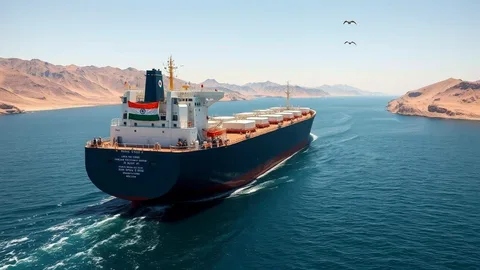
A clear example of economic interdependence stability is global energy trade, where countries rely on each other for oil, gas, or renewable energy resources. Another example is the technology sector, where supply chains span multiple continents.
Even food supply depends on international trade, showing how interconnected economies have become.
Benefits of Economic Interdependence
Economic interdependence brings several advantages, including increased trade, access to diverse resources, and faster economic growth. It allows countries to specialize and improve productivity.
It also promotes cooperation, as nations work together to maintain stable economic relationships.
Risks and Challenges
Despite its benefits, economic interdependence also carries risks. A crisis in one country can spread quickly to others, affecting global markets.
The economic interdependence stability balance can be disrupted by political tensions, trade restrictions, or supply chain breakdowns, making resilience an important factor.
Conclusion
Economic interdependence has become a defining feature of the modern global economy. While it strengthens connections and promotes growth, it also requires careful management to maintain stability.
Understanding economic interdependence stability helps explain how nations interact and why global cooperation remains essential in today’s interconnected world.
FAQs
What is meant by economic interdependence?
Economic interdependence means countries rely on each other for goods, services, and resources, creating mutual economic relationships.
What is meant by economic stability?
Economic stability refers to a steady and predictable economy with controlled inflation, consistent growth, and low unemployment.
What is an example of economic interdependence today?
A common example is global supply chains, where products are made using parts and labor from multiple countries before being sold worldwide.