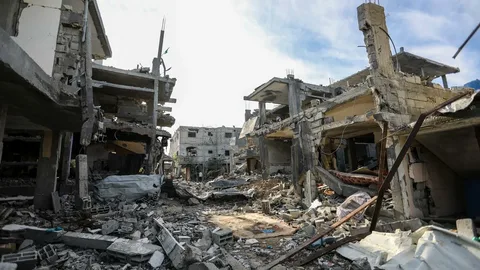

The question of war damage compensation claims often arises after conflicts end, when countries and civilians seek financial recovery for losses caused by war. These claims can include destroyed infrastructure, economic losses, and human suffering.
Understanding who pays and how the process works requires looking at international law, historical precedents, and political agreements.
What Are War Damage Compensation Claims
War damage compensation claims refer to financial or material payments made to repair harm caused during armed conflict. These claims may come from governments, individuals, or international organizations seeking accountability.
Compensation can cover property destruction, civilian losses, and long-term economic damage. However, not all wars result in formal compensation agreements.
Who Pays War Reparations
In most cases, the losing or responsible country is expected to pay compensation. This is known as war reparations — payments imposed after a conflict to address damages caused.
A well-known example is World War I, where Germany was required to pay large reparations under the Treaty of Versailles. These payments were intended to compensate Allied nations for war damage.
How Payments Are Decided
War damage compensation claims are usually settled through treaties, international courts, or diplomatic negotiations. There is no single global system, so each case is handled differently.
Factors that influence decisions include the scale of damage, responsibility for the conflict, and the political balance between countries involved.
Methods of Compensation
Payments are not always made in direct cash. Countries may provide compensation through various methods, including:
- Financial payments over time
- Transfer of resources or assets
- Reconstruction assistance
- Debt relief or economic agreements
In some cases, compensation is symbolic rather than financial, especially when full repayment is not practical.
Modern Examples and Challenges
Modern war damage compensation claims are often more complex due to international politics and economic realities. Not all conflicts end with clear agreements, and some nations resist paying reparations.
Additionally, global institutions like the United Nations may play a role in facilitating discussions, but enforcement remains difficult without mutual agreement.
Impact on Economies and Relations
Reparations can have long-term economic and political consequences. For the paying country, they may create financial strain. For the receiving country, they can support rebuilding and recovery.
At the same time, unresolved claims can lead to ongoing tensions between nations, affecting diplomatic relations for decades.
Conclusion
War damage compensation claims remain a complex and often controversial aspect of post-war recovery. While history provides examples of reparations, each conflict brings unique challenges in determining responsibility and payment methods.
Ultimately, compensation depends on political will, legal agreements, and the broader goal of restoring stability after conflict.
FAQs
What is compensation for war damages?
It is financial or material payment made to cover losses caused by war, including property damage and economic disruption.
Is Germany still paying for WWII damages?
Germany has paid various forms of compensation related to World War II, though most formal reparations agreements have been settled.
What is the money paid after a war?
The money paid after a war is called reparations, which are intended to compensate for damage and losses caused during the conflict.