
Russian missile strikes Ukraine have intensified once again, with Kyiv and several other cities coming under heavy aerial bombardment. The latest attacks have caused casualties, damaged civilian infrastructure, and triggered air raid alerts across multiple regions. At the same time, a Ukraine drone attack on Russia targeted military and industrial facilities, highlighting how the conflict continues to expand beyond traditional front lines.
The renewed violence comes amid growing international concern about regional stability, military escalation, and the possibility that wider geopolitical tensions, including developments linked to Iran News, could further complicate the security situation in Europe and the Middle East.
Background
The Russian Ukrainian war began in February 2022 when Russia launched a large-scale military operation against Ukraine. Since then, both countries have engaged in one of the largest and most destructive conflicts in modern Europe.
Over the past several years, the battlefield has evolved dramatically. Russia has relied heavily on missile attacks, drones, and artillery to target Ukrainian infrastructure and military positions. Ukraine, meanwhile, has expanded its use of long-range drones capable of reaching deep into Russian territory.
The conflict has affected millions of civilians, displaced families, disrupted global food and energy markets, and reshaped international security policies. Western countries have continued to provide military and economic support to Kyiv, while Russia has sought to strengthen strategic partnerships with allies and regional partners.
Russian Missile Strikes Ukraine
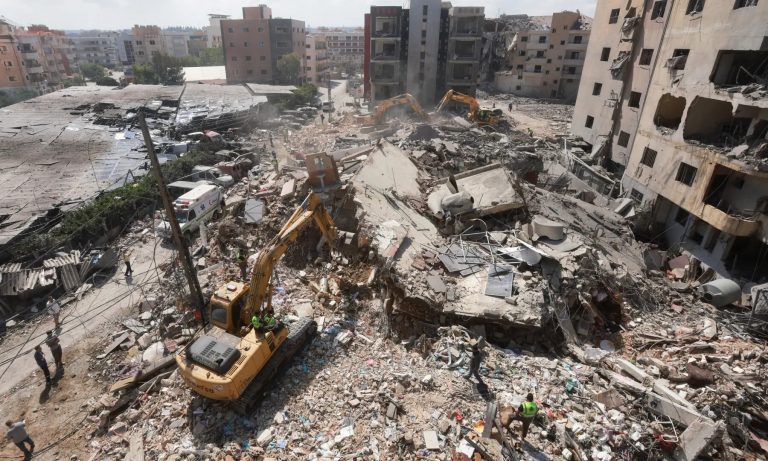
The latest wave of attacks saw Russia launch missiles and drones against several Ukrainian regions. Kyiv bombing today dominated headlines as explosions were reported across the capital following overnight strikes.
According to Ukrainian officials, air defence systems intercepted a number of incoming projectiles, but some missiles successfully reached their targets. Residential buildings, transportation facilities, and energy-related infrastructure were among the locations reportedly affected.
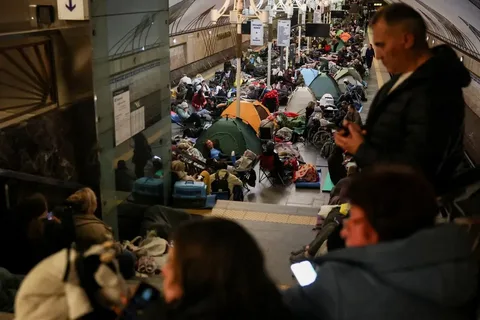
Residents spent hours in shelters as sirens echoed throughout the city. Emergency services responded to multiple incidents, working to extinguish fires and rescue civilians trapped under debris.
Local authorities stated that damage assessments were still ongoing and that casualty figures could change as rescue operations continued.
Kyiv Bombing Today Sparks Fresh Concerns
The Kyiv bombing today has renewed fears regarding the vulnerability of major urban centres. Although Ukraine has strengthened its air defence network with assistance from international partners, large-scale missile barrages continue to pose significant challenges.
Military analysts note that missile attacks often aim to overwhelm defensive systems through the simultaneous launch of multiple projectiles and drones. Such tactics increase the likelihood that some weapons may evade interception.
The attacks also create psychological pressure on civilians who have endured repeated air raid warnings and disruptions to daily life since the beginning of the Ukraine war.
Schools, businesses, and transportation networks have periodically suspended operations during major attack waves, affecting economic activity and public services.
Ukraine Drone Attack on Russia Expands Conflict
While Russia attacks Ukraine today through missile and drone strikes, Ukraine has continued conducting long-range drone operations against targets inside Russia.
Recent reports indicate that a Ukraine drone attack on Russia targeted facilities believed to support military operations. Russian authorities acknowledged drone activity in several regions and reported that air defence units were deployed to intercept incoming threats.
These operations reflect Ukraine’s broader strategy of extending pressure beyond the battlefield. By targeting logistics hubs, production facilities, and military infrastructure, Kyiv aims to disrupt Russian operational capabilities.
The increasing frequency of drone attacks demonstrates how technology has transformed modern warfare. Relatively inexpensive unmanned systems now play a crucial role in intelligence gathering, reconnaissance, and offensive operations.
Military Strategies Continue to Evolve
The Russian Ukrainian war has become a testing ground for modern military technologies. Both sides have adapted their strategies to counter evolving threats and battlefield realities.
Russia has increased production of missiles and drones while investing heavily in electronic warfare systems. Ukraine has expanded domestic drone manufacturing and improved coordination between intelligence and military units.
Experts believe that technological innovation will remain a defining feature of the conflict. Artificial intelligence, satellite intelligence, electronic warfare, and autonomous systems are expected to play increasingly important roles in future operations.
As both sides continue adapting, the conflict shows little sign of reaching a military stalemate that could force immediate negotiations.
International Reaction
World leaders have closely monitored developments following the latest missile attacks and drone strikes. Several governments condemned attacks on civilian infrastructure and called for greater efforts to protect non-combatants.International organizations have repeatedly emphasized the need to comply with humanitarian law and avoid actions that place civilian populations at risk.
Western allies continue to discuss additional security assistance for Ukraine, including air defence systems and military equipment designed to counter missile and drone threats.At the same time, diplomatic efforts aimed at reducing tensions remain limited due to deep disagreements between Moscow and Kyiv regarding territorial issues and security guarantees.
Connection to Wider Geopolitical Tensions
The renewed escalation in Ukraine comes during a period of broader global instability. Ongoing developments related to Iran News and tensions in the Middle East have raised concerns among policymakers about the possibility of overlapping security crises.
Energy markets remain particularly sensitive to geopolitical events. Any major escalation involving Russia, Ukraine, or Middle Eastern powers could affect oil and gas supplies, leading to economic consequences far beyond the regions directly involved.
Analysts warn that simultaneous conflicts in multiple strategic areas could place additional pressure on international institutions and diplomatic frameworks.For governments around the world, managing these interconnected challenges has become increasingly complex.
Humanitarian Impact
Beyond military and political considerations, the human cost of the Ukraine war remains substantial. Millions of Ukrainians continue to face uncertainty, displacement, and economic hardship.
Communities affected by missile strikes often experience disruptions to electricity, water supplies, healthcare services, and education. Reconstruction efforts face enormous financial and logistical challenges.
Humanitarian organizations continue providing assistance to affected populations, but ongoing hostilities complicate relief operations in many areas.
The long-term social and economic consequences of the conflict are expected to be felt for years, even if active fighting eventually declines.
What Comes Next?
Military experts expect both Russia and Ukraine to continue offensive and defensive operations in the coming months. Missile strikes, drone attacks, and ground combat are likely to remain key elements of the conflict.
Diplomatic breakthroughs appear unlikely in the near future, although international mediators continue exploring opportunities for dialogue. Much will depend on developments on the battlefield, political decisions in major capitals, and broader geopolitical events.
As Russia attacks Ukraine today and Ukraine responds with drone operations inside Russian territory, the conflict remains one of the most consequential international crises of the modern era.
Conclusion
Russian missile strikes Ukraine have once again highlighted the intensity and complexity of the ongoing war. The latest Kyiv bombing today and continued Ukraine drone attack on Russia demonstrate that neither side is prepared to reduce military pressure.
The conflict continues to evolve technologically, politically, and strategically, affecting not only Eastern Europe but also global security, energy markets, and diplomatic relations. With no immediate resolution in sight, the Russian Ukrainian war remains a defining challenge for the international community.
FAQs
Who has a stronger army, Russia or Ukraine?
Russia generally possesses a larger military in terms of personnel, aircraft, tanks, naval assets, and defence spending. However, Ukraine has demonstrated strong battlefield effectiveness through advanced Western military support, innovative drone warfare, motivated forces, and extensive combat experience gained during the war. Military strength is therefore measured not only by size but also by strategy, technology, logistics, and operational effectiveness.
What is Putin’s religion?
Russian President Vladimir Putin identifies with the Russian Orthodox Christian faith. He has frequently spoken about the importance of Orthodox Christianity in Russian history and culture. Religious symbolism and support for the Russian Orthodox Church have played a visible role during his presidency, although political analysts continue to debate the extent to which religion influences government policy.
Can two men marry in Russia?
No. Same-sex marriage is not legally recognized in Russia. Constitutional amendments approved in 2020 formally defined marriage as a union between a man and a woman. As a result, marriages between two men or two women are not legally permitted, and Russia does not recognize same-sex marriages performed in many foreign jurisdictions.