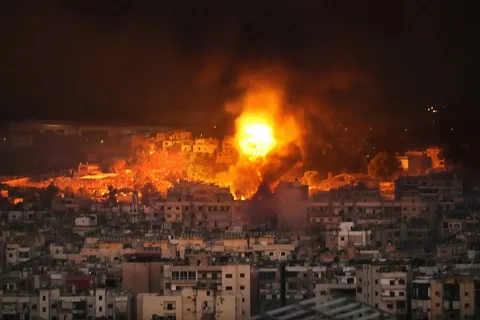

The Israel war economic impact is becoming one of the most discussed international issues in 2025 as military operations in Gaza and tensions with Iran continue to increase financial pressure on Israel’s economy. Analysts say the prolonged conflict is not only affecting regional stability but also damaging trade, tourism, investment, and public finances.
Experts tracking the cost of Israel war per day estimate that billions of dollars have already been spent on military operations, emergency security measures, and reconstruction efforts. The conflict has also raised serious concerns about inflation, debt, and the wider impact of the Israel-Palestine conflict on world economy.
Growing Economic Pressure on Israel
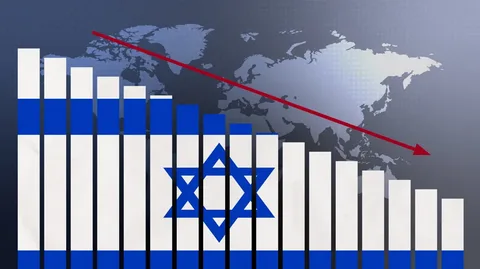
Since the Gaza war intensified, Israel has faced rising military expenses and slowing economic activity. Government spending on defense has sharply increased, while sectors such as tourism, construction, and technology have shown signs of decline.
Several financial analysts publishing Israel war economic impact essays and reports have warned that long-term instability could reduce foreign investment and weaken business confidence. The economic burden has become more visible as reserve military call-ups continue to disrupt labor markets and productivity.
The cost of Gaza war to Israel is also expanding due to infrastructure damage, security operations, compensation packages, and declining commercial activity near conflict zones. Businesses across multiple sectors have reported losses because of supply chain disruptions and reduced consumer confidence.
Cost of Israel War Per Day Continues to Rise
Economic researchers and defense experts estimate that the cost of Israel war per day has reached hundreds of millions of dollars during periods of intense military activity. These expenses include missile defense systems, air strikes, troop mobilization, intelligence operations, and emergency response services.
The Israel war cost tracker maintained by several international research organizations suggests that defense expenditures are now placing long-term pressure on the national budget. Rising borrowing requirements and increased public spending may affect future economic planning.
Reports discussing the Israel war economic impact pdf documents shared by policy institutes also indicate that rebuilding damaged infrastructure and supporting displaced populations could require additional billions in future spending.
How Much Money Israel Lost in War With Iran Tensions
Although Israel and Iran have avoided a full-scale regional war, military confrontations and retaliatory attacks have already produced significant financial losses. Analysts discussing how much money Israel lost in war with Iran tensions estimate that emergency defense responses and security mobilizations have added major costs to the Israeli economy.
Cross-border threats and fears of wider escalation have also affected international trade routes and investor sentiment across the Middle East. Insurance costs for shipping and aviation operations in the region have increased because of security concerns.
Financial experts believe continued regional instability may reduce economic growth projections for several Middle Eastern countries, including Israel.
How Can Israel Afford War?
One of the most searched questions globally is: how can Israel afford war despite growing military expenses? Economists explain that Israel relies on a combination of strong tax revenues, foreign investment, international financial support, and military aid partnerships.
The country also has a developed technology sector and advanced export industries that help generate revenue. However, experts warn that prolonged wars can create unsustainable fiscal pressure if military operations continue for years.
Government borrowing has increased significantly, and some analysts fear rising debt levels could impact future welfare spending and economic reforms. International credit agencies are also closely monitoring the situation.
Gaza War Creates Social and Economic Challenges
The Gaza conflict has affected not only Israel’s economy but also broader regional stability. Businesses in nearby areas have struggled with worker shortages, reduced tourism, and disruptions in transportation systems.
Economic experts say the Israel war economic impact extends beyond direct military spending. Long-term uncertainty is affecting real estate markets, business expansion plans, and international partnerships.
Many small businesses have experienced reduced customer activity, while manufacturers have faced higher logistics and insurance costs. The pressure on public healthcare systems and emergency services has also increased.
Impact of Israel-Palestine Conflict on World Economy
The impact of Israel-Palestine conflict on world economy is becoming increasingly visible through energy markets, global trade, and investor behavior. Oil prices have experienced fluctuations during periods of heightened tensions, creating uncertainty for international markets.
Shipping companies operating near Middle Eastern trade routes have reported increased operating expenses because of security risks. Global stock markets have also reacted sharply during major escalations in the conflict.
Economists say prolonged instability in the Middle East could contribute to inflationary pressure in several countries. Food supply chains, fuel prices, and international transportation networks remain vulnerable to regional conflicts.
Experts Warn About Long-Term Economic Risks
Several economists believe the long-term Israel war economic impact may continue even after active military operations decrease. Recovery costs, debt obligations, and reduced investor confidence could take years to stabilize.
International policy experts publishing Israel war economic impact essay reports argue that economic rebuilding will require both domestic reforms and international cooperation. Maintaining economic growth during extended military conflict remains a major challenge for any country.
Analysts also warn that continued instability may affect youth employment, housing markets, and future foreign direct investment. Technology startups and tourism businesses are already facing uncertainty because of the security situation.
Officials and Analysts React
Israeli officials have defended military spending as necessary for national security and regional defense. Government representatives argue that security threats require immediate action despite the economic burden.
Meanwhile, international economists and humanitarian organizations continue to debate the broader consequences of the conflict. Some experts believe the war could reshape regional economic alliances and trade strategies over the next decade.
Political analysts say future ceasefire negotiations and diplomatic efforts may play a major role in stabilizing both the regional economy and international markets.
Future Outlook Remains Uncertain
The future economic outlook depends heavily on whether tensions in Gaza and the wider Middle East can be reduced. Investors and financial institutions are closely watching developments related to military operations, diplomatic talks, and regional security.
The Israel war cost tracker is expected to continue rising if conflicts expand or persist over the coming months. Economic experts believe governments across the world may also face indirect consequences through energy prices, inflation, and market uncertainty.
As debates continue over the cost of Gaza war to Israel and the broader impact of Israel-Palestine conflict on world economy, policymakers are under pressure to balance security priorities with long-term economic stability.
FAQs
Is Israel’s economy going down?
Israel’s economy has faced increasing pressure because of rising military spending, reduced tourism, slower business activity, and uncertainty caused by regional tensions. While the economy remains active in sectors such as technology and exports, analysts believe prolonged conflict could weaken growth rates and increase national debt. Financial institutions are closely monitoring inflation, public spending, and investor confidence.
How did the Gaza war affect the economy?
The Gaza war affected the economy through higher defense expenses, disrupted supply chains, reduced tourism, worker shortages, and declining business confidence. Several industries experienced financial losses due to instability and emergency security measures. Increased government borrowing and reconstruction costs also added pressure on public finances and long-term economic planning.
What were the economic impacts of the war?
The economic impacts of the war included rising military expenditures, increased inflation risks, damaged infrastructure, slower investment activity, and pressure on global energy markets. International trade routes and transportation costs were also affected. Economists warn that prolonged conflict can create long-term debt challenges and reduce future economic growth across the region.