
American Community Media
National News Briefing Recap
Ebola Outbreak Could Be Worst in History
Experts Warn Bundibugyo Strain, Regional Conflict, and Diaspora Mistrust Are Complicating Response to Deadliest Ebola Crisis in Years
By Staff Report | American Community Media briefing, Friday, June 19, 2026
A national panel of public health, conflict-studies, and diaspora-media experts warned during a June 19 briefing hosted by American Community Media (ACoM) that the 2026 Ebola outbreak sweeping the Democratic Republic of the Congo and Uganda has become one of the most serious Ebola crises ever recorded, fueled by a rare and dangerous viral strain, ongoing armed conflict, and deep mistrust of public health systems in affected communities.
As of mid-June 2026, the World Health Organization had reported nearly 700 confirmed cases and more than 130 deaths from the outbreak, with case counts continuing to climb. The outbreak is caused by the rare Bundibugyo strain of the Ebola virus, for which no approved vaccine currently exists.
Three speakers addressed the crisis from different angles: Dr. William Schaffner of Vanderbilt University School of Medicine covered the clinical and public-health picture; Dr. Rachel Sweet of the University of Notre Dame’s Kroc Institute for International Peace Studies examined how armed conflict in Central Africa is undermining the outbreak response; and Pamela Asobo-Anchang, editor-in-chief and publisher of Immigrant Magazine, discussed how African diaspora communities in the U.S. are perceiving and responding to the outbreak. Sunita Sohrabji of American Community Media moderated.
Public Health Risk to the U.S. “Low, But Watchful” — Dr. William Schaffner
Dr. Schaffner, professor of preventive medicine and infectious diseases at Vanderbilt University School of Medicine, fielded a wide range of questions from reporters on the clinical realities of the outbreak and the risk of spread to the United States.
On U.S. Policy and Foreign Aid Cuts
Reporters repeatedly asked whether the Trump administration’s dismantling of USAID and broader pandemic-response infrastructure has affected the international response to the outbreak. Journalists also asked whether there is empirical evidence linking U.S. global health policy changes to the outbreak’s trajectory.
On Travel Risk and the World Cup
With international travel surging around the 2026 World Cup, reporters asked about the real-world risk of Ebola spreading to the United States, and what precautions American travelers heading to Africa, Asia, or Europe should take. Questions also probed whether the virus could enter the U.S. via travelers who are unknowingly infected, and what protocols are in place to catch and contain such cases.
On Treatment, Immunity, and Vaccines
Reporters asked whether patients can recover from Ebola without medical intervention and whether survivors build lasting immunity, when an approved vaccine against the current Bundibugyo strain might become available, and whether travelers heading to Africa should seek vaccination in advance.
Armed Conflict Is Undermining the Outbreak Response — Dr. Rachel Sweet
Dr. Sweet, assistant professor of global affairs at the University of Notre Dame and a core faculty member of the Kroc Institute for International Peace Studies, addressed how regional warfare in Central Africa is hampering containment and aid efforts.
On the Role of Outside Powers
Reporters pressed Dr. Sweet on what role, if any, the United States has played historically in shaping the internal conflicts now complicating the Ebola response in the region.
On Lessons from 2013–2016
One reporter asked whether health authorities are better prepared this time to prevent the outbreak from spiraling into an epidemic on the scale of the 2013–2016 West Africa crisis, which killed an estimated 11,000 people across Guinea, Liberia, and Sierra Leone.
On Stereotypes and Trust Barriers
Reporters asked Dr. Sweet to elaborate on the stereotypes and cliches that create barriers to effective response, and how the presence of armed security forces shapes what civilians are willing to tell journalists and aid workers during active conflict.
Diaspora Communities Show Mixed, Sometimes Lukewarm Response — Pamela Asobo-Anchang
Asobo-Anchang, editor-in-chief and publisher of Immigrant Magazine, addressed how African diaspora communities in the United States are perceiving and reacting to the outbreak, and the risk of stigma.
On Stigma and Discrimination
A reporter asked whether perceptions about Ebola’s origin could fuel increased discrimination or hostility toward Black Americans and other people of African descent, drawing a parallel to the rise in anti-AAPI sentiment seen during the COVID-19 pandemic.
On Diaspora Engagement and Apathy
Reporters asked why some Ugandan and Tanzanian diaspora communities have shown a relatively lukewarm response to the outbreak, why different African diaspora communities have such contrasting perceptions despite shared geographic ties to the affected region, and whether this kind of muted concern is typical of the broader African diaspora — including whether the Trump-era travel ban registered as a comparable issue of concern. Panelists were also asked what role diaspora communities should play in supporting home countries during disease outbreaks and humanitarian emergencies.
On Building Trust
A reporter closed the session by asking what strategies could help build community trust in health services — a theme that ran throughout the briefing, given the panel’s broader discussion of mistrust toward public healthcare settings in conflict-affected regions.
About the Briefing
The virtual briefing was hosted by American Community Media (ACoM) and moderated by Sunita Sohrabji. Reporters from outlets including La Nueva Voz, India Currents, HispanicLA.com, Te Lo Cuento News, La Opinion, El Informador del Valle, Philippine News Today, the Mississippi Link, AMTV, Peninsula 360 Press, and Kiosko News participated in the question-and-answer session, which was held with simultaneous interpretation offered in Korean, Mandarin, and Spanish.
Media contact: Sandy Close and Sunita Sohrabji, American Community Media
Speaker Biographies
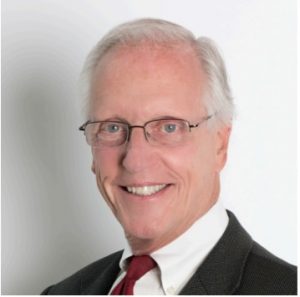 |
Dr. William Schaffner
Dr. William Schaffner is Professor of Preventive Medicine in the Department of Health Policy as well as Professor of Medicine in the Division of Infectious Diseases at the Vanderbilt University School of Medicine, Nashville, Tennessee. After graduating from Yale in 1957, Schaffner attended the University of Freiburg, Germany as a Fulbright Scholar. He graduated from Cornell University Medical College in 1962 and completed residency training and a Fellowship in Infectious Diseases at Vanderbilt. |
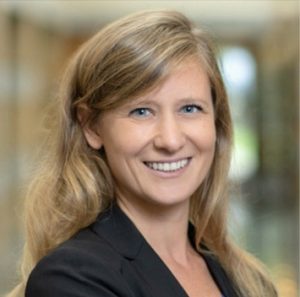 |
Dr. Rachel Sweet
Rachel Sweet is assistant professor of global affairs at the University of Notre Dame. She is a core faculty member of the Kroc Institute for International Peace Studies, part of the Keough School of Global Affairs. She also is a concurrent faculty member with the Department of Political Science. |
Sweet’s research focuses on armed conflict, governance and state capacity in fragile environments, and the methodology and data of studying civil wars and armed violence. Drawing on four years of research in East and Central Africa, she uses armed groups’ original financial and administrative records and in-depth interviews to generate new understandings of the logic of rebel control and state survival amidst insecurity.
Her book manuscript, “Violent Institutions: Rebellion, Bureaucracy, and State Capture in the Congo,” examines the varied relationships that form between armed groups and low-level state administrators during war. It probes how rebels’ use of pre-existing bureaucratic offices for taxation and surveillance reshape state institutions, embed violence networks within the state, and provide rebels legitimation to international audiences.
Sweet bridges academic rigor with practical engagement to improve conflict policy. She has worked with the United Nations Office of the Secretary General-Special Envoy to the African Great Lakes as an armed group expert, as a conflict expert with the United Nations Peacekeeping Mission, and as a lead conflict investigator with the Congo Research Group and the British Foreign and Commonwealth Office. She has been featured in the New York Times, on National Public Radio, and by the British Broadcasting Corporation. She completed her PhD at Northwestern University in 2017.
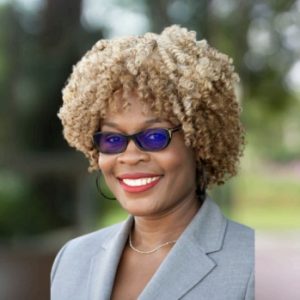 |
Pamela Asobo-Anchang
Pamela Asobo Anchang is an award-winning journalist, media host, and Founder of The Immigrant Magazine, where she has spent more than two decades amplifying immigrant voices and reshaping public narratives through impactful storytelling. Through IMMI-MEDIA, she helps corporations, nonprofits, and media brands authentically connect with the $1.6 trillion immigrant market through culture, community, and trusted multicultural engagement. |
Her work has earned the International Reporting Broadcast Award, Special Media Recognition, and honors from the City of Los Angeles, and has been featured by The Los Angeles Times, NPR, The Africa Channel, and Voice of America. As a host and producer, she leads conversations that foster understanding, strengthen communities, and help organizations build lasting trust with diverse audiences.