Iran-US peace talks have moved to the center of global attention as diplomats on both sides push to bring down temperatures in a Middle East that has rarely felt more volatile. The discussions are unfolding against a backdrop of deep mutual distrust, with relations between Tehran and Washington under strain from multiple directions at once.
Whether negotiations can hold and whether they can actually prevent further escalation is the question world leaders are asking most urgently right now.
Background
The friction between Iran and the United States is not new. It has been building for decades across disputes over nuclear policy, competing regional ambitions, and broader security disagreements. The current round of talks is the latest in a long series of attempts to carve out a diplomatic path through what has historically been very difficult terrain.
Adding to the complexity is the shadow of Iran-Israel tensions, which have made an already delicate situation considerably more fraught. International leaders have grown increasingly vocal about the risk that localized flare-ups could spiral into something far larger and harder to contain. The US and Iran have previously managed to keep communication alive through indirect channels, and those same channels are being used again now — with a focus on lowering the temperature and testing whether any durable agreement is within reach.
Iran-US Talks in Switzerland
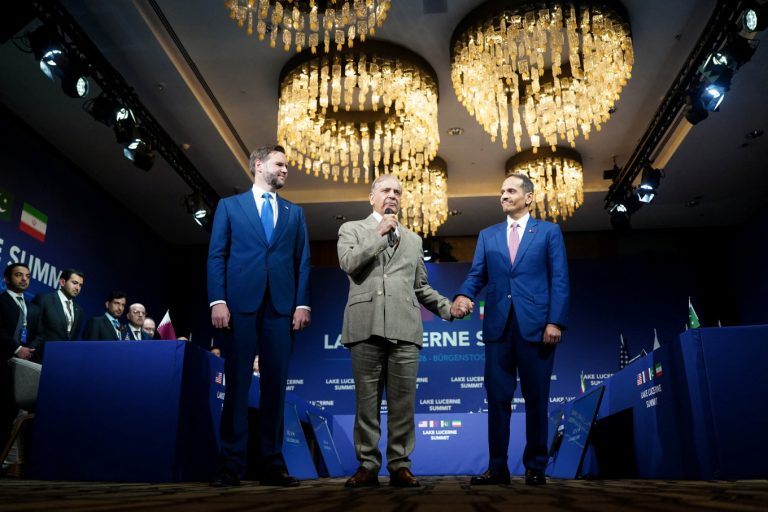
Switzerland’s involvement in hosting diplomatic contacts between Washington and Tehran has drawn considerable attention, which is not surprising given the country’s long track record as a neutral venue for exactly this kind of sensitive engagement. When two governments lack formal diplomatic relations, a trusted third-party setting matters and Switzerland has filled that role repeatedly over the years.
Officials on both sides have maintained that keeping lines of communication open is valuable in itself, regardless of whether any particular round of talks yields a breakthrough. The logic is straightforward: dialogue reduces the risk of miscalculation, and miscalculation in this part of the world carries very high stakes.
Both delegations continue to arrive at the table while also continuing to press their core positions, which means progress has been measured and at times difficult to discern from the outside.
Regional Pressures and the Risk of Wider Conflict
The broader Middle East context is not making any of this easier. Tensions across the region have remained elevated, and each new incident or rumor of one sends analysts back to their maps and worst-case scenarios.
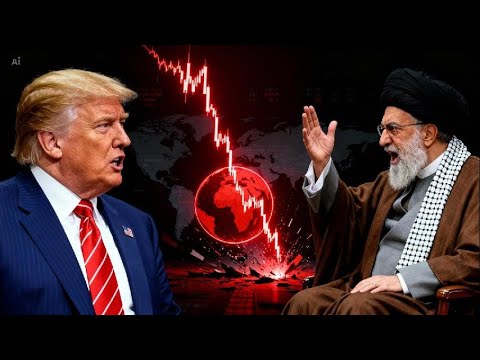
The prospect of direct military confrontation between Iran and the United States is something governments around the world are working hard to avoid. Such a conflict would not stay confined to its immediate geography. Energy markets would be hit immediately, given the region’s centrality to global oil and gas supply. Trade routes would be disrupted. The economic and humanitarian fallout would extend well beyond the countries directly involved, and the security implications would be felt globally.
International organizations have continued to call for restraint from all parties, and there are signs that most regional actors, whatever their private calculations, understand the cost of full-scale escalation.
Challenges Facing the Negotiators
Progress in the Iran talks has not been smooth, and no serious observer expected it to be. The disagreements between Tehran and Washington run deep on nuclear questions, on regional influence, on the fundamental issue of trust and bridging those gaps requires more than a willingness to sit across a table.
There have been moments of public friction, with reports of walkouts or suspended sessions at various points. Diplomats and analysts who have followed these negotiations closely tend to treat such episodes as part of the process rather than evidence that talks have collapsed. Countries routinely step back from difficult negotiations, recalibrate, and return when the conditions are right. The measure of whether diplomacy is truly failing is whether channels close permanently and that has not happened.
What the talks ultimately need is sustained political will on both sides, combined with enough mutual trust to allow for genuine compromise. Neither has been easy to generate.
What Officials and Analysts Are Saying
The consistent message from diplomatic circles is that talking matters, even when agreement feels distant. Officials from multiple governments have argued that direct or indirect communication between rival powers is itself a form of crisis management it prevents the kind of dangerous misreading of intentions that can turn a standoff into a confrontation.
Regional powers also have a stake in the outcome and, according to analysts, an underappreciated role in shaping it. Countries neighboring Iran and those with deep ties to Washington have quiet influence over whether the diplomatic environment becomes more or less conducive to progress.
What Is at Stake Globally
The outcome of these talks will ripple outward. A genuine diplomatic breakthrough even a partial one could stabilize the region and create space for broader cooperation on issues where Iran, the US, and others have overlapping interests. It could also ease pressure on energy markets and reduce the security burden on countries throughout the Middle East and beyond.
The alternative is less appealing. A breakdown in talks, particularly if accompanied by military incidents, would increase uncertainty across the board. Europe, Asia, and the Gulf states are all watching carefully, calibrating their own positions based on how the US-Iran relationship develops.
Iran-Israel Relations and the Bigger Picture
The relationship between Iran and Israel sits at the heart of the region’s instability and is impossible to separate from the US-Iran dynamic. Tehran and Jerusalem have no diplomatic relations, hold fundamentally opposed visions for the region, and have engaged in a sustained shadow conflict through proxies and covert operations.
The international community’s push for negotiated solutions between Iran and the US is partly driven by the hope that reducing one major axis of tension could help ease others. Leaders who have called for restraint understand that the Iran-Israel dimension makes any escalation particularly dangerous, given Israel’s treaty relationships and Iran’s network of regional allies.
What Comes Next
The trajectory of Iran-US diplomacy over the coming weeks will depend on whether both governments can sustain engagement through the political pressures they each face domestically and regionally.
Negotiations may continue through existing indirect channels, or new formats may emerge. International mediators including but not limited to Switzerland — could become more active if direct communication becomes harder to maintain. The role of third parties in keeping talks alive during difficult periods has been significant historically and may prove significant again.
Most observers are cautious about predictions. The conditions for a deal remain complicated, but the conditions for total diplomatic collapse have not yet materialized either. That ambiguity is where the situation currently sits.
Conclusion
Iran-US peace talks represent one of the most consequential diplomatic efforts underway in the world today. They are happening in a difficult moment, between two governments with a long and complicated history, in a region where the margin for error is very small.
The disagreements are real and substantial. But the channel remains open, and the international community continues to invest in the belief that a negotiated outcome however imperfect is better than the alternative. The coming weeks will test whether that belief is well-founded.
FAQs
What is the issue between the U.S. and Iran?
The tensions between the United States and Iran trace back decades and cover a range of disputes: Iran’s nuclear program, its regional influence through proxy networks, competing security interests, and deep political mistrust built up over years of confrontation and failed diplomacy. The current Iran-US peace talks represent an effort to address at least some of these disagreements through negotiation rather than confrontation.
Who is stronger, Israel or Iran?
The comparison is not straightforward. Israel has highly advanced defense technology, tight operational security, and strong alliances particularly with the United States. Iran has significant advantages in size, population, regional reach, and the depth of its proxy network across the Middle East. Any direct conflict between the two would involve a complex interplay of these factors, and most serious analysts are reluctant to frame it as a simple strength comparison.
Who is leading U.S. talks with Iran?
The negotiations are handled by senior American foreign policy officials, with the specific personnel varying depending on the administration and the format of any given round of talks. International mediators have also played important supporting roles, particularly when direct communication between the two governments is not possible.