

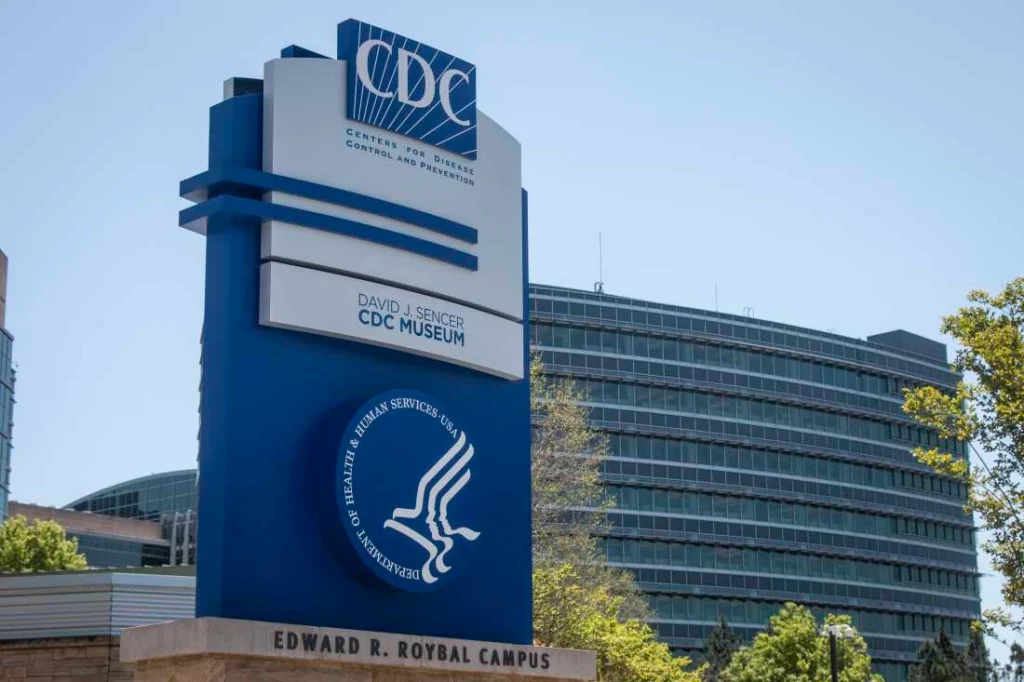
The US Centers for Disease Control and Prevention (CDC) is monitoring a rise in cyclosporiasis cases across 31 states, with health officials urging the public to take precautions against the foodborne parasitic infection.
The Centers for Disease Control and Prevention (CDC) is tracking 843 confirmed cases of cyclosporiasis across 31 U.S. states, including two reported cases in New Hampshire, according to the latest public health data.
Cyclosporiasis is an intestinal infection caused by the parasite Cyclospora cayetanensis, which is commonly spread through contaminated food or water, particularly unwashed fresh fruits and vegetables. The illness can cause watery diarrhea, fatigue, dehydration, nausea, vomiting and stomach cramps, with symptoms that may last for several weeks if left untreated.
Health officials in New Hampshire said the state has historically recorded between two and nine cases each year over the past five years. While the infection is not new, medical experts say increased awareness and surveillance have brought greater attention to the disease this year.
Dr. Dilip Yarabothu, Medical Director of Southern New Hampshire Health Immediate Care, said healthcare providers are being more vigilant in identifying the infection as public awareness grows.
Doctors note that cyclosporiasis is treatable with antibiotics, but symptoms can persist much longer if patients do not receive appropriate treatment. Diagnosing the illness can also be challenging because Cyclospora is not detected through routine parasite screening. Instead, patients often require specialized laboratory testing, and multiple stool samples collected over several days may be needed because the parasite is shed intermittently.

Health experts recommend thoroughly washing fresh produce, practicing good food hygiene and seeking medical attention if persistent diarrhea or other gastrointestinal symptoms develop after consuming fresh fruits or vegetables.