
Ukrainian President Volodymyr Zelenskyy met this week with Laura Loomer, a far-right American activist and close ally of President Donald Trump, in a meeting that could reshape how parts of Trump’s base view US and Ukraine relations 2026. Loomer had spent years dismissing Russia’s invasion, but reversed course after visiting Kyiv and experiencing an air raid firsthand.
Background
To understand why this meeting matters, it helps to look at when did the U.S. and Ukraine become allies in a meaningful sense. Formal ties trace back to December 1994, when the United States, Russia, and the United Kingdom signed the Budapest Memorandum, under which Ukraine gave up the world’s third-largest nuclear arsenal in exchange for security assurances protecting its independence and borders.
US involvement in Ukraine before 2014 remained largely diplomatic and economic, focused on nuclear disarmament, democracy support, and trade ties following the Soviet collapse. That changed dramatically after Russia annexed Crimea in March 2014 and backed separatist fighting in eastern Ukraine, a direct violation of the Budapest commitments that pushed Washington toward closer military and financial cooperation with Kyiv.
Russia’s full-scale invasion in February 2022 transformed the relationship further, turning Ukraine into the central focus of US foreign policy in Europe. Billions of dollars in military aid, intelligence sharing, and diplomatic backing followed under the Biden administration, cementing Ukraine USA cooperation at a scale not seen since the Cold War’s end.
Details
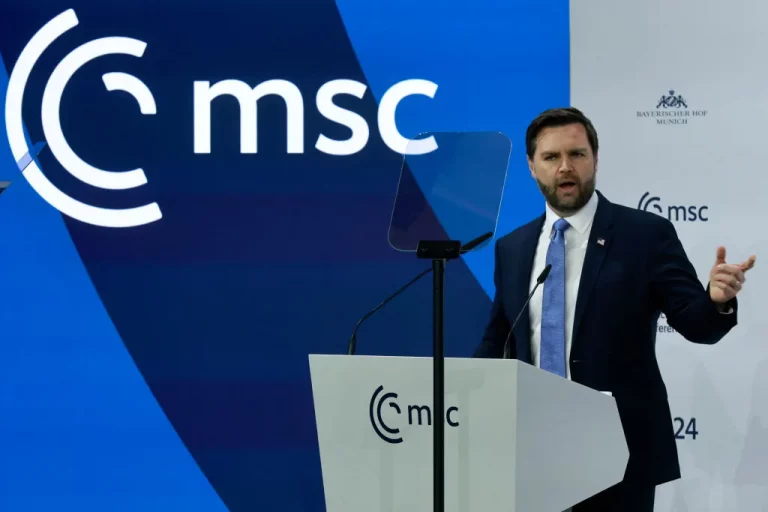
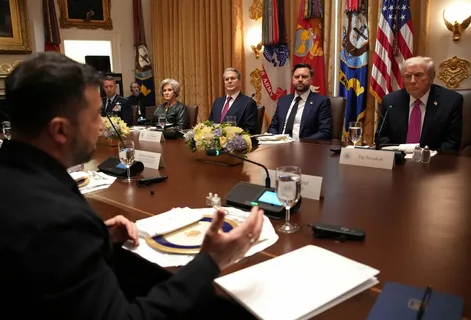
Under the current Trump administration, US Ukraine relations 2026 have followed a more turbulent path. Trump and segments of his political base expressed skepticism about continued aid, particularly during the Biden years, and tensions boiled over in a heated Oval Office meeting between Trump, Vice President JD Vance, and Zelenskyy. Vance was among the earliest and most vocal critics of ongoing US military assistance.
Despite that friction, Trump said last month he would allow Ukraine to build Patriot missile systems domestically for its own air defense, a notable shift from earlier hesitance. Against this backdrop, Loomer’s visit to Ukraine this week carries added significance, since she has been an outspoken and influential voice within Trump’s coalition.
Loomer traveled to Kyiv and, after experiencing an air raid siren, posted on social media that she had been wrong to minimize Russia’s invasion. She later sat down with Zelenskyy for an interview on her Rumble show “Loomer Unleashed,” also visiting the Dormition Cathedral at the Kyiv-Pechersk Lavra, a religious site damaged in a Russian strike last month.
Are US and Ukraine friends in a formal alliance sense remains a nuanced question. Ukraine is not a NATO member and has no mutual defense treaty with Washington, meaning US support has instead come through direct military aid packages, arms sales, and political backing rather than a binding security guarantee.
Quotes
Loomer wrote on social media after her first air raid experience in Kyiv that sirens blaring is an everyday reality for every Ukrainian, adding that she regretted previously saying she didn’t care about the war.
Zelenskyy’s office, through spokesperson Dmytro Lytvyn, said it was important that Loomer see events in Ukraine with her own eyes, thanking her for having the courage to visit despite Russian propaganda and the risk of air raid sirens.
Trump reacted to a preview of Loomer’s interview by calling it “Very good!!!” in a social media post, signaling at least tacit approval from the president himself for Loomer’s changed stance.
Impact
The shift could carry real political weight. The skepticism toward Ukraine that Loomer once echoed has also been shared by other influential conservative commentators, including Tucker Carlson, and became a genuine point of tension between more traditional Republicans and Trump’s core MAGA base.
If Loomer’s reversal encourages even a portion of that skeptical base to reconsider its stance, it could ease pressure on the Trump administration regarding future aid decisions. Her large following, nearly 2 million people on X, gives her outsized influence over how parts of the political right perceive the war.
On the battlefield itself, the question of who is winning the war in Ukraine remains contested and depends heavily on the metric used. Independent assessments from groups like the Institute for the Study of War found that Russia’s spring-summer 2026 offensive gained only a fraction of the territory it captured over the same period in 2025, with Ukrainian forces reportedly recapturing more than 600 square kilometers of territory by early June. Neither side currently appears capable of a decisive breakthrough, and the conflict has increasingly become a war of attrition fought through drones, long-range strikes, and logistics targeting rather than large territorial gains.
Conclusion
Whether Loomer’s visit produces any lasting shift in Washington’s approach to Ukraine remains to be seen, and the White House has not yet formally responded to her trip. Still, her reversal adds a notable data point to the broader, often unpredictable story of US and Ukraine relations 2025 and 2026 a relationship that started with Cold War-era disarmament diplomacy and, three decades later, looks nothing like anyone in 1994 would have expected.
With battlefield momentum currently favoring neither side decisively, and political dynamics inside Washington still shifting, future developments in Ukraine USA cooperation will likely continue to hinge as much on domestic American politics as on events on the ground in Ukraine itself.
Frequently Asked Questions
Is Ukraine allies with the USA?
Ukraine is not a formal treaty ally of the United States in the way NATO members are bound by mutual defense obligations, but the two countries have developed what amounts to a close strategic partnership since Russia’s 2014 annexation of Crimea and especially since the 2022 full-scale invasion. This relationship is built on billions of dollars in military aid, intelligence sharing, arms sales, and diplomatic support rather than a binding mutual defense treaty, meaning the US is not legally obligated to enter the war on Ukraine’s behalf even though it has provided extensive support.
When did Ukraine become a U.S. ally?
The relationship’s foundation dates to December 1994, when Ukraine, the United States, Russia, and the United Kingdom signed the Budapest Memorandum, under which Ukraine surrendered its nuclear arsenal in exchange for security assurances respecting its sovereignty and borders. However, the partnership only deepened into substantial military cooperation after Russia’s 2014 annexation of Crimea, and it expanded dramatically into full-scale wartime support following Russia’s large-scale invasion in February 2022, which is when most people would consider the modern US-Ukraine alliance to have truly taken shape.
Why did Trump stop helping Ukraine?
Trump and parts of his political coalition expressed longstanding skepticism about the scale of US military aid to Ukraine, arguing during the Biden administration that continued funding wasn’t clearly in America’s direct interest and that a negotiated settlement should be prioritized over prolonged military support. This tension became public during a tense Oval Office meeting between Trump, Vice President JD Vance, and Zelenskyy, though the administration’s position has shifted over time, including Trump’s recent decision to allow Ukraine to build Patriot missile defense systems domestically, suggesting the relationship remains fluid rather than fixed in either direction.