
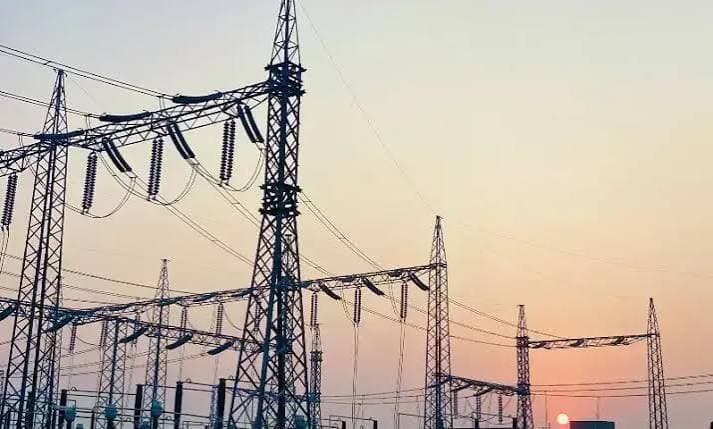

The regulator has raised the provisional rate for extra industrial and agricultural electricity use from Rs22.98 to Rs25.30 per unit, effective from the November 2026 billing cycle. The decision was carried by the chairman’s casting vote, while two members recorded dissenting notes. The Power Division says this is a marginal rate and not the regular industrial tariff. pakistantimespakistantimes
Background: How the Incremental Consumption Package Began
In December 2025, the regulator approved a concessional rate for additional electricity consumed by industries and farms. The package set the rate for those extra units at Rs22.98 for both sectors, compared with Rs38 per unit for agriculture and Rs34 per unit for industry. pakistantimes
The idea was simple. If a factory used more power than before, the extra units would cost less. The government hoped this would lift production, protect jobs and make local goods more competitive. Manufacturers had long complained about high power costs, and this package was meant to ease that pressure.
Since then, the cost of producing electricity has moved. The Power Division argues the package needed a review because marginal generation costs have increased. That review is what led to the latest decision by the regulator.
Details: What Happened With the NEPRA Industrial Tariff
The Rs2.32 Increase and the Casting Vote
NEPRA approved a Rs2.32 per unit increase in the discounted rate and sent the decision to the federal government for further action. The new figure of Rs25.30 is provisional. It means industries that consume more than their usual load will now pay more for each extra unit than they did under the earlier package. pakistantimes
The authority’s members were split, and Chairman Waseem Mukhtar used his casting vote to break the deadlock and approve the revised rate. He also chose to continue the package, giving the Power Division another chance to submit the information still required. bloompakistanpakistantimes
How the Marginal Cost Was Calculated
The Power Division recommended the higher rate in a submission on October 23. Its power purchasing arm calculated an interim figure by updating fuel prices in the generation mix that was assumed when the scheme was first designed. pakistantimes
NEPRA’s own tariff team initially estimated the marginal cost at about Rs31.83 per unit after losses, and the figure fell to Rs29.65 after certain operational and must purchase tags from the system operator were included. Both numbers sit well above Rs25.30, which is why the decision drew criticism. pakistantimes
Quotes and Statements From Officials and Industry
Power Division Clarification
The Power Division pushed back on reports that industrial tariffs had gone up sharply. A spokesperson said Rs25.30 is a revised marginal rate under the Incremental Consumption Package and should not be confused with the regular industrial tariff. techjuice
The spokesperson added that the industrial tariff is lower by about Rs18.94 per unit, including taxes, compared with March 2024, and that the average industrial rate in October 2026 was Rs34.40 per kWh before taxes. The division also said industrial users received discounts of Rs5 to Rs10 per unit on incremental consumption. apptechjuice
Dissent and Industry Concerns
Two members, Amna Ahmed and Maqsood Anwar Khan, disagreed with the revised rate. They argued that the government should not shift the cost of its delayed review onto other electricity consumers, and they wanted the package suspended instead. They also warned that a marginal cost of Rs29.65 exceeds the standard off peak tariff and could weaken the incentive to use more grid power. bloompakistanpakistantimes
Industry voices echoed the concern. The president of the SITE Association of Industry said the revised rate would leave other consumers bearing part of the cost through fuel cost adjustments. Notably, all four members held the Power Division and its subordinate entities responsible for missing legal deadlines. dailypakistanbloompakistan
For more business and economy coverage, visit South Asian Chronicle.
Impact on Industry, Agriculture and Households
For factories, the effect depends on how much extra power they use. A unit consumed above the baseline now costs Rs2.32 more than before, so industries that planned expansion around the old rate may need to revisit their budgets. Smaller units with modest growth may feel less pressure.
Farmers who use additional electricity for tube wells and processing face the same revised rate. Because the package covers both sectors, any change in marginal cost reaches agriculture as well as industry. Exporters will watch closely, since energy cost is a key part of pricing in global markets.
Households are not directly charged this rate, but the debate over who carries the cost matters to them. If a discount is priced below actual cost, the gap can show up elsewhere in the system. Separately, November bills also include a fuel adjustment of Rs2.3673 per unit for September, which is a different charge from this package. pakistantimes
Readers who follow electricity tariff news will recognise how closely power pricing and industrial growth are linked in Pakistan.
Conclusion: What to Expect Next
The revised Rs25.30 rate is provisional, so the story is not over. The federal government still has to act on NEPRA’s decision, and the Power Division must supply the missing information. A final order could change the number again.
Industry groups are likely to keep pressing for a rate that protects competitiveness, while the dissenting members will keep questioning who should pay for the gap. Stay with South Asian Chronicle for further updates on the NEPRA industrial tariff and related power sector decisions.
Frequently Asked Questions (FAQs)
1. What is the new NEPRA industrial tariff for extra electricity use?
NEPRA has provisionally set the rate for additional electricity used by industrial and agricultural consumers at Rs25.30 per unit. It replaces the earlier Rs22.98 rate under the Incremental Consumption Package. The change applies from the November 2026 billing cycle and still depends on action by the federal government.
2. Is Rs25.30 the regular industrial electricity tariff in Pakistan?
No. The Power Division has clarified that Rs25.30 is a revised marginal rate for extra consumption, not the standard industrial tariff. It said the average industrial rate in October 2026 was Rs34.40 per kWh before taxes, and that the overall industrial tariff is about Rs18.94 per unit lower than in March 2024.
3. Why did NEPRA raise the rate from Rs22.98?
The Power Division recommended the increase after updating fuel prices in the generation mix assumed when the package was designed. It argues that marginal generation costs have risen. NEPRA’s own tariff team had estimated the marginal cost much higher, at around Rs29.65 to Rs31.83 per unit, so the rate remains below that estimate.
4. Why did two NEPRA members oppose the decision?
Amna Ahmed and Maqsood Anwar Khan said the revised rate was unjustified. They argued that the government should not push the cost of its delayed review onto other consumers, and they recommended suspending the package. They also warned that a high marginal cost could discourage industries from using more grid electricity.
5. Who will be affected by the revised rate?
Industrial and agricultural consumers who use more electricity than their baseline will pay the new rate on those extra units. Regular tariffs for these sectors stay unchanged, according to the Power Division. Other consumers could be affected indirectly if part of the cost is recovered through fuel cost adjustments, as industry groups have warned.