
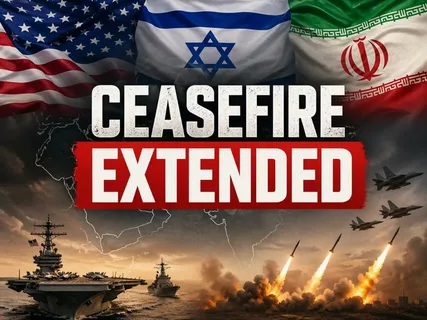
The US Iran war has entered one of its most dangerous phases yet. After a fragile ceasefire collapsed earlier this month, the United States has carried out 13 consecutive nights of airstrikes against Iran as of July 24, 2026. President Donald Trump says the US and Iran remain in active talks, but Iran’s military officials are pushing back hard and the Strait of Hormuz remains a flashpoint that is shaking energy markets worldwide.
Background: How the US Iran War Began
The roots of this conflict go back to February 28, 2026, when the United States and Israel launched coordinated airstrikes against Iran, targeting its nuclear program and military infrastructure. The US described the operation as a campaign to eliminate threats from the Iranian regime and push for regime change. Iran’s Supreme Leader Ali Khamenei was killed in those initial strikes a moment that fundamentally changed the dynamics of Middle Eastern politics overnight.
Iran hit back with force. Missile and drone strikes targeted US military bases, embassies, and oil infrastructure across the region, including in Saudi Arabia, Qatar, the UAE, Kuwait, Bahrain, Iraq, and Jordan. Most critically, Iran shut down the Strait of Hormuz a narrow waterway through which roughly 20 percent of the world’s oil supply flows. That decision triggered what Gulf states called the worst global energy crisis in decades, sending oil prices surging past $100 per barrel and pushing US inflation to its highest level in years.
The US Iran war escalations that followed were rapid and intense, drawing in proxy forces, regional governments, and international mediators in an effort to pull both sides back from the brink of all-out conflict.
The Ceasefire That Crumbled
In early April 2026, Pakistan stepped in as a key mediator and brokered a breakthrough. After President Trump threatened Iran with destruction if it did not reopen the Strait of Hormuz, Pakistani Prime Minister Shehbaz Sharif and Army Chief Field Marshal Asim Munir personally called Trump and persuaded him to pause military action. On April 8, 2026, both Washington and Tehran agreed to a two-week ceasefire.
Trump called it a “big day for World Peace.” He said Iran’s 10-point proposal formed a “workable basis” for a long-term agreement. The ceasefire, mediated through US-Iran talks in Pakistan, raised hopes that a diplomatic exit from the war was within reach.
But those hopes did not last. The ceasefire was violated repeatedly by both sides. Skirmishes continued around the Strait of Hormuz as Iran attempted to charge transit fees to commercial vessels passing through something Trump publicly warned against on Truth Social. On April 21, Trump extended the ceasefire indefinitely, yet the underlying tensions refused to fade.
By June, a Memorandum of Understanding between the two sides had temporarily dialed down the fighting. But the agreement collapsed in dispute over the Strait of Hormuz, which Iran continued to control and use as a bargaining chip.
What’s Going On With Iran and US Right Now
The situation as of July 25, 2026, is serious and rapidly evolving. Here is what is happening on the ground.
Since July 7, the US has conducted daily airstrikes against Iran after three commercial ships were attacked near the Strait of Hormuz. Trump declared the ceasefire “over” following those attacks. The US bombing campaign has now run for 13 consecutive nights, targeting Iranian military and strategic assets across the country. Iranian state media has reported explosions in Bandar Abbas, Qeshm, and parts of Hormozgan Province.
The US military has also imposed a naval blockade on Iranian ports, and on July 24, the military disabled a tanker that tried to bypass the blockade. Saudi Arabia launched retaliatory airstrikes against Yemen’s Iran-backed Houthi rebels after the group attacked Saudi vessels in the Red Sea opening yet another front in this widening regional conflict.
In terms of US casualties, nearly 100 American service members have suffered injuries since July 7, mostly described as minor. Three US troops were killed in operations over the weekend of July 19 to 20, following an Iranian strike on Muwaffaq Salti Air Base in Jordan. Secretary of State Marco Rubio called the deaths “heartbreaking” and praised the sacrifice of the fallen soldiers.
Trump on Iran Closing Strait of Hormuz
The Strait of Hormuz has become the single most contested issue in the entire conflict. This narrow passage between Iran and Oman is the gateway for roughly 17 to 20 million barrels of oil per day. Iran’s closure and control of the strait has disrupted global shipping, driven oil prices above $100 a barrel, and sent inflation surging in the United States and Europe.
Trump has been direct and forceful on this issue throughout the US Iran war escalations. In late March, he gave Iran a 10-day ultimatum to either make a deal or open the Strait of Hormuz, warning of devastating military consequences if it refused. When Iran hesitated, he moved the deadline reportedly at Iran’s request and warned that charging transit fees on vessels would not be tolerated.
“There are reports that Iran is charging fees to tankers going through the Hormuz Strait They better not be and, if they are, they better stop now!” Trump posted on Truth Social.
He later declared that reopening the Strait of Hormuz, toll-free, is one of Washington’s primary objectives in the conflict. In June, Trump shifted his position slightly, saying recovering Iran’s enriched uranium was less urgent than reopening the strait, and that Iran could keep ballistic missiles in proportion to its Gulf neighbors. That flexibility was seen as a signal that Washington was willing to negotiate on some points.
On July 24, Trump said the US and Iran are still talking and that Tehran is “getting more serious.” He added: “We could do it in a more rapid fashion, which we might do, or we can negotiate with them, which we’re also doing right now.”
Has Iran Responded to the US Proposal?
Iran’s response to US proposals throughout this conflict has been cautious, conditional, and at times contradictory reflecting the deep internal divisions within Iranian leadership.
When Iran submitted its 10-point peace proposal in April, Trump acknowledged it as a reasonable starting point. But the two sides struggled to move from framework to formal agreement. Iran’s top negotiator told a Pakistani counterpart that Iran would not compromise its “legitimate rights” and expressed deep distrust of the United States. Iran also insisted that US-Iran talks would not begin in earnest until Lebanon saw a separate ceasefire and Iranian assets frozen by the US were unfrozen.
When Trump said on July 24 that Iran is “getting more serious,” an Iranian military official dismissed the remark almost immediately. The official said Iran did not recognize that characterization as accurate and, in a striking statement, said Iran would welcome the prospect of an American ground invasion — signaling that at least some factions in Tehran remain deeply defiant.
Iran has also blamed the US for the Hormuz dispute, arguing that it is Washington’s aggression and failure to honor its own commitments that has driven the latest escalation. Iranian officials told state media that the US violated the terms of their Memorandum of Understanding first, forcing Iran to suspend its own commitments in return.
What’s going on with Iran and US is essentially a cycle of each side blaming the other for breaking agreements, while military operations continue on both fronts.
The Role of Pakistan in US-Iran Talks
Pakistan has emerged as one of the most consequential actors in the US Iran war not as a combatant, but as a mediator. Pakistan announced the original April 8 ceasefire between the US and Iran, and Pakistani and Qatari mediators have served as the communication bridge between Washington and Tehran throughout the conflict.
In late June, US special envoy Steve Witkoff and Jared Kushner traveled to Doha to lay the groundwork for indirect US-Iran talks facilitated by Qatar and Pakistan. Pakistani and Qatari negotiators held talks with Iranian counterparts on multiple occasions, passing proposals back and forth while maintaining contact with US envoy Witkoff.
Trump himself made calls to Pakistani Prime Minister Shehbaz Sharif as part of his outreach to regional leaders before major diplomatic moves. Pakistan’s unique position maintaining relationships with both the US and Iran while being a nuclear power in the region has made it indispensable to any diplomatic path forward in the US Iran war.
The role of Pakistan in US-Iran talks Pakistan is expected to continue, though the Islamabad talks in April ultimately failed to produce a lasting agreement. Both Qatar and Pakistan remain active as mediators even as the military situation has deteriorated in July.
Impact: What This War Means for the World
The US Iran war has created ripple effects far beyond the battlefield. Oil markets have been upended, with Brent crude trading above $100 per barrel a level that is feeding inflation in the US, Europe, and across the developing world. Supply chains for Asian and European energy importers have been disrupted as tankers avoid the Strait of Hormuz and reroute around Africa.
China has emerged as the main beneficiary of the Strait of Hormuz closure, according to strategic advisory firm The Asia Group in Washington DC, as Beijing locked in alternative energy deals while Western buyers scrambled to replace Iranian and Gulf oil.
Regional states are feeling the pressure. Kuwait, Bahrain, and Jordan have all intercepted Iranian drones and missiles. Saudi Arabia is now actively fighting the Iran-backed Houthis in Yemen following attacks on Saudi shipping in the Red Sea. The Middle East is as unstable as it has been in decades, and the risk of a wider regional war is real.
For the United States, the economic costs are mounting. High oil prices are driving up inflation, and there is growing pressure on the Federal Reserve to respond. American consumers are feeling the impact at gas stations and through rising costs across multiple sectors. The US Iran war has become a domestic economic issue as much as a foreign policy one.
Conclusion: What Comes Next
As of July 25, 2026, the US Iran war shows no clear path to resolution in the immediate term. The US is conducting daily airstrikes while simultaneously maintaining diplomatic contacts through Qatar and Pakistan. Trump says there are multiple exit strategies, diplomatic and military, but has not committed to either. Iran says it is not backing down, yet continues to engage through intermediaries.
The Strait of Hormuz remains closed to regular commercial traffic, and every day that passes without a resolution adds economic pain to both the region and the world. The next major development to watch is whether the US and Iran can agree on a new ceasefire framework one that holds longer than the last. Both sides have shown they can reach an agreement in principle. The challenge is building one that neither side walks away from when it becomes inconvenient.
Frequently Asked Questions (FAQs)
How many US troops have been killed in the Iran war?
As of mid-July 2026, at least three US service members have been confirmed killed in military operations since July 7, following Iranian strikes on Muwaffaq Salti Air Base in Jordan. Additionally, nearly 100 US service members have suffered injuries since that date, mostly described as minor by the Pentagon. The overall US military death toll for the entire US Iran war, which began in February 2026, includes additional casualties from the earlier phases of combat, though the Pentagon has been cautious about releasing full figures. The deaths of the three soldiers killed over the July 19 to 20 weekend prompted fresh US airstrikes and a warning from Trump that Iran would face strong retribution. Secretary of State Rubio called the deaths “heartbreaking” and said the mission US forces are carrying out is “very, very dangerous.”
Did Iran threaten the Strait of Hormuz?
Yes and Iran did far more than threaten it. When the US and Israel launched airstrikes on Iran on February 28, 2026, Iran retaliated by physically closing the Strait of Hormuz, blocking one of the world’s most vital shipping corridors. The strait is the narrow passage between Iran and Oman through which an estimated 20 percent of the world’s daily oil supply normally flows. Iran used the closure as both a military response and a strategic bargaining tool, hoping to pressure international actors into demanding a ceasefire. Since then, Iran has charged transit fees to some commercial vessels attempting to pass through, something Trump warned against publicly on Truth Social. Iran has also repeatedly attacked ships attempting to bypass its control of the waterway, triggering the latest round of US airstrikes in July 2026. The Strait of Hormuz closure has caused the worst global energy crisis in decades, pushing oil prices above $100 per barrel.
Where is 90% of Iran’s oil?
The vast majority of Iran’s oil reserves estimated at roughly 90 percent are located in the southern Khuzestan Province, which borders Iraq, and in the offshore fields beneath and around the Persian Gulf, near the Strait of Hormuz. The Ahvaz oil field in Khuzestan is one of the largest in the world by reserves. Iran’s offshore fields in the Persian Gulf, including those near the Abu Musa island and the Lavan Island area, also contribute significantly to total production. This geographic concentration of oil wealth close to the Strait of Hormuz is precisely why the waterway is so strategically important to Iran. Controlling the strait gives Tehran direct leverage over its own oil export routes and those of neighboring Gulf states a fact that makes it the central issue in every round of US-Iran talks aimed at ending the current war.