
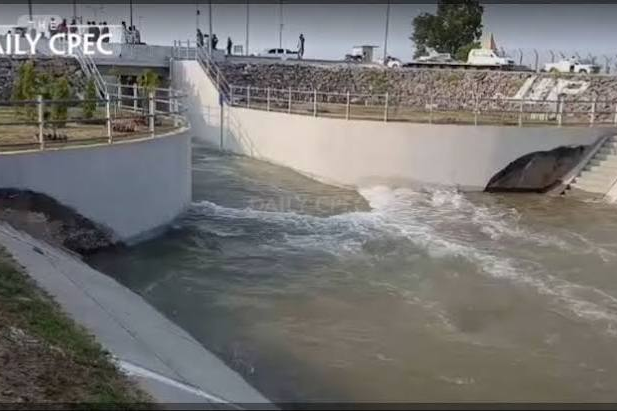

Sindh has rejected a Rs156 billion Wapda drainage plan that could send wastewater into its largest freshwater canal.
Summary of the Dispute
Sindh has opposed the Ghotki Drainage Project, a federally funded Wapda scheme meant to drain parts of Ghotki district. Provincial officials say the plan could push about 3,183 cusecs of wastewater toward the Nara Canal, the province’s largest freshwater perennial canal. The concern has revived a long running debate over how drainage schemes are planned and who bears their cost.
The Nara Canal Area Water Board, a farmers’ forum, is reported to have rejected the proposal first. The Sindh irrigation department followed after reviewing the technical details shared by Wapda. Together, they have made it clear that the province does not accept the plan in its current form.
Background: Why Sindh Is Wary
Memories of Earlier Drainage Projects
Sindh has already lived through the Left Bank Outfall Drain and the Right Bank Outfall Drain, projects that many in the province remember as failures. Critics say LBOD and RBOD failures left lasting damage rather than solving effluent problems. The Left Bank Outfall Drain became a flooding menace in parts of lower Sindh, while the Right Bank Outfall Drain is blamed for harming Manchhar Lake and the livelihoods of fishing and farming families.
A Gap in the Paperwork
The Ghotki Drainage Project has its own paperwork history. Its Environmental Impact Assessment was approved by the Sindh Environmental Protection Agency in June 2024, yet the Sindh irrigation department has questioned it. That gap between approval and objection is now at the center of the argument.
Details of the Ghotki Drainage Project
What the Scheme Covers
The scheme covers Ubauro, Daharki, Khangarh and Mirpur Mathelo. On paper, drainage is a legitimate need, because waterlogging and salinity can damage crops and soil. Sindh does not dispute that need, but it disputes the disposal route.
Why the Nara Canal Matters
The main issue is Nara Canal wastewater. The canal serves farmland across several districts, and officials say it also provides drinking water to roughly 6.61 million people in areas including Sanghar, Mirpurkhas, Umerkot and parts of Benazirabad, as well as Thar communities and Thar Coal power plants.
If wastewater enters such a canal, the quality of water downstream could suffer. Sindh agriculture depends heavily on clean and predictable canal supplies. Any decline in quality could affect crop yields, soil health and the daily lives of people who rely on the canal for drinking water.
What Provincial Officials Fear
A Sindh Irrigation and Drainage Authority official has said the worry goes beyond Ghotki alone. The fear is that the drainage network could later be linked with the ponds of the Salinity Control and Reclamation Project in Rahim Yar Khan, in Punjab. Such a link would turn a local scheme into a much larger regional one.
This is why the SCARP Rahim Yar Khan connection matters. Sindh sits at the tail end of the Indus system, so effluent and water diversions upstream tend to end up on its land. Officials argue that a drainage plan with a possible interprovincial link needs wider consultation than it has received.
The Wapda drainage scheme is also being judged against Wapda’s past record. Analysts have repeatedly argued that the agency’s earlier mega drainage projects were poorly designed and weakly managed. That reputation makes it harder for Sindh to accept assurances without independent review.
Expert Views
Observers say the debate is as much about trust as about engineering. Sindh water rights have been a sensitive subject for decades, and each new federal project is read through that lens. When a province feels excluded from planning, even a technically sound scheme can face strong resistance.
Environmental experts add that drainage projects can bring saline effluent, erosion and health risks if they are not managed carefully. They recommend independent environmental reviews and open consultation with affected districts.
Impact on Agriculture, Water and the Region
Farming and Drinking Water
Agriculture is the backbone of the provincial economy, and the Nara Canal is one of its key arteries. If the canal’s quality or flow is compromised, farmers in Sanghar, Mirpurkhas and Umerkot could face lower yields and higher costs. Because drinking water for millions depends on the same canal, any contamination risk also becomes a public health concern.
Provincial Politics
Disputes over water already strain relations between provinces, and a drainage scheme with possible links to Punjab can add to that tension. Readers who follow regional developments can find more coverage on South Asian Chronicle.
Conclusion: What Comes Next
The next step is likely to be further talks between Wapda, the Sindh government and the federal authorities. Sindh is expected to press for a fresh technical review and a safer disposal plan. Whether the Ghotki Drainage Project proceeds, changes or is shelved will depend on how those talks go.
For now, the province’s message is consistent: drainage must not come at the cost of its freshwater canals. Developments on this and other water stories are tracked in the national news section of our website, and our latest reports will follow the matter as it unfolds.
Frequently Asked Questions
What is the Ghotki Drainage Project?
It is a Rs156 billion federally funded drainage scheme proposed by Wapda for parts of Ghotki district, including Ubauro, Daharki, Khangarh and Mirpur Mathelo. Its purpose is to remove excess water and effluent from farmland. Sindh objects mainly to how and where the wastewater would be disposed of.
Why is Sindh opposing the project?
Sindh says the plan would send around 3,183 cusecs of wastewater toward the Nara Canal, its largest freshwater perennial canal. Officials fear this could harm crops, soil and drinking water. The province also points to the damage it associates with earlier drainage projects.
How does the Nara Canal matter to Sindh?
The canal supports farmland across several districts and supplies drinking water to an estimated 6.61 million people, according to officials. It also serves communities in the Thar region and the Thar Coal power plants. Any change in its water quality could therefore affect agriculture, health and energy related activity.
What are LBOD and RBOD, and why are they mentioned?
They are the Left Bank Outfall Drain and the Right Bank Outfall Drain, earlier drainage projects in Sindh. Critics say poor design and weak management led to flooding in some areas and damage to Manchhar Lake. Their legacy explains why Sindh is cautious about any new Wapda drainage scheme.
What could happen next?
Further talks between Wapda, the Sindh government and federal bodies are expected, and Sindh is likely to demand a fresh technical and environmental review. The project could be revised, delayed or approved after changes. The final outcome will depend on whether a disposal plan acceptable to the province is agreed.