
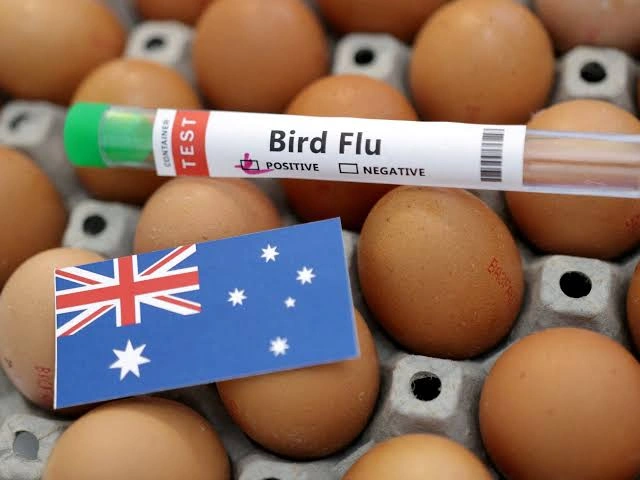
ADELAIDE: Australia has confirmed its first case of H5N1 bird flu in a mammal, after the deadly virus was detected in a long-nosed fur seal found dead in South Australia.
The development comes as Australia continues to deal with a growing outbreak of highly pathogenic avian influenza, which arrived in the country in June and has since spread among wild bird populations.
South Australian authorities confirmed the country’s first mammalian detection after the infected seal was discovered near Beachport, a coastal town about 310 kilometres (192 miles) south of Adelaide.
H5N1 Found in Dead Fur Seal
Authorities said the long-nosed fur seal was found dead without any visible signs of injury.
The seal was one of an estimated population of around 100,000 fur seals living in waters around South Australia.
Officials said there was currently no indication that the animal’s death was connected to other sick or dead marine mammals in the area.
Federal Agriculture Minister Julie Collins said the death did not appear to be associated with other marine mammal deaths.
She warned that once H5 bird flu begins spreading through the natural environment, preventing significant wildlife losses can become extremely difficult.
Australia has recorded a growing number of H5N1 bird flu cases since the virus was first detected in the country in June.
The outbreak initially involved migratory seabirds before spreading to native Australian species.
Earlier this month, Australia reported its first mass deaths of seabirds linked to the virus, marking a significant escalation in the outbreak.
The detection of H5N1 in a mammal now represents another development in the country’s response to the virus.
Nearly 300 Cases Confirmed
According to the Australian federal government, 297 cases of H5N1 have been confirmed nationwide so far.
Despite the spread among wildlife, authorities said the virus has not yet been detected in Australia’s poultry or agricultural sectors.
Keeping the virus out of commercial poultry farms remains a major priority because outbreaks among farmed birds can cause significant animal losses and create serious economic consequences for the poultry industry.
Authorities continue to monitor wild birds and other animals for signs of further infection.
Australia was the last continent to report the current bird flu outbreak, although H5N1 was detected in late 2025 on Heard Island, a sub-Antarctic Australian territory.
According to local media reports, the virus caused the deaths of more than 13,000 baby seals on the island.
The latest detection in a long-nosed fur seal in South Australia therefore adds to concerns about the virus’s ability to affect a wider range of wildlife.
The discovery of H5N1 in a South Australian fur seal is likely to increase monitoring of marine mammals and other wildlife in areas where infected birds have been detected.
Although authorities have not linked the seal’s death to other sick or dead marine mammals, the case demonstrates that the virus has crossed from its primary bird hosts into at least one mammalian species in Australia.
Scientists and wildlife authorities will continue monitoring the situation to determine whether additional mammals become infected.
For now, the Australian government says H5N1 has not entered the country’s poultry or agricultural sectors, while surveillance efforts continue across affected wildlife populations.
The latest case highlights the evolving nature of Australia’s bird flu outbreak and the growing challenge of protecting native wildlife as the virus spreads through the natural environment.