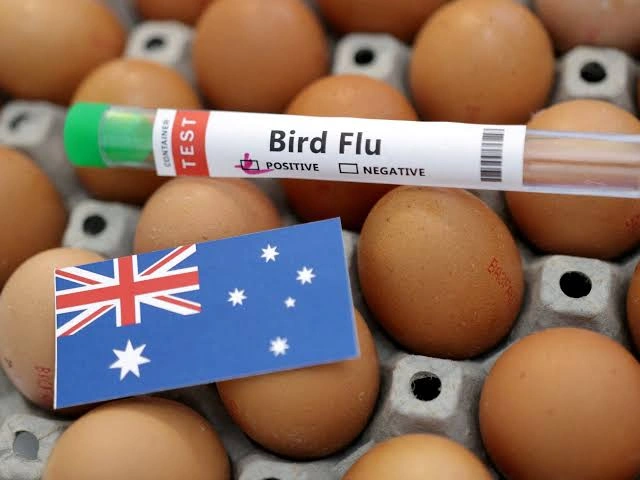
Australia Detects First H5N1 Bird Flu Case in Mammal After Seal Found Dead
Dead long-nosed fur seal in South Australia confirmed with H5N1 bird flu

ADELAIDE: Australia has confirmed its first case of H5N1 bird flu in a mammal, after the deadly virus was detected in a long-nosed fur seal found dead in South Australia. The development comes as Australia continues to deal with a growing outbreak of highly pathogenic avian influenza, which arrived in the country in June and has since spread among wild bird populations. South Australian authorities confirmed the country’s first mammalian detection after the infected seal was discovered near Beachport, a coastal town about 310 kilometres (192 miles) south of Adelaide.…

Read More

Young People Turn to Prescription Drugs for Social Anxiety, Raising Safety Concerns

LONDON: Some young people are turning to prescription medicines bought illegally online as an alternative to alcohol when dealing with social anxiety, raising concerns among health experts about the dangers of unsupervised drug use. Matt, a 22-year-old warehouse worker from northern England whose name has been changed, says he previously relied on alcohol to feel comfortable when going out with friends. Without drinking heavily, he would become extremely anxious and struggle to participate in conversations. He says social situations once left him feeling frightened that he would say something embarrassing…

Read More

Eating at the Right Time May Be Key to Better Health, Research Suggests

For many people, dinner is the largest meal of the day. But scientists studying the relationship between food and the body’s biological clock are increasingly questioning whether that routine is ideal for our health. A growing area of research known as chrononutrition is examining not just what people eat, but when they eat. Researchers say meal timing can interact with the body’s circadian rhythm, potentially influencing metabolism, body weight and cardiovascular health. The idea is particularly interesting when comparing eating patterns in different countries. In Spain, for example, lunch traditionally…

Read More

Fecal Transplants Show Promise in Easing Severe Peanut Allergies

A small pilot study suggests that fecal microbiota transplants (FMT) may help reduce severe peanut allergies by changing the mix of bacteria living in the gut. Researchers studied 10 young adults with severe peanut allergies who could experience reactions after consuming even tiny amounts of peanuts. Participants swallowed frozen capsules containing fecal material from healthy donors, including potentially beneficial gut bacteria. After three months, three participants were able to eat multiple peanuts without experiencing an allergic reaction, according to the researchers. In a second phase, five additional participants received antibiotics…

Read More

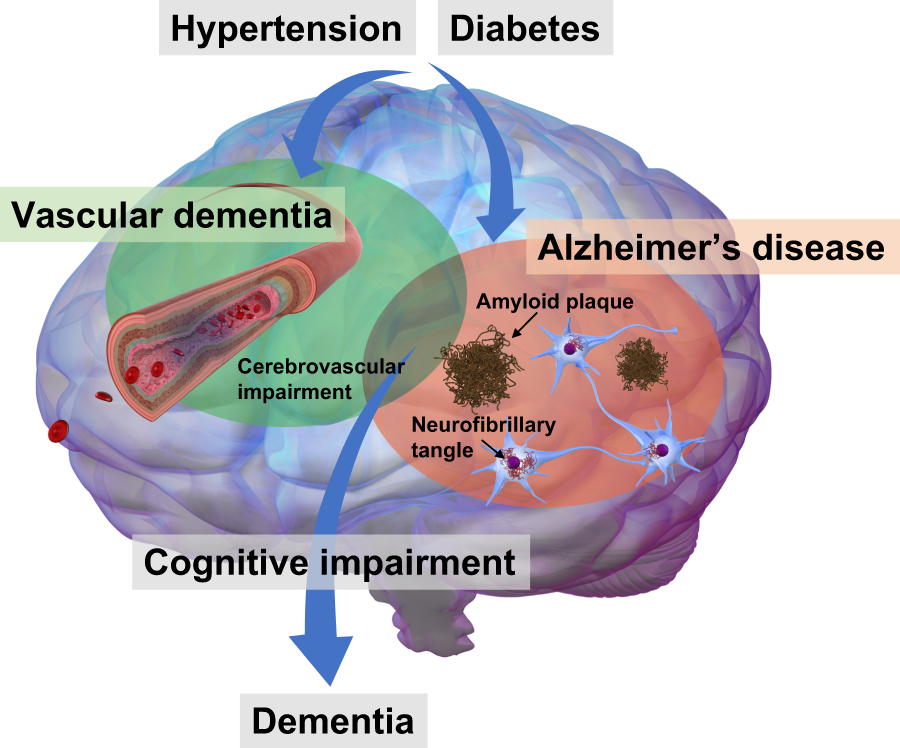
Study Reveals Key Heart Health Risks Linked to Vascular Dementia

A long-term brain health study has identified smoking, high blood pressure, heart disease and elevated blood lipids as major risk factors associated with brain damage linked to vascular dementia. The findings highlight the close connection between cardiovascular health and long-term brain health. Researchers found that conditions affecting the heart and blood vessels can contribute to changes in the brain that are associated with vascular dementia and cognitive decline. Poor blood-vessel health can restrict the supply of oxygen and nutrients reaching brain tissue, potentially causing damage over time. Cardiovascular Health and…

Read More