
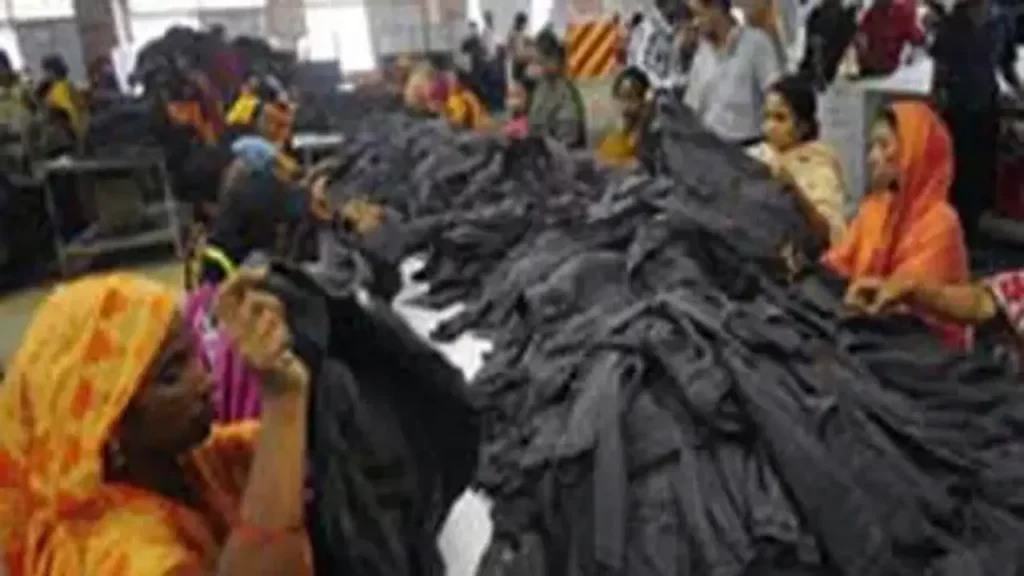
Bangladesh is one of the biggest garment manufacturing countries in the world.The sector employs millions of workers and contributes significantly to the national economy.Most factories are located in industrial zones around Dhaka, Gazipur, and Narayanganj.Over the years, the Bangladesh garment worker workforce has played a key role in global supply chains.Major international brands depend on Bangladesh for affordable clothing production.However, the industry is highly vulnerable to environmental conditions.Climate change has increased temperatures across South Asia.Heatwaves in Bangladesh are now longer, stronger, and more frequent.This has created a dangerous situation for the Bangladesh garment workers heatwav crisis.Factories are not fully equipped to handle extreme weather conditions.
Rising Heatwave Conditions in Dhaka Industrial Zones
The Dhaka region has been experiencing intense heat in recent months.
Temperatures often feel even higher inside factories due to machinery and overcrowding.The Bangladesh garment workers heatwave situation is made worse by humidity.
High humidity prevents sweat from evaporating, making it harder for the body to cool down.Inside factories, thousands of workers operate sewing machines in tight spaces.
Air circulation is limited, and windows are often small or blocked.During peak heat hours, conditions become unbearable.Workers report feeling weak, dizzy, and exhausted.The Bangladesh garment industry heat stress problem is now recognized as a serious occupational hazard.
Power Cuts Making the Situation Worse
Frequent electricity shortages are a major factor in the crisis.
When power cuts occur, fans and cooling systems immediately stop working.This creates a sudden rise in indoor temperature.Workers are left in stagnant hot air for long periods.Many factories rely on backup generators, but not all can afford them.Even when available, generators cannot fully replace proper cooling systems.The Dhaka garment factory heatwave conditions become extremely dangerous during outages.
Production slows down, and workers struggle to maintain concentration.This combination of heatwave and power cuts is central to the Bangladesh garment workers heatwave crisis.
Daily Life and Struggles of Workers
Workers in Bangladesh garment factories typically work long shifts.
A normal shift can last 8 to 12 hours, sometimes more during peak demand.During extreme heat, these hours feel even longer.Workers often stand or sit near machines that generate additional heat.Many Bangladesh garment worker employees report dehydration and fatigue.Water breaks are sometimes limited due to production pressure.Common symptoms reported include:
- Headaches
- Dizziness
- Muscle cramps
- Nausea
- Extreme tiredness
Some workers say they are afraid to stop working even when feeling sick.
Missing production targets can lead to wage cuts or penalties.
This creates a dangerous cycle of exhaustion and pressure.
Health Risks and Heat Exhaustion Cases
Medical experts warn that heat exhaustion can quickly become heatstroke.
Heatstroke is a life-threatening condition if not treated immediately.In crowded factories, early symptoms are often ignored.Workers continue working until conditions worsen.The Bangladesh garment workers heatwave environment increases the risk of chronic health issues.Long-term exposure to extreme heat can damage kidneys and heart health.Women workers are also at higher risk due to pregnancy-related vulnerabilities.
Many factories lack proper medical support systems on-site.
Expert Analysis on Industrial Heat Stress
Experts say the Bangladesh garment industry heat stress issue reflects a wider global trend.
Developing countries are facing increased workplace heat due to climate change.Labor researchers suggest that heat safety standards must be updated urgently.
Factories should adopt:
- Better ventilation systems
- Cooling technology improvements
- Heat monitoring devices
- Mandatory hydration breaks
- Adjusted working hours during heatwaves
Without these measures, worker safety will remain at risk.Experts also emphasize that productivity losses are linked to extreme heat.When workers are overheated, efficiency drops significantly.
Economic Impact on Bangladesh Garment Industry
The garment sector is vital for Bangladesh’s economy.It contributes a large share of export earnings and employment.However, the Bangladesh garment workers heatwave crisis is now affecting production output.
Delayed shipments can damage relationships with international buyers.Factories are under pressure to meet tight deadlines.But heat-related disruptions slow down production lines.Increased healthcare costs and absenteeism also affect profitability.Smaller factories are especially vulnerable to these challenges.If conditions worsen, global buyers may reconsider sourcing strategies.
Regional and Global Impact
The Bangladesh garment workers heatwave situation is part of a broader regional issue.
South Asia is becoming one of the hottest regions globally.Other countries in the region may face similar industrial heat challenges.This raises concerns for global supply chains dependent on textile production.International organizations are increasingly calling for climate-adaptive labor policies.Ethical sourcing standards now include climate risk considerations.Global brands may need to invest in improving factory conditions.
Government and Industry Response
Authorities have acknowledged rising heat concerns in industrial areas.
However, implementation of safety measures remains inconsistent.Some factories have introduced extra breaks during peak heat hours.Others have installed basic cooling fans or ventilation improvements.But experts say these steps are not enough.Structural improvements are needed for long-term safety.Policy discussions are ongoing regarding labor protection in extreme climates.
Conclusion: A Growing Climate-Labor Crisis
The Bangladesh garment workers heatwave crisis highlights a serious intersection of climate change and labor rights.
Workers are facing increasing risks due to rising temperatures and power instability.Without urgent intervention, conditions may worsen in coming years.
Improved infrastructure, stronger labor laws, and climate adaptation strategies are essential.The future of Bangladesh’s garment industry depends on how quickly these challenges are addressed.
FAQs
1. What is the salary grade for garment workers in Bangladesh?
Garment workers earn relatively low wages based on government-set minimum wage levels, experience, and factory classification.
2. What is the hottest temperature ever recorded in Bangladesh?
Bangladesh has experienced temperatures above 40°C during severe heatwaves in recent years.
3. Can Rana Plaza happen again in Bangladesh?
Safety has improved since Rana Plaza, but experts warn risks remain without strict enforcement of labor and safety laws.