

Skin itching can be caused by allergies, hives, insect bites, or eczema and the right anti allergy medicine for skin itching can make a huge difference. Board-certified cosmetic dermatologist Michele Green confirms that hydrocortisone and antihistamines are the top choices for treating itchy skin.Whether you need a daytime or nighttime option, understanding your antihistamine for itching is the first step to real relief.
Background: Why Does Skin Itch During an Allergic Reaction?
When your body encounters an allergen, it releases a chemical called histamine. This triggers an immune response that causes discomfort and inflammation on the skin.
When an allergen enters your body, histamine is released from mast cells. The histamine binds to special sites called H1 receptors on other cells. This sets off a chain reaction that causes blood vessels in the area to become slightly leaky, resulting in redness, swelling, and itching.By blocking the effects of histamine, antihistamines help prevent or manage symptoms like hives and skin rashes, itchy or watery eyes, nasal congestion, and runny nose.This is why antihistamine tablets are the most commonly recommended anti allergy medicine for skin itching worldwide.
What Are Antihistamines? Understanding the Basics
Antihistamines are medicines that block histamine activity in the body. They come in two main categories, and knowing the difference helps you pick the right one.
There are two main antihistamine categories: first generation (sedating) and second generation (non-sedating). The main differences between them are how likely they are to make you drowsy and the likelihood of causing side effects.
First-generation antihistamines generally have more side effects than second-generation antihistamines because they more easily cross the blood-brain barrier into the central nervous system, which causes drowsiness. Second-generation antihistamines are generally safer because they don’t cause drowsiness and interact with fewer medications.
Most doctors today recommend second-generation options as the first choice for everyday allergy and skin itch management.
Antihistamine Drugs List: Top Options for Itchy Skin
Here is a clear antihistamine drugs list covering the most widely used and trusted medicines for skin itching:
- Cetirizine (Zyrtec Antihistamine)
Cetirizine (Zyrtec) is a strong antihistamine that fights itching and discomfort all day. It is a second-generation antihistamine, meaning it works well without making you sleepy like older types do.
The effects of cetirizine typically begin after 20 to 60 minutes and persist for at least 24 hours.This makes Zyrtec antihistamine one of the most popular choices for skin allergy relief.
- Fexofenadine (Allegra)
Fexofenadine, or Allegra, is a second-generation antihistamine for itching skin. It works by blocking histamine H1-receptors, easing itching from allergies. Its side effects are mild, making it easy for most people to take.
- Loratadine (Claritin)
Loratadine, or Claritin, is a second-generation antihistamine for itching skin. It is long-lasting and easy to take once a day. It blocks histamine release, giving relief to those with itching skin from allergies. Side effects like headaches and dry mouth are mild.
- Levocetirizine (Xyzal)
Levocetirizine, or Xyzal, is a fast-acting and effective antihistamine in reducing itch. While it might cause some drowsiness, it is safe and effective for itching skin and improves quality of life for those with chronic itching.
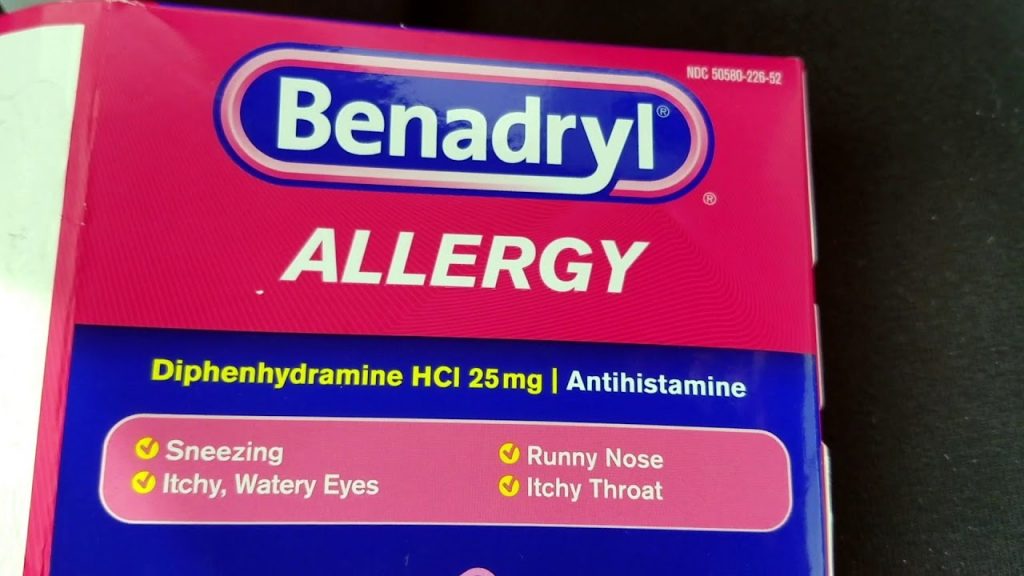
- Diphenhydramine (Benadryl)
This is a first-generation antihistamine. For better symptom relief at night, you may use a first-generation antihistamine like Benadryl, which can reduce your itchiness and help you sleep. It is not recommended for daytime use due to heavy drowsiness.
- Chlorpheniramine (Piriton)
If the itchiness is disrupting your sleep, chlorpheniramine (Piriton) is an older, drowsy antihistamine that can relieve your symptoms while also helping you to drift off.It is a reliable nighttime choice for severe itch.
Best Antihistamine for Itchy Skin: Which One Wins?
Choosing the best antihistamine for itchy skin depends on your lifestyle, timing, and severity of symptoms.
Cetirizine, fexofenadine, and loratadine are good non-drowsy antihistamines. Research suggests that cetirizine is the most effective antihistamine for insect bites when compared to loratadine and ebastine.
For chronic hives or skin conditions like urticaria, the first-line treatment usually involves non-sedating antihistamines. Sedating antihistamines like diphenhydramine may be preferable if your symptoms are keeping you awake at night, whereas loratadine, cetirizine, or fexofenadine are less likely to cause drowsiness.
For most people dealing with everyday allergic skin itching, Zyrtec antihistamine (cetirizine 10mg) remains the top-rated choice among both patients and dermatologists.
How Much Antihistamine Can I Take in 24 Hours?
One of the most common questions is: how much antihistamine can I take in 24 hours? The answer varies by medicine and age.
For Zyrtec antihistamine specifically: the usual dosage for adults younger than 65 years and children who are 6 years and older is one 10-milligram (mg) dose per day. You should not take more than 10 mg in 24 hours. Your doctor may recommend a 5-mg dose once or twice per day if your allergies are mild.
For older adults: for adults 65 years and over, take 5 mL once daily and do not take more than 5 mL in 24 hours.
It is safe and recommended to take cetirizine every day for the temporary relief of allergy symptoms. Zyrtec can be taken every day while allergy symptoms are present, however it is best to only take medications for as long as your symptoms last.
Always read the label of your antihistamine tablets before use, and consult a pharmacist or doctor if you are unsure about dosing.
Antihistamine Side Effects: What to Watch For
Like all medicines, antihistamines can cause unwanted effects. Knowing the antihistamine side effects beforehand helps you manage them wisely.
With all antihistamines, the most common side effect is feeling drowsy. Even though some are less drowsy, any medication can still cause some drowsiness. Other side effects include dizziness and headaches. Allergic reactions are uncommon but possible with any medication.
Cetirizine side effects include drowsiness, dry mouth, and tiredness. Yet it is well-tolerated, making it a top choice for many.
First-generation antihistamines carry more serious antihistamine side effects compared to second-generation options. Prescription of first-generation antihistamines for skin allergies should be avoided due to their bad risk/benefit ratio. They are not better in controlling itch, and they also fail to improve patient daily functioning unlike second-generation antihistamines.
Rare but serious side effects that need immediate medical attention include difficulty breathing, rapid heartbeat, severe rash, or signs of a full allergic reaction to the medicine itself.
Antihistamine Tablets: Forms Available
Antihistamine tablets are not the only way to take these medicines. They come in several forms to suit different needs.
Antihistamines are available as tablets and capsules you swallow, chewable tablets, lotions, creams and gels for your skin, nasal sprays, suppositories, and injections for hospital use.
Applying topical antihistamines directly to the affected area of skin may be preferable to taking oral antihistamines due to the potential side effects of oral antihistamines. Anti-itch creams include Cortisone-10 and Benadryl topical.
For most skin itching cases, oral antihistamine tablets give broader and faster full-body relief compared to creams alone.
Expert Quotes on Antihistamine for Itching
Medical professionals consistently point to second-generation options as the gold standard.
Oral antihistamines are a primary treatment for pruritus (itchy skin). Antihistamines can provide significant relief from itching skin, and expert dermatologists recommend hydrocortisone and antihistamines as top choices.
Nonsedative, second-generation antihistamines are recommended as first-line treatment for urticaria. Several important benefits of second-generation antihistamines on the improvement of atopic dermatitis symptoms and patient quality of life have been reported.
These findings from peer-reviewed research published in medical journals confirm that modern antihistamine for itching options are both safe and effective when used correctly.
Impact: Global Relevance of Skin Allergy Medicines
Skin allergies and itching affect hundreds of millions of people worldwide. Seasonal allergens like pollen, dust mites, pet dander, and insect bites trigger reactions across every country and climate. The demand for effective anti allergy medicine for skin itching grows every year as allergy rates rise globally.
Millions of people deal with itchy skin because of allergies, and finding good relief is key. Understanding what causes itching skin and the treatment options is essential to managing it well.
Access to over-the-counter antihistamine tablets like Zyrtec antihistamine, Claritin, and Allegra has made allergy relief available to most people without a prescription, reducing the burden on healthcare systems significantly.
Conclusion: Managing Skin Itching With the Right Antihistamine
The right antihistamine for itching depends on your specific symptoms, lifestyle, and whether you need daytime or nighttime relief. Second-generation antihistamines especially Zyrtec antihistamine (cetirizine), loratadine, and fexofenadine remain the top-recommended best antihistamine for itchy skin by dermatologists globally.
Always follow dosage guidelines and never exceed the recommended limits on how much antihistamine can I take in 24 hours. If your symptoms persist beyond a few weeks, consult a doctor for a proper diagnosis and prescription-strength options if needed.
FAQs
What’s the best antihistamine for allergies?
Cetirizine, fexofenadine, and loratadine are good non-drowsy antihistamines that work well to relieve common allergy symptoms like sneezing, runny nose, itchiness, watery eyes, and skin reactions like rashes.Among these, cetirizine (Zyrtec) is frequently rated as the strongest over-the-counter option for skin itching specifically.
Who should not take antihistamines?
If you have severe kidney or liver problems, you should avoid taking antihistamines without your doctor knowing. Do not take drowsy antihistamines if you have breathing problems, glaucoma, or an enlarged prostate. If you are pregnant or breastfeeding, you should speak to your doctor before taking any antihistamine medication.
Can I take antihistamines every day?
Yes, it is safe and recommended to take cetirizine every day for the temporary relief of allergy symptoms. It can be taken every day while allergy symptoms are present, however it is best to only take medications for as long as your symptoms last.For longer-term use, always consult your doctor.