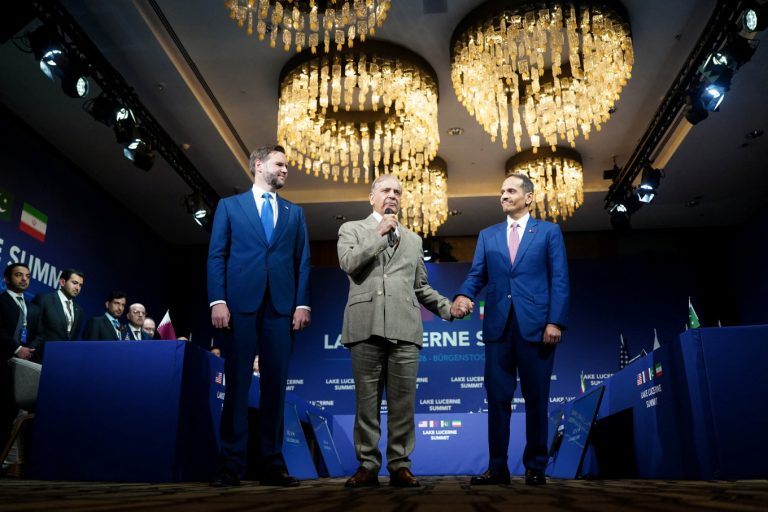

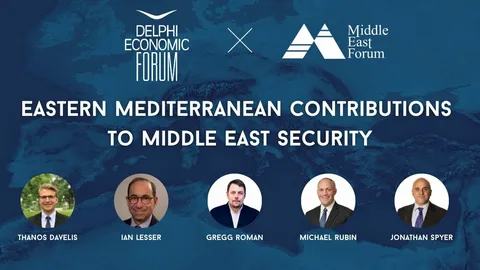
In a key diplomatic development, Pakistan’s Foreign Minister Ishaq Dar held discussions with his Kuwaiti counterpart to review the ongoing Middle East situation and its broader economic implications. The Dar Middle East economic talks focused on rising tensions, regional stability, and the potential impact on global markets.
According to the Foreign Office (FO), both sides emphasized the need for dialogue and cooperation to address challenges stemming from the evolving crisis in the region.
Focus on Middle East Crisis and Stability
The meeting comes amid growing concerns over the middle east war update, as geopolitical tensions continue to affect multiple countries. Both officials reviewed the current situation and stressed the importance of peaceful resolution through diplomatic channels.
Kuwait and Pakistan reiterated their commitment to regional peace, recognizing that instability in the Middle East can have far-reaching consequences beyond the region.
Economic Implications Discussed
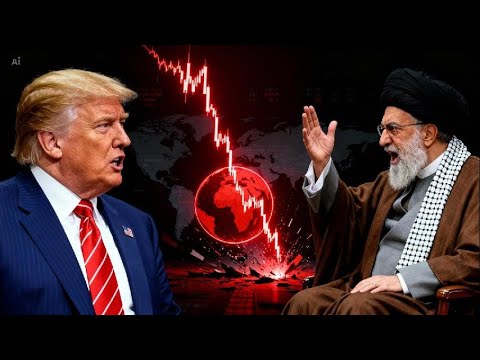
A major focus of the Dar Middle East economic talks was the economic fallout of ongoing tensions. Rising oil prices, disrupted trade routes, and investor uncertainty were highlighted as key concerns.
Both sides acknowledged that prolonged conflict in the Middle East could strain global supply chains and increase inflationary pressures, particularly for energy-importing countries like Pakistan. The discussion also included potential cooperation in mitigating economic risks.
Strengthening Bilateral Cooperation
The talks also provided an opportunity to strengthen bilateral relations between Pakistan and Kuwait. Economic collaboration, trade, and investment opportunities were explored as part of a broader strategy to enhance resilience against regional uncertainties.
Officials stressed the importance of maintaining strong diplomatic ties to navigate challenges posed by the evolving middle east war situation.
Global Significance of the Middle East
The Middle East remains a critical region due to its vast energy resources and strategic location. Developments there often influence global markets, particularly oil prices and international trade routes.
The Dar Middle East economic talks reflect how countries outside the region are closely monitoring the situation and preparing for its economic consequences.
Conclusion
The discussions between Ishaq Dar and Kuwait’s foreign minister underscore the urgency of addressing both the political and economic dimensions of the Middle East crisis. As tensions persist, such diplomatic engagements play a crucial role in promoting stability and safeguarding economic interests.
FAQs
What is the economic outlook for the Middle East in 2026?
The outlook remains uncertain due to ongoing geopolitical tensions. However, energy exports continue to support regional economies, while instability may impact growth and investment.
What is the current crisis in the Middle East?
The region is experiencing heightened tensions involving multiple countries, with conflicts and political disputes contributing to instability and global concern.
Why is the Middle East so important to the world?
The Middle East is vital بسبب its النفط resources strategic trade routes and geopolitical significance, making it a key player in global energy and economic systems.