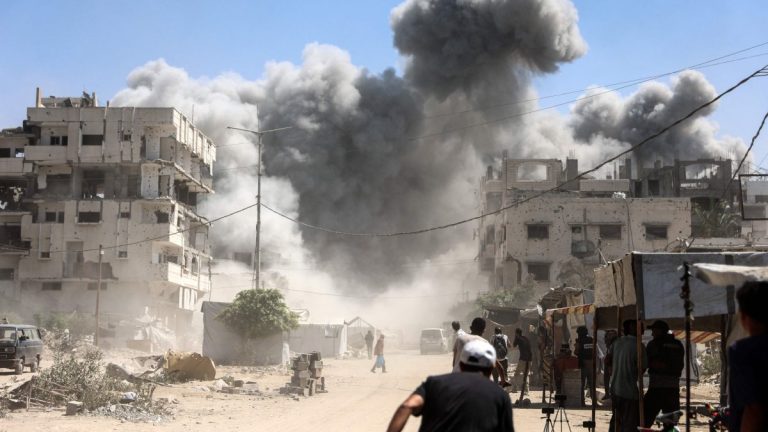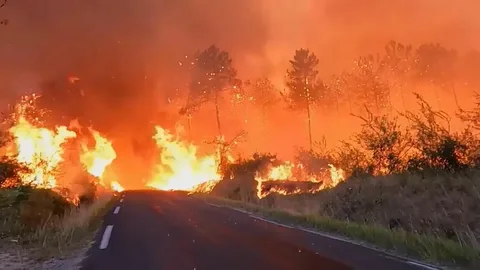
Europe is burning, flooding, and breaking temperature records all at once. The extreme weather Europe is experiencing in 2025 has turned into one of the most devastating climate crises the continent has ever faced. From Spain and Greece to Poland and Italy, no corner of Europe has been spared from nature’s fury this year.
Background: Why Is Europe Facing Such Extreme Weather?
Scientists have been warning about this for years. Europe is now officially the fastest-warming continent on the planet, according to the European Environment Agency (EEA). What that means on the ground is a brutal cycle of heatwaves, wildfires, storms, and flooding hitting in rapid succession and often at the same time.
Climate experts explain that for every 1°C rise in global air temperature, the atmosphere is able to hold around seven percent more moisture. That extra moisture does not bring relief it brings violent storms, flash floods, and prolonged drought depending on where you are and what season it is. The extreme weather Europe map this summer tells a story of near-total continental crisis.
The National Centre for Atmospheric Science has stated clearly that human-induced climate change means summer weather is now occurring on top of a much warmer background climate. In plain terms, what used to be a hot European summer is now frequently an emergency.
Wildfires Tearing Through Southern Europe
The summer of 2025 became the worst wildfire season Europe has seen in more than two decades. According to data from the European Centre for Medium-Range Weather Forecasts (ECMWF), the total area burned and the carbon emissions released by European wildfires this year surpassed every previous record since systematic monitoring began in 2003.
Between 10 and 20 August alone, fires raging across northern Portugal and the Spanish regions of Galicia, Castilla y León, and Extremadura produced approximately three quarters of the total 12.5 megatonnes of carbon emissions recorded for all EU countries plus the UK in 2025 surpassing the previous highest annual total of 11.8 megatonnes recorded in 2017.
In July 2025, Greece, Türkiye, and Cyprus experienced one of the most devastating months of wildfires in recent years, fueled in Greece by a record heatwave that pushed temperatures above 45°C, combined with severe drought and powerful winds.
Anyone tracking extreme weather Europe live during those weeks would have seen a near-continuous wall of fire alerts, evacuation orders, and emergency declarations spreading across the continent’s southern edge.
The Heatwave: Record Temperatures Across the Continent
The heat this summer was not just uncomfortable it was deadly. France, Spain, Greece, and Turkey were all simultaneously battling wildfires as a new heatwave brought record temperatures surpassing 42 degrees Celsius across the region.
Spain saw some of the most extreme numbers. The State Meteorological Agency warned that during the August heat episode, temperatures could exceed 43°C in many areas, with nighttime minimums remaining above 25°C making recovery from the daytime heat nearly impossible for those without air conditioning.
Italy also struggled badly. An African anticyclone swept across Europe, pushing temperatures as high as 46 degrees Celsius in parts of Italy and leading to multiple deaths from the heat.
For those searching weather Europe 14 days or weather forecast Europe 7 days forecasts during this period, the picture was grim: wall-to-wall red on every temperature map, with no significant relief in sight for days at a time.
Storms and Flooding: The Other Face of Extreme Weather Europe
Not everything hitting Europe this year has been heat. The same climate patterns driving dangerous wildfires in the south have been pushing violent storms through central and eastern Europe, often right on the heels of heatwaves.
After days of extreme heat, powerful storms swept through parts of central and eastern Europe in early July 2025, causing deaths and widespread damage. In northern Italy, a 63-year-old woman was killed near Milan when a tree fell during severe weather. Wind gusts exceeding 100 km/h in Slovakia tore roofs off buildings and disrupted transport across Hungary, Croatia, and Serbia.
At the very start of the year, 2025 kicked off with a stormy start as violent winds swept across parts of France, with regions in the north experiencing frequent gusts climbing up to 110 km/h. By spring, dozens were evacuated in central and northern Spain due to Storm Martinho, while the worst flooding in three decades crippled Romania’s historic Praid salt mine.
Those following bad weather in Europe today map BBC coverage would have seen the storm warnings cascade from one country to the next throughout the year, barely pausing between events.
Human Cost: Lives Lost and Millions Displaced
The human toll of this extreme weather Europe crisis is staggering and still being counted. In Spain alone, flooding and infrastructure damage from heavy winds forced over 12,400 evacuations, affected 115,000 people across 19 villages in the Sierra de Cádiz region, and led the Spanish Government to commit more than €7 billion in emergency aid.
The wildfire situation required mass mobilizations. Thousands of firefighters were deployed across Spain and Portugal as ongoing blazes forced town evacuations and Spanish Prime Minister Pedro Sánchez traveled personally to affected regions to meet with emergency team commanders.
One person was killed near Madrid after being trapped by a wildfire, and a soldier in Montenegro died when his water tanker overturned while fighting a blaze. These are not isolated tragedies they are the human face of the storm in Europe now that climate scientists have long warned was coming.
Heatwaves alone account for around 95 percent of all weather-related deaths in Europe. They are becoming longer, more frequent, and more intense increasing health risks particularly for elderly people, children, and those with pre-existing conditions
Economic Damage: Billions Lost Across the EU
The financial damage from extreme weather Europe 2025 events runs into tens of billions of euros and will take years to fully calculate. A study led by researchers at the University of Mannheim in collaboration with European Central Bank economists found that heatwaves, droughts, and floods affected a quarter of all EU regions during the 2025 summer, with immediate losses amounting to 0.26 percent of the EU’s entire economic output for 2024. Italy alone faced projected losses of approximately €11.9 billion.
These figures do not even account for the full cost of wildfire damage, hail, or wind destruction from storms meaning the real economic hit is significantly higher. Energy infrastructure faced particular pressure, with Europe’s power grids struggling to keep up with demand during record-breaking heatwaves while also trying to avoid increasing carbon emissions from backup power sources.
Expert Statements and Official Warnings
Climate scientists have not held back in linking this year’s crisis to long-term warming trends.
Researchers found that the weather conditions which drove the deadly fires in Türkiye, Greece, and Cyprus were made significantly more intense by climate change, and they expect similar results from their ongoing analysis of blazes in Spain.
The EEA has stated plainly: “Europe is experiencing more frequent and more intense heatwaves, floods, and droughts as the climate changes. These events affect our health, nature, water supplies, food production, infrastructure, and economy. We must adapt and prepare for life in a changing climate.”
The World Health Organization had already issued stark warnings after 2022, when at least 15,000 people were killed by hot weather in Europe in a single year, with the WHO saying that increasing heatwaves and other extreme weather would “lead to more diseases and deaths” in the coming decades unless drastic action is taken.
Where Is the Worst Affected Right Now?
For anyone checking the extreme weather Europe map or following extreme weather Europe live updates, the picture across the continent heading into the final months of 2025 remains deeply concerning. Southern and southwestern Europe particularly Spain, Portugal, Greece, and Italy have borne the heaviest burden from heat and fire. Central and eastern Europe, including Poland, Slovakia, Hungary, and Croatia, have repeatedly been hit by violent post-heatwave storms.
Even the Arctic Circle, normally a refuge of cold, saw “truly unprecedented” heat soaring above 30°C on 13 separate days in July 2025 alone. The extreme weather Europe BBC coverage and European broadcasters have tracked this year has left viewers across the continent with a clear message: nowhere is truly safe from these conditions any longer.
What Comes Next: The 14-Day Forecast Picture
Weather Europe 14 days outlooks from major European forecasting agencies have consistently shown a pattern of alternating between prolonged heat events and intense storm periods, with little return to the moderate temperatures that once defined a European summer. Weather forecast Europe 7 days models point to continued elevated temperatures across the south, with storm risk remaining elevated in central and northern regions.
European cities are now facing up to five months of extreme heat each year, with temperatures above 32°C stretching deep into autumn a situation that is reshaping how cities plan for emergency services, healthcare, and energy infrastructure.
Climate scientists and European governments are increasingly using the phrase “new normal” to describe this reality. But many argue that framing it as normal dangerously understates the urgency of action required.
Conclusion: Europe at a Climate Crossroads
In Europe, flash floods, deadly heatwaves, droughts, and record-breaking wildfires became the defining feature of 2025 a legacy the continent is still scrambling to recover from. But experts warn these events will likely become the new normal unless drastic action is taken to reduce heat-trapping emissions being released into the atmosphere.
The extreme weather Europe is living through right now is not a temporary crisis. It is the visible result of decades of carbon emissions and warming, and it will continue to intensify unless emissions are dramatically reduced at a global level. For millions of Europeans those who have lost homes to wildfires, been evacuated by floods, or struggled through lethal heat without access to cooling that message has already hit home in the most painful way possible.
Frequently Asked Questions (FAQs)
Where in Europe is having a heatwave?
In 2025, the most severe heatwaves have struck southern and southwestern Europe, particularly Spain, Portugal, Greece, and Italy. Spain experienced temperatures above 43°C during August, with the State Meteorological Agency issuing warnings that lasted for more than a week at a time. Greece saw temperatures surpass 45°C during July, which directly fueled some of the worst wildfire conditions the country has seen in recent years. Parts of northern and central Europe, including Scandinavia and the Balkans, have also experienced unusual and intense heat periods this summer, with Finland, Norway, and Sweden all recording heatwaves that lasted around two weeks in mid-summer. The extreme weather Europe map during peak heat periods showed red alerts covering most of the continent simultaneously.
How hot is it in Europe now?
Temperature readings across Europe in summer 2025 have regularly exceeded 40°C across southern countries, with Spain recording highs of 43°C, Italy reaching up to 46°C in some regions, and Greece hitting above 45°C during its peak heatwave in July. Even parts of central Europe that historically stayed cooler during summer months have been registering temperatures 5°C to 8°C above their historical averages. Nighttime temperatures have also remained dangerously high in many areas, with minimums staying above 25°C across large parts of Spain and Portugal a level of overnight heat that prevents the human body from recovering properly and is particularly dangerous for elderly people and those with health conditions.
What is the hottest country in Europe right now?
Based on temperature readings throughout summer 2025, Spain and Greece have consistently recorded the highest temperatures on the continent. Spain’s southern and central regions, along with parts of the Iberian Peninsula shared with Portugal, have been the epicenter of Europe’s most intense heat events. Greece, particularly its southern mainland and islands, experienced a record-breaking heatwave in July that pushed temperatures above 45°C, making it one of the hottest places on the entire continent. Italy has also recorded extreme highs, reaching up to 46°C in some areas during peak heatwave conditions. For anyone tracking extreme weather Europe live or checking the extreme weather Europe BBC coverage, these three countries have dominated the headlines throughout the summer.