
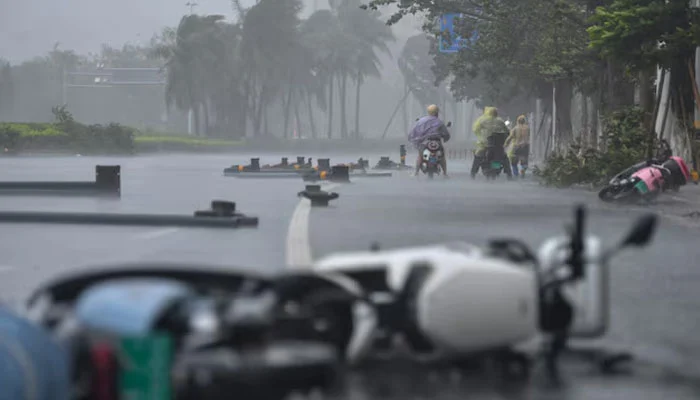
Economic losses caused by natural disasters worldwide reached an estimated $100 billion in the first six months of 2026, according to reinsurance giant Swiss Re, although the figure was significantly lower than the losses recorded during the same period last year.
Swiss Re said the estimated losses were down from approximately $152 billion in the first half of 2025 and were also around 10% below the average recorded over the past decade.
Despite the decline, the reinsurer warned that the lower figure should not be interpreted as a sign that the global disaster risk is easing.
The first half of the year was marked by destructive weather events, including severe storms in the United States and deadly earthquakes in Venezuela in June.
While the combined economic impact was lower than last year’s exceptionally high figure, Swiss Re cautioned that the second half of the year could bring significantly greater losses.
The North Atlantic hurricane season is a particular concern because major tropical storms can generate enormous insured and uninsured losses within a short period.
“A less costly first half of the year does not mean the risk has gone away,” said Balz Grollimund, Swiss Re’s director of Catastrophe Perils.
He warned that a single major hurricane, earthquake or wildfire could quickly change the overall picture for 2026.
Extreme heat across parts of Europe since June has already contributed to an early wildfire season, particularly in France and Spain.
Thousands of homes, businesses and pieces of infrastructure have reportedly been damaged or destroyed by fires, highlighting the growing threat posed by extreme heat and dry conditions.
Swiss Re said wildfires still account for a relatively small proportion of insured catastrophe losses in Europe compared with some other hazards.
However, the company identified wildfire as the fastest-growing weather-related peril globally.
According to Swiss Re, insured wildfire losses in Europe have increased by approximately 8% to 11% annually since 1970, after adjustments for inflation and other factors.