
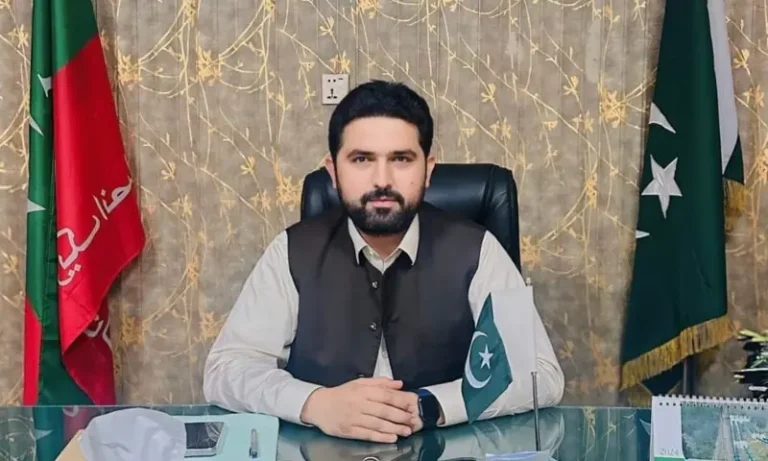

The Child Protection Act KP is back in the national spotlight after the rape and murder of a five-year-old girl in Haripur triggered public outrage and a promise of stronger legislation. Chief Minister Sohail Afridi has vowed that those responsible will face the harshest punishment the law allows, while lawmakers in the provincial assembly are pushing for faster trials and tougher penalties.
Background
Khyber Pakhtunkhwa has had a dedicated child protection framework in place for well over a decade. The Child Protection Act 2010, formally called the Khyber Pakhtunkhwa Child Protection and Welfare Act, was passed to provide care, protection, welfare and rehabilitation for children at risk across the province. It set up the KP Child Protection and Welfare Commission and gave legal cover to district-level Child Protection Units.
The law has since been amended several times, most notably through the Kpk Child Protection Act 2018 pdf amendments, which strengthened the Commission’s powers and introduced new provisions for reporting and case handling. Search interest in Child Protection act kpk in urdu has grown in recent days as families and community members try to understand what protections the law actually offers children.
The Ayat Noor Case: What Happened
The renewed debate follows the disappearance of a five-year-old girl named Ayat Noor from Haripur district. Her father reported her missing on August 10, and after an extensive search, police recovered her body from a well. A case was registered under sections of the Pakistan Penal Code covering kidnapping and abduction of a minor, and the investigation quickly widened into an alleged sexual assault and murder inquiry.
Haripur District Police Officer Shafiullah Gandapur confirmed that four suspects were arrested in connection with the case. He said that the disappearance of a child was not just a private family tragedy but a matter that concerned the whole of society, and that investigators were treating the case with urgency.
Chief Minister Sohail Afridi took notice of the case and directed authorities to form a special investigation team. He said the alleged crime was deeply disturbing and that every aspect of the case would be investigated transparently, with no leniency shown to those responsible.
Details: Child Protection Act 2010 and Section 37 Explained
Under the existing Child Protection Act 2010, several sections directly address violence and abuse against children. Section 37 Child Protection Act specifically covers punishment for violence against a child, prescribing imprisonment of up to three years and a fine of up to one hundred thousand rupees, with harsher penalties of up to ten years each when the offence is committed by a group of more than two people.
Separate sections of the law deal with more serious offences. Sexual abuse carries a punishment of up to ten years imprisonment or life imprisonment depending on severity, while child trafficking can result in a sentence of up to twenty-five years. The law also created a Register of Sexual Offenders, requiring convicted offenders to be listed publicly and barring them from working with children or using public transport used by children.
Despite this legal framework, activists and lawmakers argue that implementation has lagged badly behind the text of the law. Reports indicate that only a fraction of KP’s districts have a functioning Child Protection Unit, even though the province is home to millions of children who could benefit from this protection.
Assembly Response and Proposed Reforms
In the aftermath of the Ayat Noor case, the Khyber Pakhtunkhwa Assembly unanimously passed a resolution condemning the rise in child abuse, abduction and murder cases. The resolution called for a fast-track judicial mechanism specifically for child sexual offence cases and demanded an end to allowing compromise settlements between parties in such cases.
Lawmakers also pushed for modernising police investigation procedures, expanding forensic and DNA testing facilities, and ensuring transparent, speedy probes into crimes against children. Opposition members wore black armbands during the session in solidarity with Ayat Noor’s family, underlining the cross-party pressure building on the provincial government.
The resolution further stressed that state institutions must take stronger, more consistent measures to safeguard children, warning that delays in punishing offenders only encourage further crimes against minors.
Quotes From Officials
Chief Minister Sohail Afridi said crimes against children would not be tolerated under any circumstances, adding that those found responsible in the case would receive no leniency and would be dealt with strictly under the law.
Treasury lawmaker Qasim Ali Shah, moving the assembly resolution, said the rising incidents of abuse, violence and murder of children were a matter of grave concern, and that effective legislation combined with strict enforcement of existing laws was essential to protect them.
National Commission on the Rights of the Child member Maham Afridi has previously noted that government action alone is not enough, arguing that communities, families and religious leaders also need to play an active role in raising awareness around child protection.
Impact on Child Safety in Khyber Pakhtunkhwa
The case has reignited a wider conversation about how well Pakistan’s provinces are actually protecting children, despite having relatively detailed legislation on paper. Reports this year documented hundreds of cases involving missing children, sexual abuse, child labour and even child murder across Khyber Pakhtunkhwa within just a few months.
Social stigma remains a major barrier to reporting these crimes, with activists noting that many families treat abuse cases as a private matter of honour rather than a crime requiring police involvement. This underreporting makes official statistics only a partial picture of the true scale of the problem in the province.
For ordinary families, the immediate impact is a renewed sense of anxiety around their children’s safety in public spaces, alongside cautious hope that political pressure following this case could finally translate into better-resourced Child Protection Units and faster prosecutions.
Conclusion
The Child Protection Act KP already provides a fairly detailed legal structure, including specific punishments under Section 37 Child Protection Act and a public offenders’ register, but the Ayat Noor case has exposed a persistent gap between legislation and enforcement. With CM Afridi promising stricter action and the provincial assembly demanding fast-track courts and better forensic capacity, the coming months will show whether these promises translate into functioning Child Protection Units in every district and swifter justice for victims.
Continued public and media attention on this case, along with pressure from opposition lawmakers, is likely to keep child protection reform on the KP government’s agenda for the foreseeable future.
Frequently Asked Questions
What did Sohail Afridi do?
After the rape and murder of five-year-old Ayat Noor in Haripur came to light, Chief Minister Sohail Afridi took formal notice of the case and directed authorities to form a special investigation team to conduct a full and transparent probe. He publicly condemned the alleged crime, extended condolences to the victim’s family, and pledged that those responsible would be brought to justice and given the strictest punishment available under the law, with no leniency shown to any suspect involved.
Does Pakistan have child protective services?
Yes, Pakistan has child protection frameworks at both the federal and provincial levels, since child welfare largely became a provincial subject after the 18th Constitutional Amendment. In Khyber Pakhtunkhwa specifically, the Child Protection Act 2010 established the KP Child Protection and Welfare Commission along with district-level Child Protection Units and Child Protection Officers responsible for rescuing, sheltering and rehabilitating children at risk. However, coverage remains uneven, with many districts still lacking a fully functional Child Protection Unit despite the legal framework being in place.
How to contact CM Sohail Afridi?
Citizens can reach the Chief Minister’s Office through the Chief Minister’s Complaint Cell, which has a dedicated helpline for registering complaints, including an anti-corruption desk with the number 091-9222451. General information about the Chief Minister and the provincial government is also available through the official Government of Khyber Pakhtunkhwa website. For urgent child protection concerns, families are advised to approach the nearest Child Protection Unit or police station directly, in addition to any complaint filed with the Chief Minister’s Office.