

Summary
Dozens of missing Australians in Nepal remain unaccounted for nearly a week after a glacier collapse triggered catastrophic flooding along the Nepal-China border. The number has climbed to 42 as more families come forward, including a group of six believed to be on the Chinese side of the border. With phone lines down and roads destroyed across the flood zone, relatives are relying on scattered updates from tour operators and the Australian government for any sign of hope.
Background
The floods struck on Wednesday morning after part of a Himalayan glacier collapsed near the Nepal-China border, sending a torrent of ice, mud and debris through several river valleys. Among those caught in the disaster were multiple Australian tour groups travelling through the region, some on trekking holidays and others completing a pilgrimage route toward Mount Kailash in Tibet.
One of the largest known groups belonged to Himalayan Glacier Adventures, a tour operator that reported losing contact with 47 people, including 15 Australians, around the time the flood hit. Separate groups linked to the Isha Foundation’s pilgrimage tours also included Australian travelers who have not been heard from since.
As communications in the region remain patchy, Australian families have pieced together what they know from tour operators, embassy contacts and, in some cases, brief calls made before phone networks went down entirely.
Details
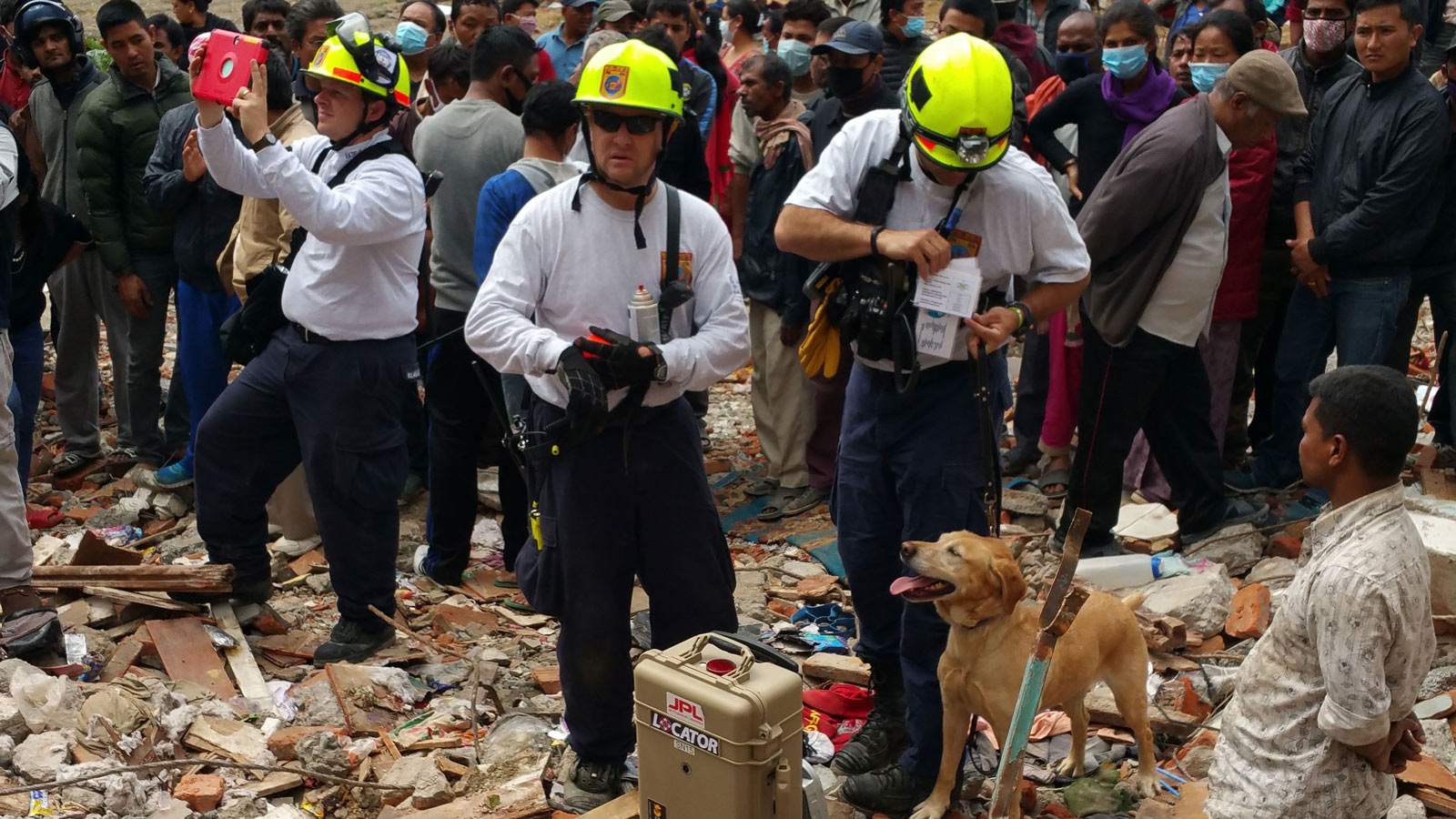
The Department of Foreign Affairs and Trade, or DFAT, confirmed it has deployed additional personnel, including crisis response specialists, to support its post in Nepal as the search for missing citizens continues. Officials have acknowledged that access to the affected areas remains extremely limited, slowing efforts to confirm the fate of those unaccounted for.
Among the named missing are a family of four from Sydney’s north-west — parents Shylaja and Chandrasekaran Muralitharan and their two young sons — who were travelling with the Himalayan Glacier Adventures group when contact was lost. Retired Melbourne engineer Sampath Kumar, 61, was part of the same tour.
Other Australians reported missing include Newcastle woman Reshma Patel, who had just finished a pilgrimage with the Isha Foundation, and Sydney residents Sumi Adhikari and Bharat Mangwani, who were travelling with the same group. Family members of several missing Australians have since flown to Nepal themselves, hoping to assist search efforts on the ground.
Six additional missing Australians are believed to be on the Chinese side of the border in Tibet’s Gyirong County, an area that has faced its own severe damage and continued landslide risk since the initial flood.
Quotes
Vaishnavi, the sister of missing Sydney woman Shylaja Muralitharan, said her extended family remains distressed and anxious as they wait for any news of the family of four.
Foreign Affairs officials, including Defence Minister Penny Wong, said DFAT was working urgently to determine the welfare and whereabouts of the missing Australians, while acknowledging that access and information remain very limited given the scale of the disaster.
Himalayan Glacier Adventures managing director Sanket Pandey told local media the company lost contact with its group of 47 travelers and guides around 8:30am local time on the morning the flood struck.
The husband of missing Newcastle woman Reshma Patel has publicly called for the Nepali, Chinese and Australian governments to better coordinate their search efforts across the border region.
Impact
For the families involved, the wait has meant days of uncertainty with little concrete information, as damaged infrastructure and severed communication lines in the flood zone make even basic confirmation of survival difficult. Several relatives have described feeling caught between hope and dread as search teams work through debris-covered valleys.
Beyond individual families, the scale of Australian citizens involved has turned this into a significant consular operation, with DFAT coordinating across multiple agencies and, in some cases, across the Nepal-China border itself. The situation has also renewed scrutiny of how adventure tourism and pilgrimage operators manage traveler safety in remote, disaster-prone regions of the Himalayas.
The disaster has additionally sparked broader public attention in Australia on the risks facing tourists in high-altitude regions increasingly affected by glacier instability and extreme weather linked to climate change.
Conclusion
As search-and-rescue operations continue on both sides of the Nepal-China border, DFAT has indicated it will keep providing updates as information becomes available, though officials caution that confirming the fate of everyone missing could take considerable time given the scale of the disaster. Families of the missing Australians say they are holding onto hope while urging authorities to keep search efforts moving as quickly as conditions allow.
Frequently Asked Questions
How many Australians are missing in Nepal?
As of the latest update, 42 Australians remain unaccounted for following the glacier-triggered floods, with six of those believed to be on the Chinese side of the Nepal-Tibet border. The figure has risen steadily since the disaster struck, as more families come forward to report loved ones who were travelling through the region and have not been in contact since. DFAT has cautioned that the number could still change as verification continues.
What has happened in Nepal recently?
A section of a Himalayan glacier collapsed on Wednesday morning, triggering flash floods and mudslides that swept through valleys along the Nepal-China border, destroying villages, roads and a major trade crossing. Several Australian tour groups, including trekking parties and pilgrimage travelers, were passing through the affected region at the time and have not been heard from since. Search-and-rescue operations have continued for days, hampered by damaged infrastructure and ongoing flood risk from newly formed debris-dammed lakes.
What is the main problem facing missing Australians’ families right now?
The biggest challenge families describe is the near-total loss of communication in the flood zone, which has made it almost impossible to get direct confirmation about their loved ones’ safety. With roads destroyed and mobile networks down across large parts of the affected districts, families are left relying on secondhand updates from tour operators, DFAT briefings and occasional reports from rescue teams on the ground, a situation officials say could take considerable time to resolve given the scale of the disaster.