
Summary
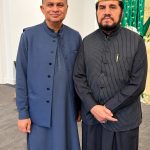
Maj Gen Faisal Naseer has been named the new Nacta chief Pakistan, taking charge as national coordinator of the National Counter Terrorism Authority. The appointment of Maj Gen Faisal Naseer was confirmed through an official notification issued by the Establishment Division on Friday. He will serve in this role for a period of three years on a secondment basis, with immediate effect.
The decision places a senior ISI officer at the helm of the country’s top counter-terrorism body at a time when Nacta Pakistan has faced questions over its operational direction. Faisal Naseer appointed Nacta chief marks a shift toward placing seasoned military and intelligence officials in charge of national security coordination.
Background
Nacta was established in 2008 under the Ministry of Interior to serve as Pakistan’s central platform for coordinating counter-terrorism and counter-extremism policy. Over the years, the authority has been tasked with preparing national strategies, monitoring the implementation of security plans, and reporting progress to the federal government.
Despite its mandate, Nacta Pakistan has often struggled with limited institutional strength and inconsistent leadership. Officials familiar with the matter say the organisation previously operated without a clear long-term strategy, which is part of why the government sought a candidate with strong operational and intelligence experience for the top post.
The appointment of Maj Gen Faisal Naseer comes against this backdrop, with the government hoping that his background will help streamline the authority’s functioning.
Details
According to the notification, the appointment of Faisal Naseer as Nacta chief was approved by the federal government under Section 9(1) of the Nacta Act, 2013. He has been posted as national coordinator on a secondment basis, meaning he continues to hold his military status while serving in this civilian-facing role.
The order states that Maj Gen Faisal Naseer, HI(M), T.Bt & Bar, will remain in the post for three years, effective immediately, and until further orders are issued. This is a standard arrangement used for officers moving between departments, distinct from the deputation process applied to civilian officials.
Before this posting, Faisal Naseer served as Director General of Counter Intelligence, DG(C), within the Inter-Services Intelligence. In that capacity, he held one of the most senior positions inside the ISI, ranking just below the agency’s director general, and was widely regarded for his work on internal security matters.
Quotes
A senior official within Nacta, commenting on the appointment, noted that there had long been a proposal to have the authority run by a seasoned army or intelligence figure rather than a purely administrative appointee. The official also observed that the body had previously lacked a coherent long-term strategy, which the new leadership is expected to address.
Officials at the Establishment Division explained that the secondment mechanism used here is the standard route through which serving army officers are moved from one government organisation to another, distinguishing it from the deputation process used for civil servants.
Impact
The appointment of Faisal Naseer as Nacta chief is expected to have a direct bearing on how Pakistan coordinates its counter-terrorism response across provinces and agencies. Given his background in counter intelligence, analysts expect a stronger link between Nacta Pakistan and the country’s military and intelligence apparatus going forward.
This move could also influence how the National Action Plan and related counter-extremism initiatives are implemented, since Nacta is the body responsible for tracking progress on such measures. A leadership with direct operational exposure may bring sharper oversight to provincial and federal coordination efforts.
Regionally, the appointment signals continuity in Pakistan’s approach of pairing top security institutions with experienced military leadership, a pattern seen in previous restructuring efforts within the country’s security architecture.
Conclusion
With Maj Gen Faisal Naseer now confirmed as Nacta chief, attention will turn to how quickly the authority moves to formalise a fresh counter-terrorism strategy. His three-year term gives him a defined window to strengthen the coordination role Nacta was originally designed to play.
Observers will be watching closely for early policy signals, personnel changes within the authority, and how Nacta Pakistan positions itself in the months ahead as it works alongside provincial governments and federal security agencies.
Frequently Asked Questions
Who is the head of NACTA?
As of this appointment, Maj Gen Faisal Naseer is the head of Nacta, serving as its national coordinator. He was appointed to this position by the federal government through a notification issued by the Establishment Division, and he will hold the post for three years on a secondment basis. Before taking on this role, he was one of the senior-most officials within the Inter-Services Intelligence, which gives him direct experience relevant to leading Pakistan’s central counter-terrorism coordination body.
Who is Faisal Naseer in Pak Army?
Faisal Naseer is a two-star general in the Pakistan Army who has spent decades in service, including extensive work in intelligence and internal security. He rose to prominence for his contributions in Balochistan and Sindh, and was later promoted to Major General before being designated Director General of Counter Intelligence within the ISI, a position that made him one of the most senior officers in the agency. His military decorations include the Tamgha-i-Basalat, awarded for distinguished service.
When was NACTA established in Pakistan?
The National Counter Terrorism Authority was established in 2008 under the Ministry of Interior. It was created to give Pakistan a dedicated institution for developing national counter-terrorism strategy, coordinating between federal and provincial agencies, and monitoring the implementation of security-related action plans, including the National Action Plan introduced in later years.