

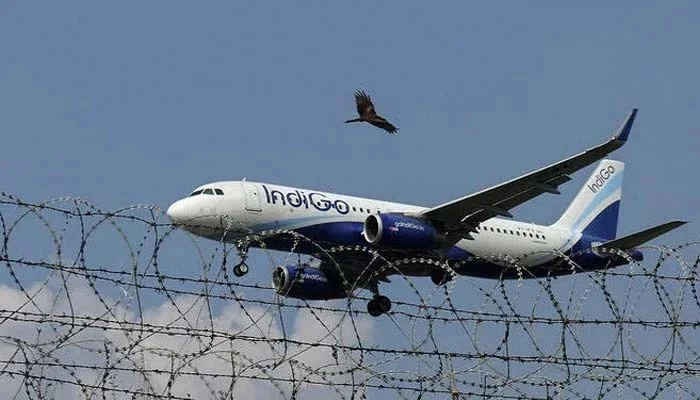

Understanding the Ongoing Ban on Indian Aircraft
The India Pakistan airspace ban has become one of the longest-running aviation disputes in the region, and it continues to affect how millions of passengers travel between South Asia and the rest of the world. Indian aircraft Pakistan airspace access has been cut off since early 2025, and despite periodic hopes of a thaw, the restriction keeps getting renewed. Here is a clear look at how the ban started, how it works today, and what it means for anyone flying in or out of India.
Background: How the Pakistan Airspace Closure Began
The roots of this Pakistan airspace closure go back to a deadly attack in Pahalgam, in Indian-administered Kashmir, in April 2025 that left twenty-six people dead. India held Pakistan responsible for the attack, while Pakistan rejected the accusation and called for an independent investigation instead.
The diplomatic fallout was swift. Within days, India suspended the decades-old Indus Waters Treaty, and Pakistan responded with a set of retaliatory steps, including a full closure of its airspace to Indian aircraft. A brief but serious four-day military confrontation followed in May 2025, and only a ceasefire arranged with American mediation brought the fighting to a halt.
How the Pakistan Airspace Restrictions Work
Since that first closure, the Pakistan Airports Authority has kept renewing the Pakistani airspace ban through a steady sequence of Notices to Airmen. Each NOTAM covers the same basic ground: Indian-registered aircraft, along with any plane operated, owned, or leased by an Indian airline or operator, cannot enter Pakistani airspace at all.
The restriction applies across both of Pakistan’s flight information regions, Karachi and Lahore, from ground level to unlimited altitude, and it includes Indian military flights alongside civilian ones. India has mirrored this with its own ban on Pakistani-registered and Pakistani-operated aircraft, so the closure runs in both directions rather than being a one-sided measure.
Which Airlines Feel the Pakistan Airspace Ban Most
Indian carriers with routes toward Europe, the Middle East, and Central Asia have absorbed the biggest hit from these Pakistan airspace restrictions. Airlines including SpiceJet and Akasa Air have had to reroute around Pakistani territory, which stretches out flight times and pushes up fuel consumption on already tight schedules.
Foreign airlines that are not Indian-registered continue to fly through Pakistani airspace as normal, since the ban is specific to Indian aircraft rather than a blanket restriction on all international traffic. On the Pakistani side, national carrier Pakistan International Airlines faces a similar squeeze, since it cannot use Indian airspace for its own international routes either.
The Bigger Picture: India Pakistan Aviation Tensions
Aviation analysts point out that this standoff is not simply about flight paths. It reflects the deeper India Pakistan aviation tensions that have simmered since the Pahalgam attack and the brief war that followed in May 2025. Both governments appear to be using the airspace restriction as one of several ongoing pressure points in their broader relationship.
Because the ban gets renewed roughly every month rather than being made permanent or formally lifted, it also leaves airlines with very little long-term certainty. Route planning, fuel budgeting, and crew scheduling all have to account for the possibility that the closure could continue indefinitely, which adds an extra layer of complexity for carriers on both sides.
What This Means Going Forward
For now, there is no public indication that either Islamabad or New Delhi plans to reopen its skies to the other’s aircraft. Every fresh NOTAM has simply extended the existing Pakistan airspace ban by another month, following the same pattern that has held since April 2025.
Travellers booking flights that would normally cross Indian or Pakistani airspace should expect continued longer routing and, in some cases, higher fares until there is a genuine change in the diplomatic relationship between the two countries. Until then, the India Pakistan airspace ban remains one of the more consequential, if less visible, consequences of the tensions that began in 2025.
Frequently Asked Questions
Is Pakistan airspace still banned for India?
Yes, the ban is still active. Pakistan has renewed its airspace closure for Indian aircraft multiple times since it first took effect in April 2025, and the restriction currently remains in force with no confirmed end date. Every extension has kept the same terms in place, barring Indian-registered, Indian-operated, and Indian-leased aircraft, including military flights, from Pakistani skies.
Does India have a ban on flights from Pakistan as well?
Yes, India maintains its own reciprocal restriction. Indian authorities issue separate but parallel NOTAMs that keep Pakistani-registered aircraft and any planes operated, owned, or leased by Pakistani airlines out of Indian airspace. This mirrors the Pakistani side of the closure almost exactly, and both bans have been extended together on a rolling basis since 2025.
Can Pakistani airlines fly over India under current rules?
No, Pakistani airlines are currently barred from Indian airspace under India’s own restriction. This means Pakistan International Airlines and other Pakistani-registered carriers must take longer alternative routes for flights that would ordinarily pass over Indian territory, much like Indian carriers have had to do around Pakistan.