

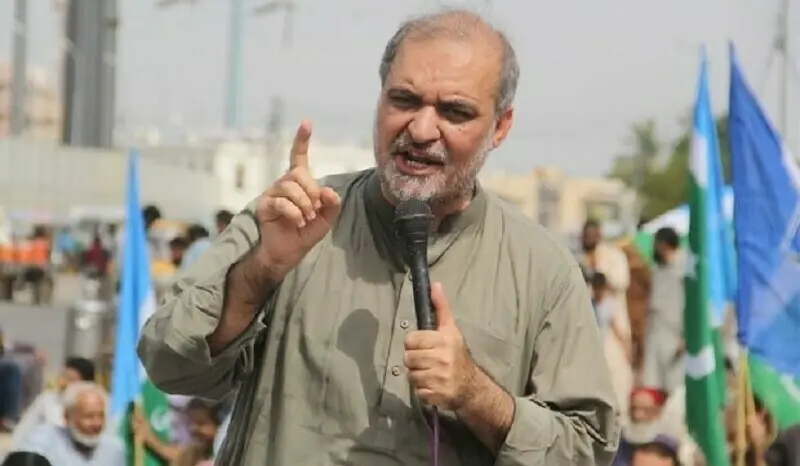

What began as scattered sit-ins over fuel prices has grown into one of the more serious political standoffs Pakistan has seen this year. The Jamaat-e-Islami protest against the petroleum levy has now reached its most decisive stage, with the party’s long march bearing down on Islamabad and the government scrambling to respond.
Background: A Month of Sit-Ins
JI has been holding sit-ins in roughly 40 districts across the country for over a month, drawing workers, farmers, traders and activists from across different sections of society. The demonstrations have run for close to four weeks in cities including Lahore, Peshawar and Karachi, building steady pressure on the government well before the march itself began. That groundwork is why the current Islamabad protest march carries more weight than a one-off rally.
How the Standoff Escalated
Talks between JI and the government stretched on for weeks without resolution. Rehman has said the government claimed its hands were tied because the petroleum levy was tied to an International Monetary Fund condition, an explanation JI has rejected as insufficient. When negotiations kept stalling, the party shifted from local sit-ins to a coordinated national march, describing it internally as the next necessary phase of the campaign.
Party leadership debated two possible formats for the march before settling on a combined approach: a train contingent from Karachi, alongside separate road convoys converging on the capital, culminating in a sit-in at D-Chowk. That planning process shows how deliberately JI approached the logistics of getting thousands of supporters into Islamabad at once.
Political Stakes Beyond Fuel Prices
The rhetoric around the march has gone well past pricing policy. Rehman has directed pointed criticism at senior government figures, including Punjab’s chief minister, and has warned the prime minister directly about the political cost of ignoring public anger over fuel prices. That tone signals JI is using the petroleum levy issue to position itself as a broader opposition voice, not just a single-issue pressure group.
Where Things Stand Now
Federal Minister for Planning Ahsan Iqbal reached out to JI’s vice emir this week to propose another round of talks, even as the party’s march preparations were already finalised. That last-minute contact suggests the government would still prefer a negotiated exit over a prolonged standoff playing out on Islamabad’s streets.
JI has said its convoys will begin arriving in the capital from all four directions, with the government’s own long-march preparations for other opposition parties adding to an already tense political calendar. How the authorities choose to manage that convergence, and whether talks resume before convoys reach the city, will likely decide how this phase of the protest plays out.
Conclusion
The petroleum levy dispute has moved well past a technical tax disagreement. With sit-ins running for over a month and a coordinated march now underway, JI has turned a fuel-pricing complaint into a direct political challenge. The next few days, particularly whether renewed talks produce any movement on the levy, will determine whether this ends in negotiation or a longer confrontation.
FAQs
Why is JI protesting against the petroleum levy?
JI says the levy has made fuel unaffordable for ordinary citizens and blames it for worsening the country’s cost-of-living crisis. The party has consistently argued that the government could remove or substantially reduce the levy without breaching its IMF commitments, and treats its continuation as a political choice rather than a fiscal necessity.
Where is the JI protest march heading?
The march’s various convoys are converging on Islamabad, with a dedicated train contingent departing from Karachi and road convoys travelling from Sindh, Punjab, Khyber Pakhtunkhwa and Balochistan. The plan reportedly includes a sit-in at D-Chowk once the convoys reach the capital.
What are JI’s demands regarding the petroleum levy?
JI’s core demand remains the full withdrawal of the petroleum levy, which it considers an unfair burden passed on to citizens rather than a genuine fiscal requirement. The party has said it is open to further talks but has made clear that the sit-ins and marches will continue until the levy is scrapped.