KATHMANDU: Nepal has estimated that it will need approximately $4.78 billion for flood reconstruction and recovery following devastating floods triggered by a glacial mountain collapse in late August.
Nepal’s Foreign Ministry announced the estimated reconstruction requirement on September 11, saying the figure covers both short-term recovery and longer-term reconstruction after the disaster caused extensive damage across affected areas.
Foreign Ministry spokesman Lok Bahadur Chhetri said approximately $57.67 million would be required for short-term reconstruction and recovery over the following six months, while around $4.71 billion would be needed for longer-term reconstruction.
Nepal Flood Reconstruction Bill Reaches $4.78 Billion
The Nepal flood reconstruction estimate follows the catastrophic August 26 disaster, when a tsunami-like surge of water, mud and debris began near the China-Nepal border after a glacial mountain collapse.
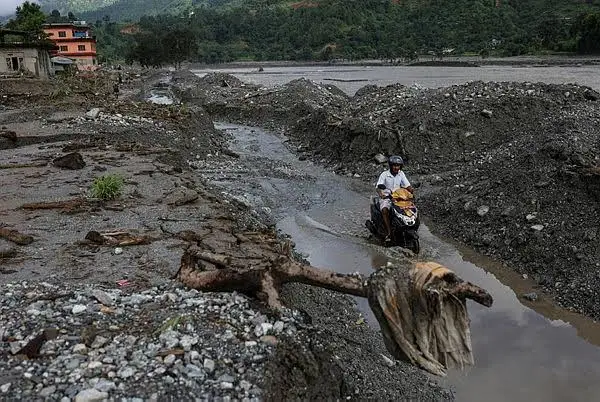
The floods caused widespread destruction to homes, roads, bridges, hydropower facilities and other infrastructure. The disaster also disrupted communities and left thousands of people missing.
Nepal’s government is carrying out a comprehensive post-disaster needs assessment to determine the full extent of damage and the resources required for recovery, rebuilding and reconstruction.
A separate rapid assessment reported by The Kathmandu Post estimated recovery needs for areas affected by the August 26 Bhotekoshi floods at Rs723.31 billion, with infrastructure accounting for about 75% of the estimated requirement.
$4.71 Billion Needed for Long-Term Reconstruction
Of the total $4.78 billion Nepal flood reconstruction requirement, the vast majority is earmarked for long-term rebuilding.
The Foreign Ministry estimates that $4.71 billion will be required for longer-term reconstruction, compared with $57.67 million for short-term recovery during the first six months.
The scale of the estimated bill reflects the extensive damage to infrastructure and communities. Roads, bridges, agricultural land, homes and other essential facilities have been affected by the floods.
The United Nations has also warned that the damage extends well beyond buildings. A preliminary UN assessment estimated building damage alone at approximately $158 million, while total losses involving infrastructure, agriculture and humanitarian needs were expected to be substantially higher.
The disaster has caused a major humanitarian crisis in Nepal.
According to figures reported by Nepal’s disaster agency on September 11, rescuers had recovered 1,385 bodies, while approximately 5,130 people remained missing. The disaster also affected neighboring China, where 43 people were reported dead and 519 missing.
The combined figures reported at the time amounted to 1,428 deaths and more than 5,649 people missing across Nepal and China.
Search-and-rescue operations continued in some areas, including hydropower tunnels that were flooded with mud and debris. At the same time, authorities and humanitarian agencies were increasingly shifting their focus toward relief, recovery and reconstruction.
Nepal Seeks International Support
The huge Nepal flood reconstruction bill is expected to increase pressure for international assistance.
Nepalese leaders have called for longer-term international support as the country faces growing risks from climate-related disasters in its mountainous regions. Prime Minister Balendra Shah has said Nepal needs to raise the issue internationally and highlight the impact of climate change and disasters on the Himalayan country.
The government is also examining how climate change and changing mountain conditions could affect future disaster risks. Reconstruction planning is expected to consider not only replacing damaged infrastructure but also improving resilience and addressing the risks faced by communities living in vulnerable areas.
The exact cause of the glacial collapse that triggered the disaster remains unclear. However, scientists have warned that glaciers in the Himalayas are melting more rapidly as global temperatures rise, increasing the risks associated with glacial and mountain hazards.
For Nepal, rebuilding after the latest disaster is therefore not only an immediate infrastructure challenge but also a longer-term disaster-risk management issue.
The estimated $4.78 billion Nepal flood reconstruction requirement demonstrates the scale of resources authorities believe will be necessary to restore damaged communities and infrastructure. The final funding requirement could change as the government’s comprehensive post-disaster assessment provides more detailed information about losses and reconstruction needs.