
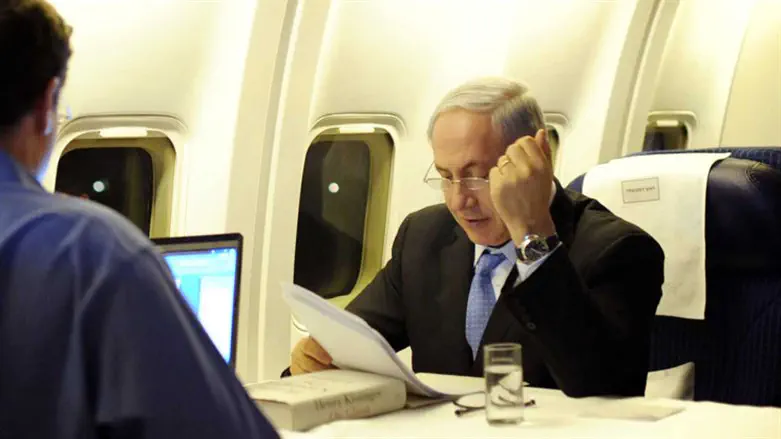

What was supposed to be a multi-day trip to New York has turned into a same-day, in-and-out visit. Benjamin Netanyahu will land Thursday morning, walk into the UN General Assembly to deliver his speech, and be back on a plane to Israel before nightfall.
The Decision Behind the Shortened Visit
Israeli media outlet Channel 13 broke the story first, reporting that Netanyahu met with top security officials in the days leading up to the trip. Their message was direct: cut the US stay down as much as possible. The officials pointed to specific intelligence warnings during those meetings, though they haven’t spelled out what those warnings actually cover.
The final plan has Netanyahu leaving Israel late Wednesday night, arriving in the New York area Thursday morning, taking the podium at the General Assembly around 2pm New York time, and flying home that same evening. No overnight stop, no extended stay, nothing that wasn’t already locked in before he left the ground.
A Visit That Has Already Been Trimmed Once Before
This wasn’t the original plan. Israeli reports had earlier described a longer trip that included a stop in Texas to meet Elon Musk, complete with an advance team already on the ground preparing for it. That meeting got cancelled. A sit-down with President Trump, something Israeli officials reportedly tried to arrange, also isn’t happening this time.
Politics in New York City haven’t made things easier. Mayor Zohran Mamdani publicly called Netanyahu a “war criminal” and an “architect” of what he described as genocide in Gaza just one day before the visit. Mamdani has also called on US federal authorities to act on the ICC arrest warrant issued against Netanyahu in November 2024, even though he’s acknowledged the city itself has no legal power to enforce it.
Security Arrangements on the Ground
Netanyahu’s aircraft is expected to avoid JFK altogether, with reports pointing toward New Jersey or Newark as the likely landing spot instead. Some Israeli outlets tie that choice to tension with city officials, while others say it’s mostly about aircraft security and ground logistics. Either way, journalists won’t be traveling with him on this trip, which is unusual for a visit of this scale.
Inside the assembly hall itself, Israeli officials are said to be preparing for a rough reception. Walkouts by diplomats during Netanyahu’s speeches aren’t a new thing; it happened during last year’s session, and there’s no reason to expect this year will be any calmer.
What’s Being Said
Security officials reportedly didn’t mince words when they recommended trimming the trip, according to Channel 13’s sourcing. Neither the Israeli government nor security agencies have publicly detailed the nature of the threat behind that recommendation, and Netanyahu’s office hasn’t issued its own statement on the matter as of this report.
Why This Matters Beyond New York
A visit this compressed tells its own story. It reflects how the security picture around Netanyahu has changed since the Gaza war escalated and the ICC warrant was issued, and it puts on display just how polarizing his presence has become in a city that’s usually happy to host world leaders without much fuss.
There’s a broader angle here too. Other heads of state watching this unfold may start factoring similar security and political risk into their own UN travel planning, particularly leaders facing international legal scrutiny of their own.
Looking Ahead
For now, the plan holds: arrive, speak, leave. What happens after Thursday’s address, and whether the unnamed security threat resurfaces in any public way, is something to watch in the days that follow. The bigger question is whether this kind of hurried, high-security UN visit becomes the norm for Netanyahu going forward, rather than the exception.
FAQs
Where is the UN General Assembly 2026 taking place?
This year’s General Assembly, the 81st session, is being held at UN Headquarters in New York City, which has served as the permanent home of the annual gathering since the organization’s founding. Leaders from across the world are cycling through speaking slots during the assembly’s general debate, with security around the building tightened well beyond its usual baseline this year.
What does the General Assembly of the United Nations do?
The General Assembly functions as the UN’s central deliberative body, giving every member nation an equal voice on matters ranging from peace and security to development and human rights. Its resolutions don’t carry the binding force that Security Council decisions do, but they still shape global conversation and often set the tone for how the international community responds to major events.
Who is the head of the United Nations General Assembly?
Each year, the Assembly elects a new President to guide that session’s meetings, with the role rotating among regional groups so no single country holds it for long. The President’s job is procedural and diplomatic rather than political — running debates, managing the schedule, and staying neutral on the substance of the issues member states bring to the floor.