
The war between Russia and Ukraine is now in its fifth year, and instead of winding down, it’s picking up speed. Recent weeks have brought some of the heaviest cross-border strikes since the invasion began, with both militaries hitting deeper into each other’s territory.
This piece breaks down what’s driving the escalation, what the latest numbers show, and why a ceasefire still doesn’t seem close.
Background: How the War Reached This Point
Russia launched its full-scale invasion of Ukraine in February 2022, and more than four years later, the front lines have shifted but the war itself hasn’t ended. What started largely as a ground war has grown into something that reaches far past the trenches, with both sides now regularly striking cities, refineries, and infrastructure well behind the front.
This past summer was described by officials as the deadliest stretch of the war since 2022, and that intensity has carried into the fall.
Details: What’s Changed Recently
Longer-Range, More Frequent Strikes
Ukraine has stepped up drone strikes on Russian oil refineries and industrial sites deep inside Russian territory, while Russia has kept up drone and missile attacks on Ukrainian cities including Kyiv, Sumy, and Zaporizhzhia. Zelensky said Ukrainian forces have specifically targeted an oil refinery in Russia’s Krasnodar region as part of that campaign.
Civilian Areas Are Getting Hit
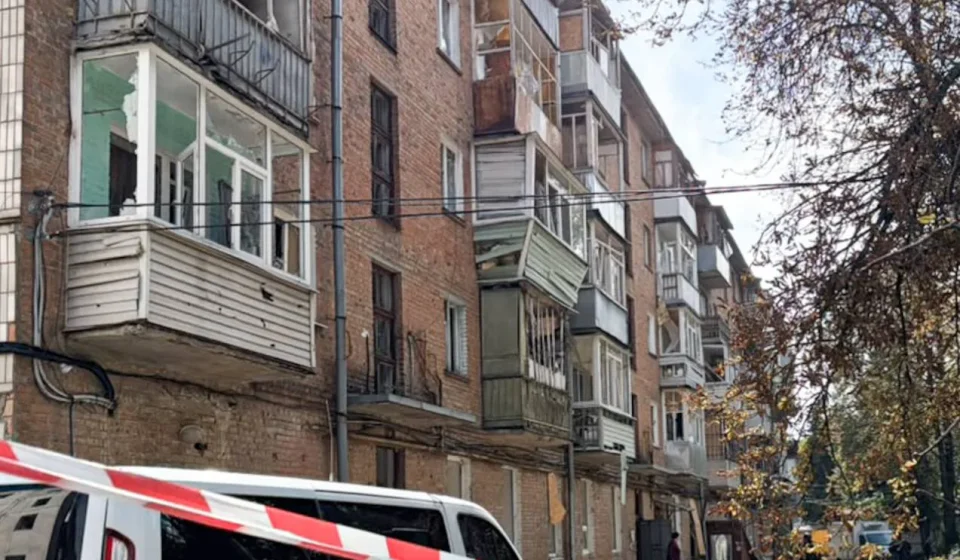
A market in Zaporizhzhia was hit during a recent Russian drone strike, and residential buildings have been damaged in the same city and in Kyiv. Officials have pointed specifically to strikes on residential homes in Kyiv, Zaporizhzhia, and the Odesa, Sumy, and Kharkiv regions.
Stalled Diplomacy
U.S.-led efforts to broker peace have been ongoing for months without a real breakthrough. Part of the holdup is that the two sides’ stated positions remain far apart — Moscow has continued to insist it wants the rest of eastern Ukraine, which isn’t something Kyiv is prepared to concede.
Quotes and Reactions
Zelensky said Russia is escalating every single day and has urged allies to impose additional sanctions on Moscow. That’s been a consistent message from Kyiv throughout the fall.
On the Russian side, U.S. officials have also weighed in. There have been public calls from Washington for Ukraine to work toward a settlement with Moscow, even as fighting continues on the ground — a sign of just how far apart the diplomatic track and the battlefield reality currently are.
Impact: Who’s Paying the Price
Civilians are bearing a growing share of the cost. The UN has repeatedly warned about rising civilian casualties as both sides increase long-range strikes on infrastructure. Millions of Ukrainians have already been displaced since the invasion began, and the approach of winter raises fresh concerns about attacks on power and heating.
On the military side, the numbers are staggering, even if they’re hard to fully verify. One think tank estimate put combined Russian and Ukrainian military casualties above two million, with Russian deaths alone estimated at up to 450,000. Zelensky himself has said Russian forces have suffered around 1.6 million total casualties since the invasion began, including roughly 700,000 killed, while Ukraine’s own losses were put at around 50,000 killed. Neither government’s figures can be independently confirmed, and estimates from different sources don’t always agree.
What Comes Next
There’s no clear sign that either side is ready to stop. Barring a real shift in the diplomatic track, the pattern looks set to continue: more long-range strikes, more civilian damage, and continued disagreement over where any peace deal would actually leave the map.
FAQs
Why did Russia attack Ukraine today?
There isn’t one single trigger behind any specific day’s strikes — it’s part of an ongoing military campaign. Russia has kept up regular attacks on Ukrainian cities and infrastructure as part of its broader war aims, and the pace has picked up noticeably since this past summer, which officials have called the deadliest period of the war since 2022.
How many Russian soldiers have been killed in the war in Ukraine?
There’s no single agreed-upon number, largely because Russia doesn’t publish official casualty figures. Estimates from Western think tanks put Russian deaths somewhere in the 400,000-to-450,000 range, while Ukrainian officials, including President Zelensky, have cited figures closer to 700,000. Independent journalist investigations have separately confirmed the identities of hundreds of thousands of individual soldiers, while acknowledging their count is almost certainly incomplete.
Why exactly did Russia attack Ukraine?
Russia’s full-scale invasion in February 2022 was driven by its stated goal of controlling Ukrainian territory, particularly in the east. That objective hasn’t changed over four years of fighting, and it’s the core reason the war has continued despite repeated rounds of diplomatic talks.