
Rs1.73 Per Unit Hike Proposed Under Fuel Adjustment for August 2026
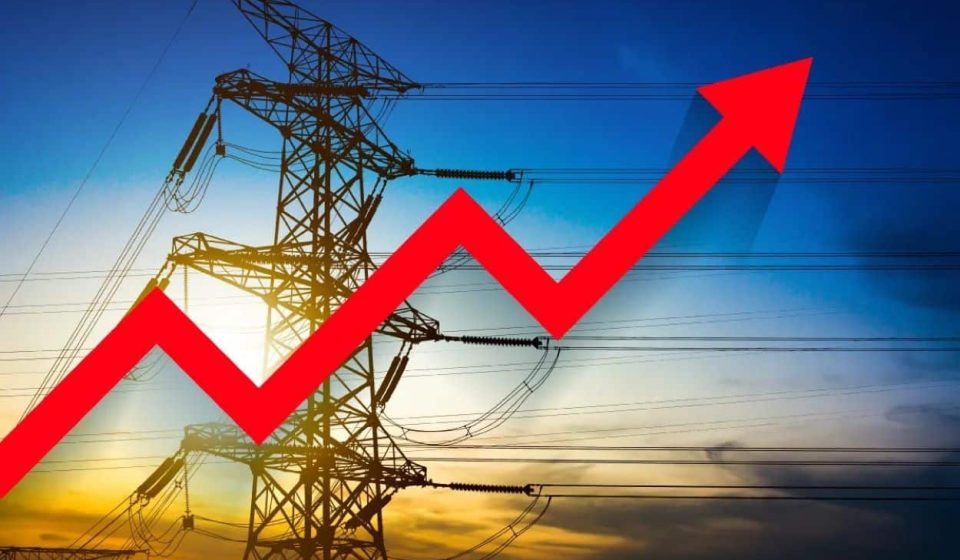
ISLAMABAD: Electricity consumers across the country, including those in K-Electric’s service areas, may face an additional financial burden of Rs29.5 billion. The burden follows a proposed increase of Rs1.73 per unit under the fuel adjustment mechanism for August 2026. If approved, the electricity tariff increase will appear in upcoming power bills and add to the pressure on household budgets. The proposal is now subject to the regulatory process.
Background: How the Fuel Adjustment Mechanism Works
Electricity prices in Pakistan are not fixed for the whole year. Besides the base tariff, consumers pay monthly adjustments that reflect the actual cost of generating power. The fuel charges adjustment (FCA) is the most common of these. It compares the fuel cost assumed in the original tariff with what power plants actually spent in a given month.
When the actual cost is higher than the reference cost, consumers are charged the difference. When it is lower, they get relief. Because of this, electricity bills can change from month to month even when the base tariff stays the same.
The National Electric Power Regulatory Authority (NEPRA) reviews these requests, holds hearings and then decides how much of the proposed amount can be passed on to consumers. Over the past few years, many Pakistani households have felt the impact of these adjustments, especially in summer, when consumption and bills are already high.
Details: What the Proposed Rs1.73 Per Unit Increase Means
The proposed adjustment of Rs1.73 per unit relates to fuel costs for August 2026. Across all consumers who would be charged, the total additional burden is estimated at Rs29.5 billion. The estimate includes consumers in K-Electric’s service areas, which means the increase would not be limited to customers of the distribution companies (DISCOs) in other parts of the country.
For an ordinary household, the impact depends on monthly consumption. A consumer using 300 units in a month would see roughly Rs519 added to the bill from this adjustment alone, before taxes and other charges. A household using 500 units would pay about Rs865 more. These figures are only a simple calculation on the proposed rate. Actual bills will also depend on applicable taxes, slab rules and any other adjustments in the same billing cycle.
It is important to remember that the figure is still a proposal. The final amount can change after the regulator’s review. In earlier cases, the approved adjustment has sometimes been lower than the amount originally requested, and consumers should wait for the official notification before assuming the exact charge.
Quotes: What Officials and Experts Are Saying
Note for the writer: to keep the article credible, add one or two verified statements here from the official source, such as NEPRA, CPPA-G, the Power Division or a named energy expert. Do not publish invented quotes. Use the format below.
“[Insert verified statement from NEPRA / Power Division / CPPA-G],” said [Name, Designation].
Energy analysts generally say that fuel adjustments are meant to recover real costs, but frequent upward changes make it hard for families and small businesses to plan their monthly expenses. Consumer groups have also often called for a review of the overall structure of power charges.
Impact: Households, Businesses and the Wider Economy
The most immediate impact will fall on households, especially middle-income and lower-income families that already spend a large share of their income on utilities. Small shops, workshops and factories may also feel the pressure, because higher electricity costs raise the price of doing business.
If input costs rise, some of that increase may be passed on to shoppers in the form of higher prices for goods and services. This can add to inflation at a time when many people are already worried about the cost of living.
The issue also fits into a wider global picture. Energy prices, fuel imports and trade policies around the world affect what Pakistan pays for power generation. In recent tariff news, developments such as Trump tariffs on global trade have kept international markets uncertain, and analysts often note that such uncertainty can influence fuel costs and import-dependent economies. However, the current fuel adjustment is mainly linked to local generation costs for August 2026.
Conclusion: What to Expect Next
The next step is for the regulator to review the proposal, hear stakeholders and decide how much, if any, of the Rs1.73 per unit increase will be approved. Once a decision is issued, the approved adjustment will be reflected in consumer bills for the relevant billing period.
Consumers are advised to check their bills carefully and keep an eye on official announcements from NEPRA and their electricity provider. Further updates on this electricity tariff increase will follow as the regulatory process moves ahead.
Frequently Asked Questions (FAQs)
Is there an electricity tariff increase?
Yes, an electricity tariff increase has been proposed. The proposal is a Rs1.73 per unit hike under the fuel adjustment mechanism for August 2026, and it could add up to Rs29.5 billion to the burden on consumers, including those in K-Electric’s service areas. However, it is not final yet. The proposal has to go through the regulator’s review process, and the approved amount may be different from what was requested. Once the decision is made, the adjustment will be added to electricity bills for the relevant month. Consumers should follow official notifications to know the exact amount that applies to them.
What is the current electricity bill tariff in Pakistan?
Electricity tariffs in Pakistan are not a single flat rate. They vary by consumer category (residential, commercial, industrial and agricultural) and, for households, by the number of units consumed. Protected consumers who use fewer units generally pay lower rates than those who use more. On top of the base rate, bills include monthly adjustments such as the fuel charges adjustment, along with taxes and other surcharges. Because these components change from time to time, the most reliable way to know the current rate is to check the tariff notified by NEPRA or the tariff details printed on your latest bill.
What is the IESCO tariff rate for 2026 in Pakistan?
The Islamabad Electric Supply Company (IESCO) serves Islamabad, Rawalpindi and surrounding districts, and it charges consumers according to the national tariff structure approved by the regulator. The exact per unit rate depends on your slab, meaning how many units you consume in a month, and on your consumer category. Monthly adjustments, including any approved fuel adjustment, are added to this rate. For the accurate 2026 rate, check the IESCO website, your latest electricity bill or the official tariff notification. The proposed Rs1.73 per unit adjustment, if approved, would apply on top of the regular rate.