Barrick Mining Shows Strong Interest in Mineral Processing Industries in Karachi and Gwadar

A delegation from Barrick Mining Corporation expressed strong interest in investing in mineral processing industries in Karachi and Gwadar. The interest was voiced during a meeting with Prime Minister Shehbaz Sharif, according to an official statement. The talks also covered policy, regulatory and infrastructure frameworks for the mineral sector in Pakistan. dawn
The development adds a new dimension to the Reko Diq project. Until now, the focus has been on mining copper and gold in Balochistan. Processing minerals inside the country would be a major shift in how Pakistan earns from its natural resources.
Background
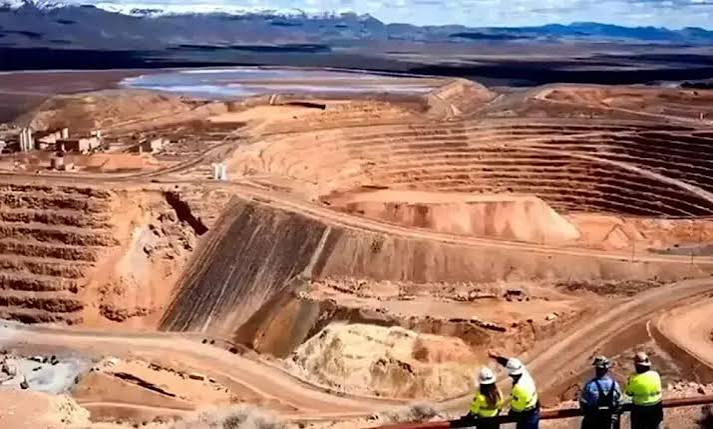
Barrick Mining is a Canadian miner and the lead operator of the Reko Diq project in Chagai district, Balochistan. The company returned to Pakistan in 2022 after a years long legal dispute was settled, and the mine has since become a flagship investment for the country. The project is among the largest undeveloped copper and gold deposits in the world. dawn
The project is described as a $7 billion venture expected to begin production by the end of 2028. Over the life of the mine, it is expected to yield 13.1 million tonnes of copper and 17.9 million ounces of gold. These figures explain why both Islamabad and the company treat the project as a long term anchor. dawn
Barrick has shown interest in Gwadar before. In 2022, a company team led by the Reko Diq project director visited the port city and met the Gwadar Port Authority chairman. At that time, the discussion centred on shipping minerals and investing in local development. Friday’s statement goes further by pointing to processing industries.
Details of the Meeting
The delegation was led by Barrick Chairman John Thornton, according to a Prime Minister’s Office release carried by the Associated Press of Pakistan. The prime minister welcomed the company’s participation in the Pakistan Minerals Investment Forum and described Reko Diq as a major milestone for investment in the mineral sector. He also called it a project of strategic importance for the country’s economic future. app
The delegation appreciated the government’s decision to organise the investment forum. It described the event as an important step toward advancing mineral development in Pakistan. The two sides then discussed what policy and infrastructure conditions would be needed to attract more capital.
The prime minister also expressed a desire to draw on Barrick’s expertise and experience to develop the mineral sector beyond Reko Diq. This suggests Islamabad wants the company’s role to grow past a single mine. It also signals that the government is looking for technical partners, not only financiers. dawn
Why Karachi and Gwadar
Karachi is the country’s busiest commercial hub and already handles the movement of Reko Diq related cargo. The project requires a railway line upgrade to transport copper concentrate to Karachi for processing abroad. A processing facility in Karachi could reduce the need to send concentrate overseas. dawn
Gwadar offers a deep sea port and a free zone, which makes it attractive for industrial investment. Pakistani authorities have repeatedly promoted the port as a regional transshipment centre. Processing industries there could, in theory, link mineral output from Balochistan with international buyers through a shorter route.
Statements from Officials
The prime minister said Pakistan was rich in natural resources and committed to putting them to use. As reported by Dawn, he said the success of Reko Diq would “set a benchmark for future mineral investment” in the country. He added that the government was working to create a favourable environment through trade, investment, infrastructure and modern technology. dawn
The prime minister also stressed that Balochistan’s resources must benefit the province. According to the official release, he said effective use of its natural wealth was essential for development and public prosperity. This point matters because local benefit remains a sensitive issue in the region.
Impact and Analysis
For Pakistan, processing minerals at home could raise the value of exports considerably. Raw ore and concentrate earn far less than refined metals. Pakistan’s mineral sector currently contributes about 3 percent of GDP, while experts say vast resources remain untapped. Local processing could help close part of that gap. pakistantoday
The move could also create jobs and support industrial growth in two coastal cities. Construction, logistics, power and skilled technical roles usually follow large processing plants. However, these benefits depend on reliable energy, water supply and transport links, which still need investment.
Challenges remain. Balochistan suffers frequent attacks by separatists, which makes security a major concern for the mine. Investors will also watch regulatory stability and the pace of infrastructure upgrades. Interest expressed in a meeting is not the same as a signed agreement or a final investment decision. arabnews
Regionally, the story fits a wider pattern. Other foreign firms have also explored refining and processing in Pakistan, including plans linked to Karachi and Gwadar. If several projects move ahead, the country could position itself as a mineral processing and export base. For more business coverage from the region, readers can follow the economy reports on South Asian Chronicle.
Conclusion and What Comes Next
Barrick Mining’s interest in processing industries marks a possible next stage for Pakistan’s mineral ambitions. No investment figure, timeline or site has been announced. Any plan will likely require feasibility studies, government approvals and agreements on power, land and logistics.
The coming months will show whether the interest turns into a formal proposal. Observers will watch for follow up talks, announcements from the Pakistan Minerals Investment Forum and progress on the Reko Diq schedule. Readers can find more updates on Pakistan’s mineral sector and wider South Asian business news on South Asian Chronicle.
Frequently Asked Questions
What did Barrick Mining announce about Karachi and Gwadar?
Barrick Mining did not announce a project or an investment amount. Its delegation expressed strong interest in setting up mineral processing industries in Karachi and Gwadar during a meeting with the prime minister. This is an expression of interest, and any formal plan would need further study and government approval.
Who led the Barrick Mining delegation?
According to the Prime Minister’s Office release, the delegation was led by Barrick Chairman John Thornton. The group took part in the Pakistan Minerals Investment Forum and held talks on policy, regulatory and infrastructure needs for the mineral sector.
Why does mineral processing matter for Pakistan?
Processing adds value before minerals are exported. Refined or semi refined products usually earn more than raw ore or concentrate. It can also create skilled jobs, build industrial capacity and keep more of the economic benefit inside the country, especially for Balochistan.
How is this linked to the Reko Diq project?
Reko Diq is the large copper and gold project in Balochistan operated by Barrick. The prime minister said its success would set a benchmark for future mineral investment. Processing industries in Karachi and Gwadar could eventually handle part of the material that the mine produces.
What risks could slow this plan?
Security in Balochistan, infrastructure gaps and regulatory clarity are the main concerns. Railway upgrades, power supply and water availability also matter for processing plants. Investors usually wait for stable policy and secure conditions before committing large sums.
When could any processing facility be built?
No timeline has been given. The Reko Diq project is expected to begin production by the end of 2028, so any processing plan would likely be discussed around that schedule. Official announcements will be needed before any date can be confirmed.