
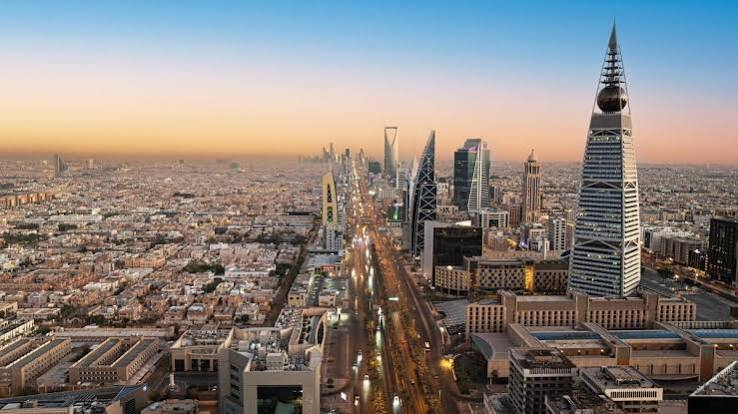
Saudi Arabia Building Permits Reach 80,775 in Nine Months as Construction Boom Gathers Pace

Saudi Arabia building permits have crossed a major milestone this year. The Ministry of Municipalities and Housing issued 80,775 building permits across the Kingdom in the first nine months of 2026, according to reports published on November 15. The figure highlights the speed of urban development in Saudi Arabia and the strength of the wider Saudi construction industry.
Summary
The Ministry of Municipalities and Housing granted 80,775 permits between January and September 2026. Officials link the steady flow of approvals to administrative reforms and the wider use of digital services through the Balady platform. The number of Saudi Arabia building permits is also seen as a key signal for the health of the Saudi real estate market and the goals of Saudi Vision 2030.
Background: Why Saudi Arabia Building Permits Matter
Building permits are one of the most reliable early indicators of construction activity. A permit is usually issued before ground is broken, so a rising count suggests that new housing, offices, shops and public buildings are on the way. For this reason, analysts follow Saudi Arabia building permits closely when they study the Saudi construction industry.
The Kingdom has spent several years modernising its cities under Saudi Vision 2030. The programme aims to expand housing supply, improve public services and attract private investment. The Ministry of Municipalities and Housing has been central to this effort, because it regulates licensing and oversees municipal services in every region.
Earlier official data shows the same direction. The ministry reported more than 34,000 building permits for the first half of 2026. It said residential permits formed the largest share, at over 28,000, while commercial permits passed 5,000 and government building permits passed 1,000. For the full year of 2025, the ministry reported more than 78,000 building permits as part of over 574,000 municipal licences.
Details: What the Latest Figures Show
The new total of 80,775 permits covers every region of the Kingdom and a wide range of projects. Reports say the permits cover residential, commercial and industrial buildings. This mix matters because it shows that growth is not limited to one segment of the Saudi real estate market.
Officials credit recent reforms for making the process faster. These reforms simplify procedures, cut paperwork and move more services online. The Balady platform is now the main digital gateway for municipal licensing, commercial licence renewal and related services, which helps applicants and engineering offices handle approvals with fewer visits to government offices.
The ministry has also stressed that speed should not weaken standards. Digital portals are designed to keep strict checks on architectural quality, safety and environmental rules. The Saudi Building Code remains the reference for compliance, and the ministry has pushed for occupancy certificates so that finished buildings are safe and ready for use. It reported more than 38,000 occupancy certificates in the first half of 2026.
Readers should note that figures can differ between reports because of reporting periods and counting methods. Anyone using the numbers for research should check them against the ministry’s own releases and the Saudi Press Agency.
Quotes and Official Position
No new direct statement from a named official accompanied the nine month figure in the reports reviewed. The ministry’s earlier releases, however, set out its position clearly. It has said the permit drive supports the regulation of construction activity, the simplification of procedures and the pace of urban development in cities and governorates, in line with Saudi Vision 2030.
Minister of Municipalities and Housing Majid Al-Haqil has also said previously that the growth in building permits in Riyadh is paving the way for a larger supply of real estate. He has pointed to the stability of the Saudi real estate market and to plans to expand real estate finance portfolios by 2030, as reported by Saudi property media.
Impact: What It Means for Saudi Arabia and the Region
The impact of rising Saudi Arabia building permits can be seen in several areas. A steady pipeline of approvals supports jobs in engineering, architecture, contracting and building materials. It also helps housing supply keep pace with a growing population, which is a priority for the government.
For investors, the figure sends a signal about confidence in the Saudi construction industry. Private developers tend to respond to faster approvals by launching more projects, and this can lift activity in related sectors such as cement, steel, logistics and real estate finance. Regional contractors and professionals, including many from South Asia, also follow these trends closely because the Kingdom remains a major market for construction skills. For more on Gulf economic developments, readers can visit the business coverage on South Asian Chronicle.
There are cautions as well. Earlier in 2026, monthly permit numbers dipped before recovering, which shows that activity can move from month to month. Analysts will watch whether the pace holds through the final quarter. Broader regional tensions may also affect investor sentiment, so the outlook depends on both domestic reforms and wider conditions. Readers can follow related updates in the international news section of South Asian Chronicle.
Conclusion: What to Expect Next
The record of 80,775 permits places Saudi Arabia building permits firmly in focus for the rest of 2026. If the pace continues, the Kingdom may close the year with another strong result for the Saudi construction industry. The ministry is expected to keep expanding digital services through the Balady platform and to tighten compliance checks.
For residents, the trend could mean more housing options and better urban services over time. For investors and contractors, it signals that urban development in Saudi Arabia remains an active field. Further data from the ministry and the Saudi Press Agency will show whether the momentum carries into 2027. For ongoing coverage, follow the latest reports on South Asian Chronicle.
Frequently Asked Questions
How many building permits did Saudi Arabia issue in nine months?
The Ministry of Municipalities and Housing issued 80,775 building permits across the Kingdom in the first nine months of 2026. The permits cover residential, commercial and industrial projects in many regions. This makes Saudi Arabia building permits one of the most closely watched indicators of the country’s construction activity this year.
Which ministry issues building permits in Saudi Arabia?
Building permits are issued through the Ministry of Municipalities and Housing and the municipalities that operate under it. The ministry sets the licensing rules, updates technical guides and monitors compliance with the Saudi Building Code. Applicants usually submit and track requests through the Balady platform, which brings many municipal services into one digital system.
Why are Saudi Arabia building permits important for the economy?
Permits show how many new construction projects are about to begin. A higher number usually points to more housing, more commercial space and more work for engineers, architects and contractors. For this reason, the figure is used to judge the strength of the Saudi construction industry and the Saudi real estate market, and it feeds into wider economic assessments.
How does the Balady platform help with building permits?
The Balady platform allows applicants to handle many municipal procedures online, including licensing and renewals. This reduces paperwork, shortens processing time and improves tracking. Officials say digital services are a main reason the ministry can process a high volume of requests while keeping safety, architectural and environmental standards in place.
How does this connect to Saudi Vision 2030?
Saudi Vision 2030 aims to modernise cities, expand housing supply and attract private investment. A strong flow of building permits supports each of these goals, because it allows new homes, offices and public facilities to be built on schedule. The ministry has repeatedly linked its permit figures to the programme’s urban development targets.